When a Scoop Tries to Replace a Landscape

When a Scoop Tries to Replace a Landscape
A certain sound has begun to unsettle me: the hollow clatter of powdered additives against a plastic pail. Not because supplementation is inherently misguided, but because of what it subtly suggests—that a horse's requirements can be distilled into a tidy inventory, portioned out, and administered by the clock, as though the body simply awaits the correct dose.
We do this to ourselves as well, don't we? We reduce our own complexity to checklists and quick fixes, forgetting that we, too, are creatures shaped by rhythm, place, and time.
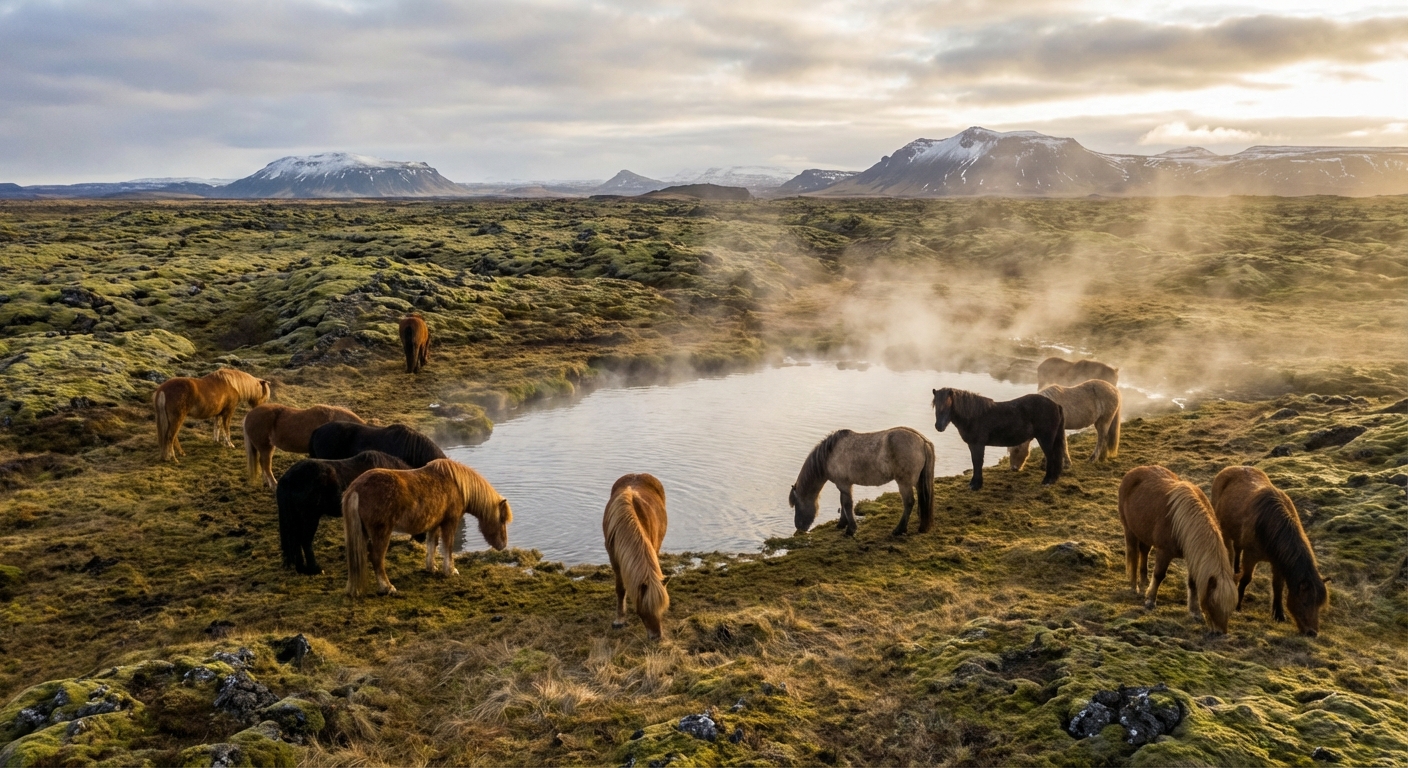
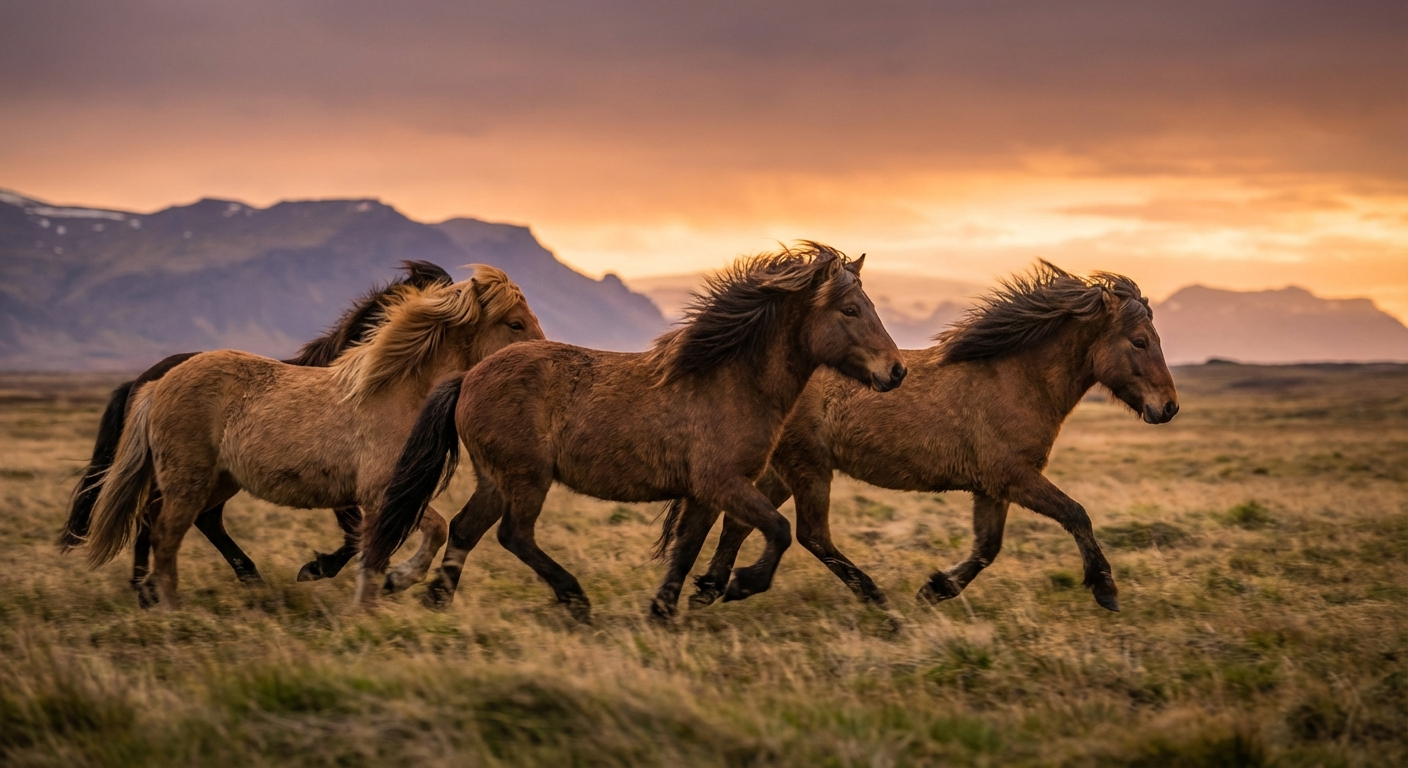
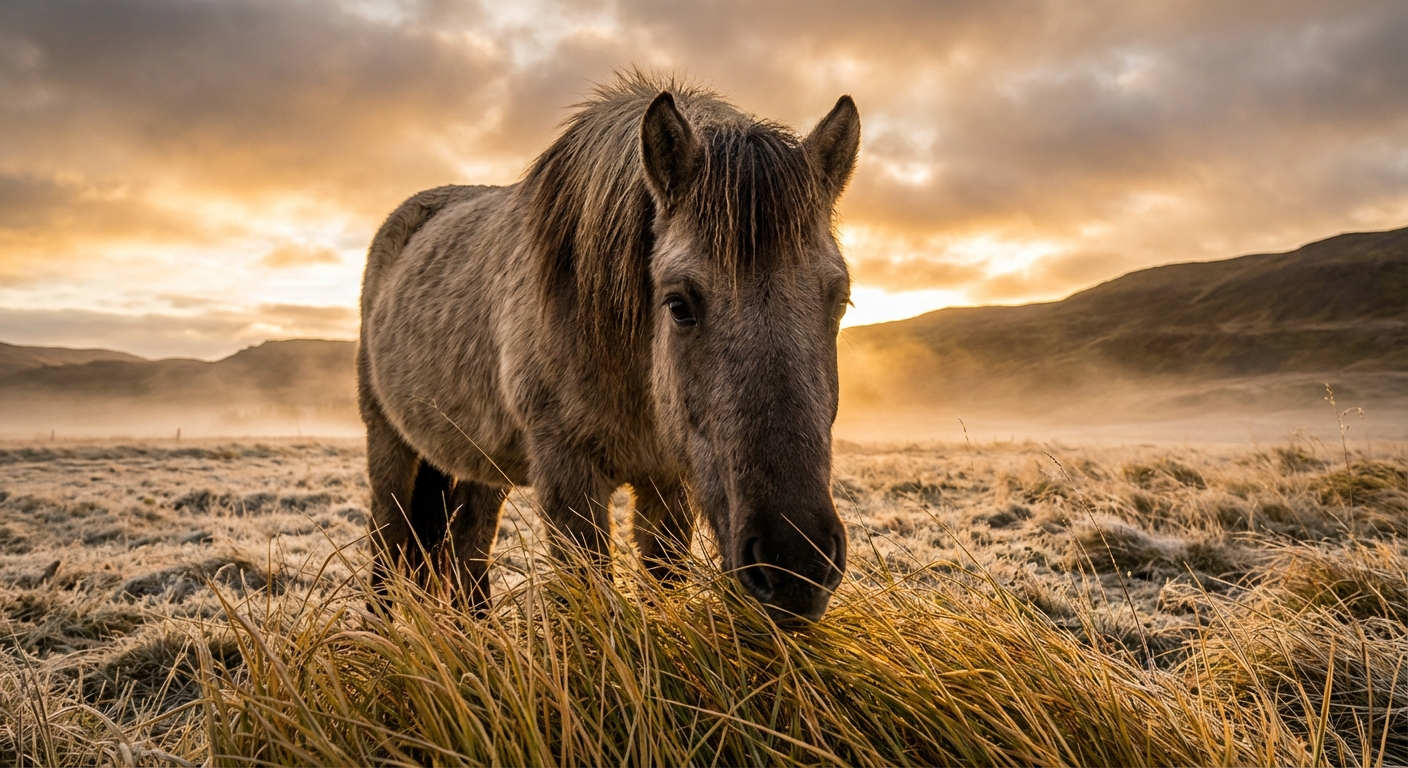
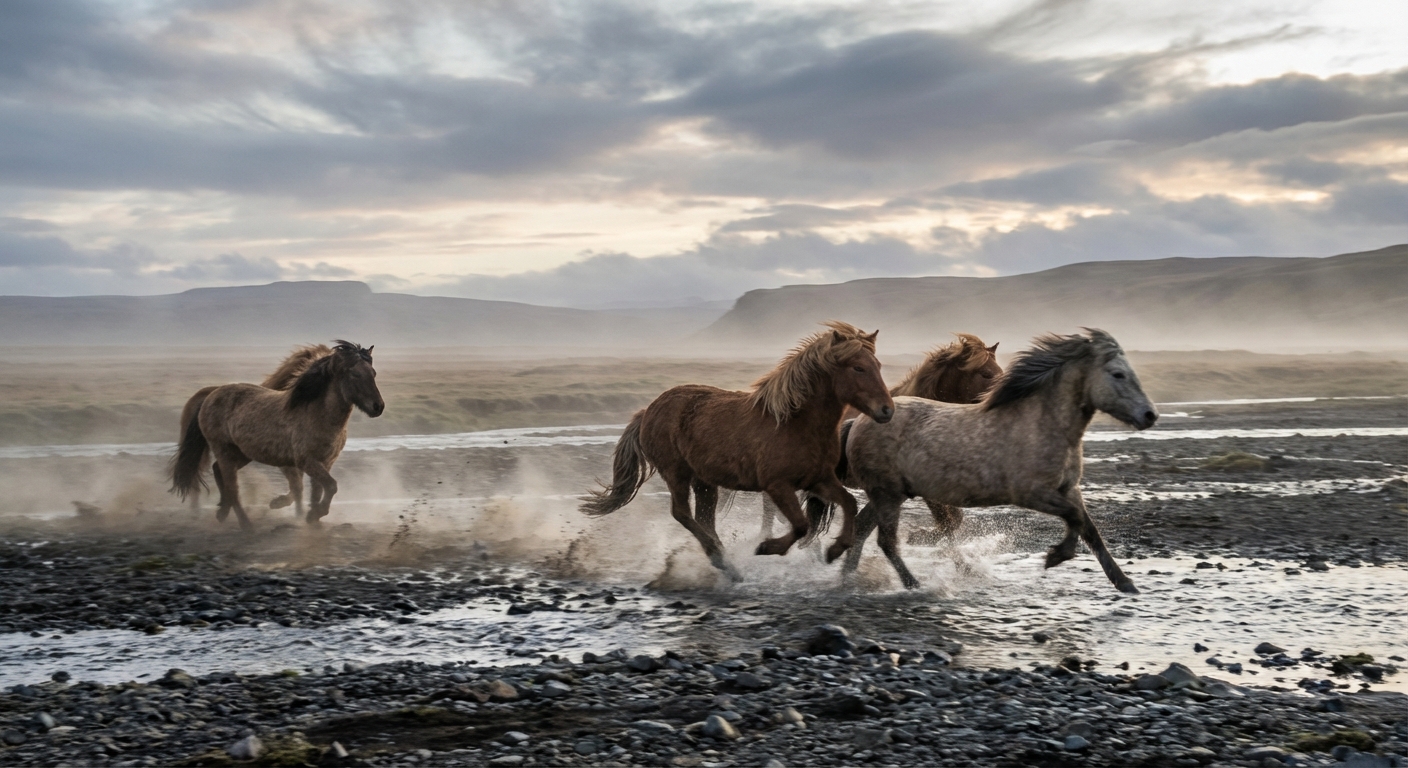
Within a habitat that genuinely permits a horse to exist as a horse, "nutrition" bears no resemblance to an ingredient panel. It manifests as time itself. It appears as perpetual grazing that prevents the gut from sitting vacant and inflamed. It reveals itself in miles of leisurely wandering woven throughout the hours—not as structured exercise, but as the foundation upon which digestion, hoof health, and temperament naturally rest. It emerges in a horse selecting where to place their nose next, moment after moment, free from human dictates about when feeding begins or ends.
Perhaps our own well-being, too, depends less on optimization and more on the quiet accumulation of unhurried hours—on having the freedom to follow our own instincts about what we need and when.
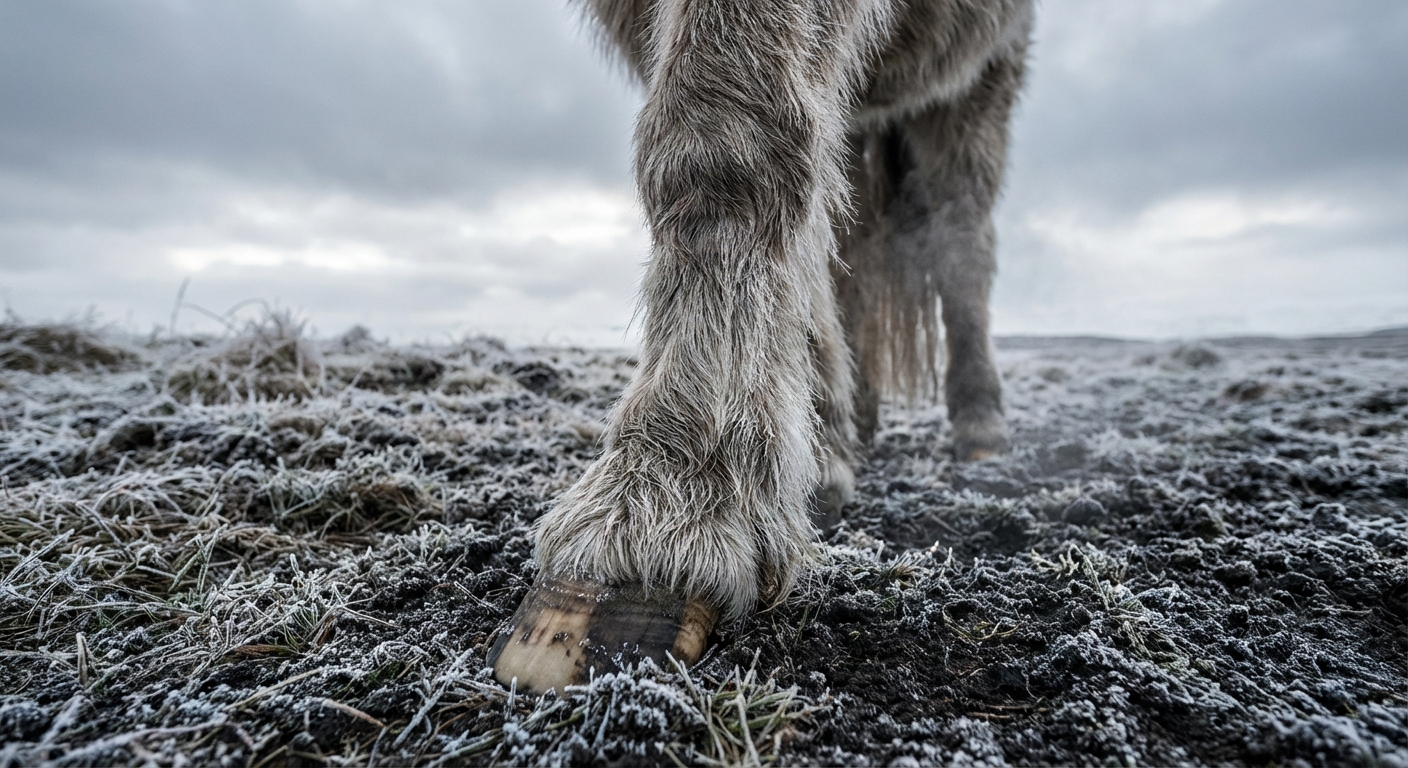
Then there are the decisions we fail to perceive as decisions at all. A horse coating itself in mud not for spectacle, but for the relief of its skin. A horse seeking out what the terrain provides, not from intellectual study, but because its senses are calibrated for precisely this purpose. The earth becomes simultaneously cupboard, apothecary, and climate control.
How often do we dismiss our own body's quiet wisdom—the urge to rest, to move, to seek sun or shade—as inconvenience rather than intelligence?
When we substitute all of this with a sealed arrangement—constricted acreage, monotonous feed, rigid schedules—supplements begin to serve as buttressing for an existence forbidden from sustaining itself. We may believe ourselves attentive, even devoted, while overlooking the larger exchange: we have contracted the world, then attempted to atone with a container.
It is a pattern we might recognize in our own lives—the way we shrink our environments, then wonder why no pill or program quite restores what we've lost.
Coexistence, as I understand it, is the continual choice to allow the surroundings to shoulder more of the weight. Not from a refusal of assistance, but from remembering what a horse is built to accomplish when offered genuine possibility: to wander, to graze selectively, to decide, to regulate itself, and to find peace.
This, perhaps, is the deeper invitation—to trust that living systems, equine or human, know something about thriving that our interventions cannot fully replicate.
And I find myself returning, again and again, to a hushed reflection: if the land itself is the primordial supplement, what unfolds when we begin by restoring that first.
Equine Notion
https://equinenotion.com/