When a Whinny Feels Like a Name: Listening for Individuality Without Making a Story
Hook
What if the most honorable approach to "understanding" a horse is not to categorize them, but to acknowledge them?
Not by their function. Not by a pecking order diagram. Not even by a descriptor such as "alpha" or "boss."
Sometimes it begins with a vocalization—something we might describe as a whinny—but what truly reveals who is who is everything surrounding that sound: who responds, who draws nearer, who remains at rest, who subtly adjusts their position and allows another to go by.
This is a free-living way of understanding. Coexistence, not conditioning.
Identity is revealed in choices, not in roles
Within a herd, individuality emerges through consistent preferences.
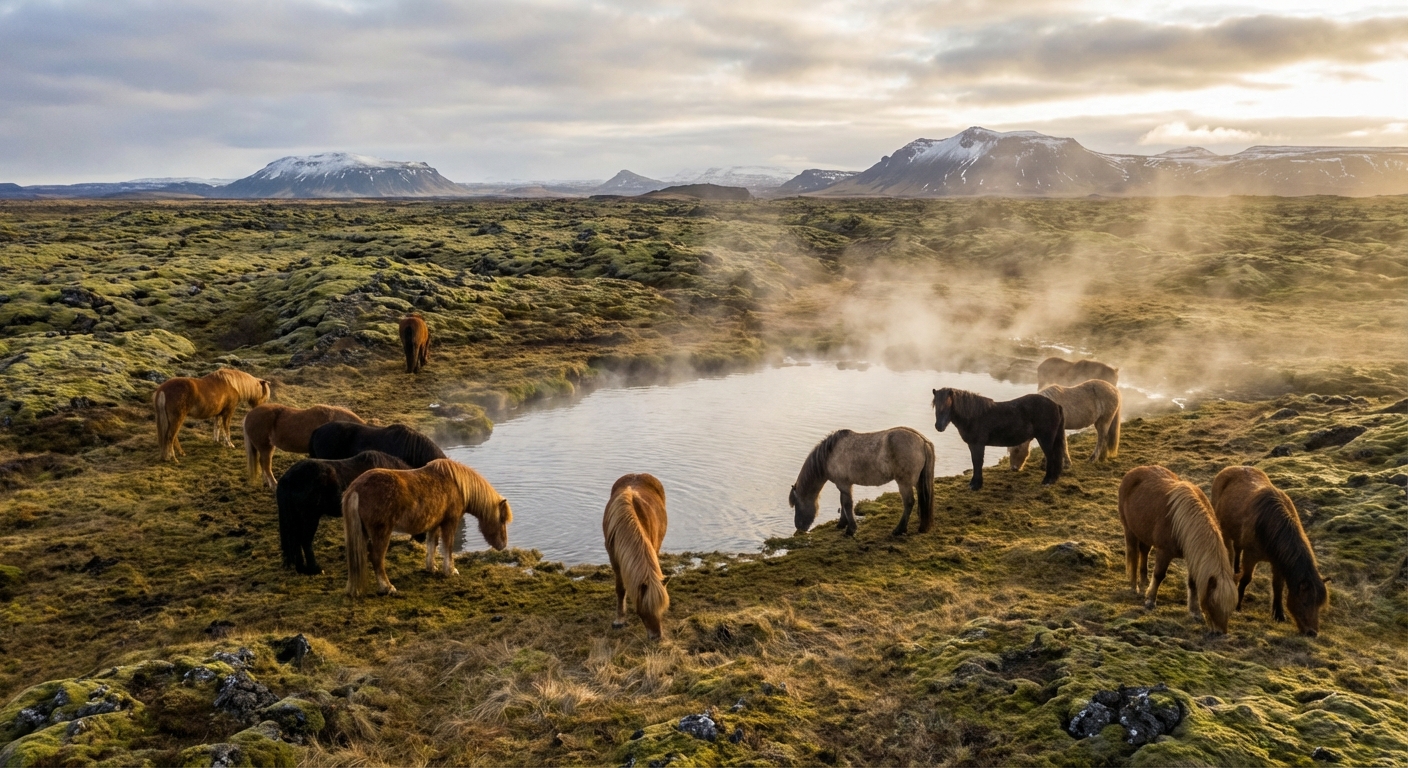
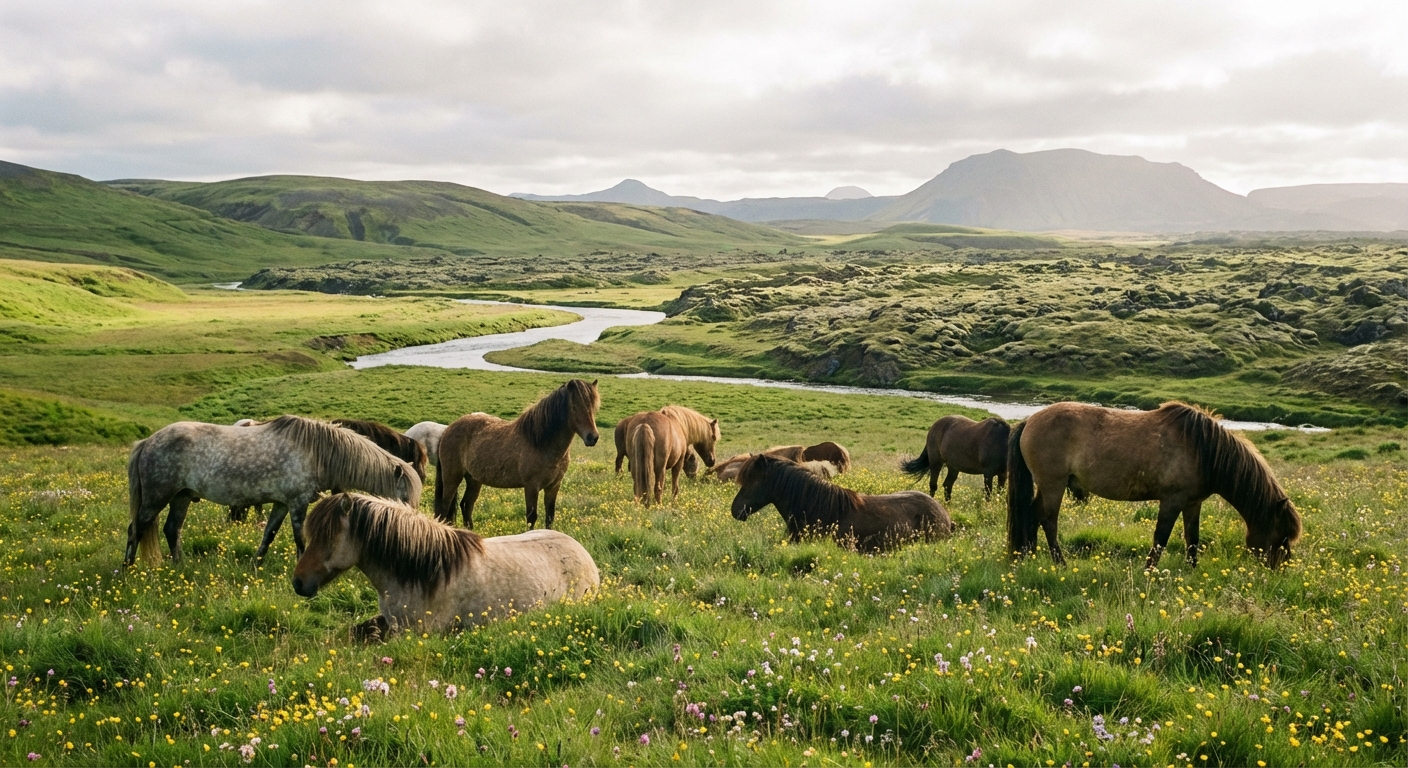
One horse continually selects the same companion when resting time arrives. Another habitually places themselves at the group's periphery. Another floats between pairs, not creating conflict, merely traveling as though touching base.
If you wish to understand "who" a horse truly is, begin with what they select when no one demands anything from them.
Observe who positions near whom, again and again. Pay attention to who trails peacefully without coercion. Pay attention to who shares quietude.
These aren't acts. They're the horse's personal choices.
Listening without deciding what it "means"
A vocal expression can lure us into immediate analysis: "That one is summoning their closest companion," or "That one is in charge," or "That one is nervous."
But coexistence requires something more patient.
Rather than attaching a fixed interpretation to a sound, you can use it as a marker. Something occurred here—now survey the scene.
What shifts immediately afterward?
- Does a particular horse raise their head and direct their body toward the vocalizer?
- Does anyone move away, or do they keep grazing as though nothing noteworthy happened?
- Does the herd compress, disperse, or remain precisely where it was?
Put differently: allow the sound to redirect you toward observable actions. That's where identity becomes evident without imposing a storyline.
The herd already settles most things quietly
Many individuals assume herd dynamics are governed by clear-cut conflict.
Yet most of what enables horses to cohabitate occurs through subtle exchanges: an ear rotation, a head movement, a minor adjustment of body position, a step backward that averts escalation.
This is where individuality becomes undeniable.
Some horses are reliable "gentle yielders" who handle proximity by giving way early. Some maintain their position peacefully while others navigate around them. Some are accommodating at communal resources, permitting another to approach hay or water without incident. Others favor additional space and signal that preference promptly—still without escalating to confrontation.
If you're seeking identity, seek these patterns of self-control and allowance. They reveal far more than any oversimplified "alpha" narrative ever could.
Food choices can make personalities easier to see
Coexistence is additionally influenced by the surroundings we create.
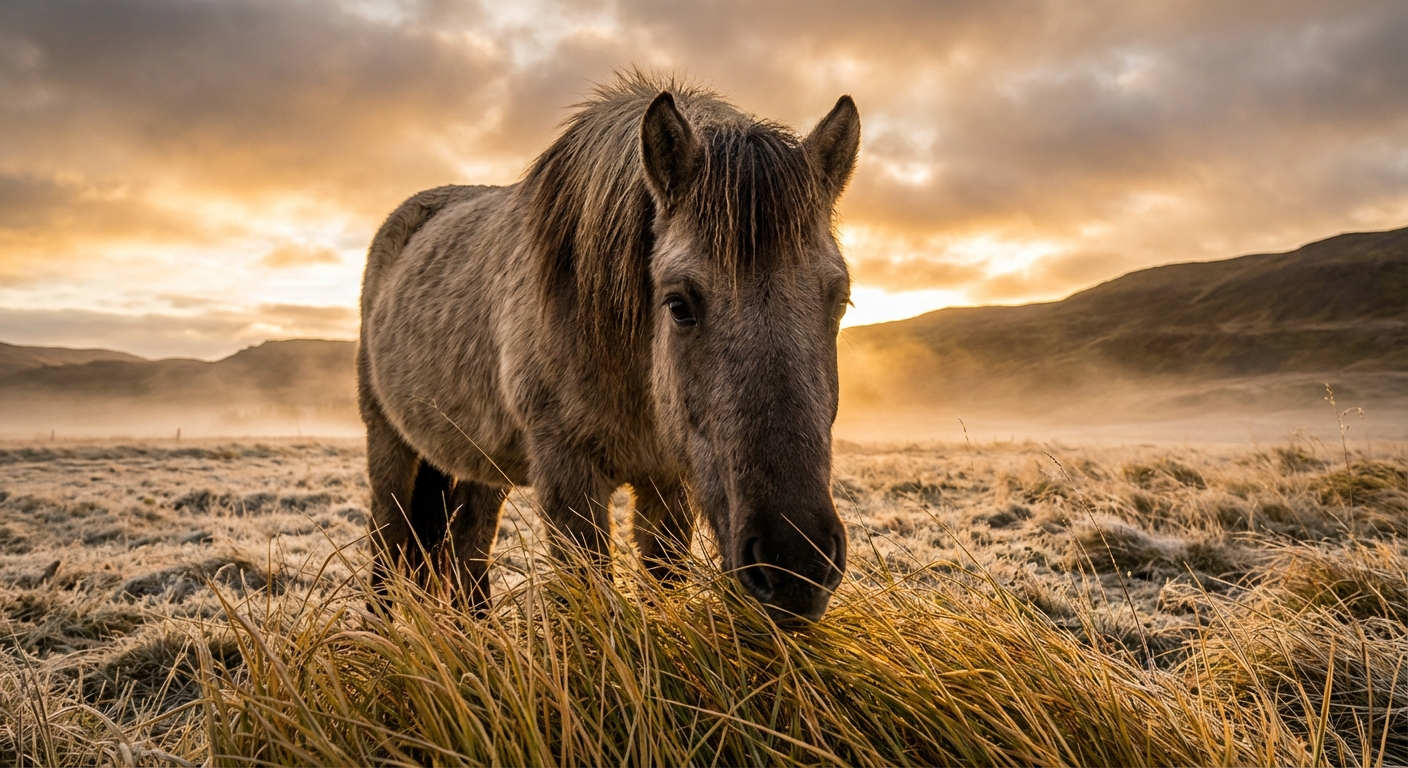
When feeding revolves around scheduled times and a single standardized option, horses have limited opportunities to demonstrate natural preferences and independent foraging. When the environment encourages more instinctive grazing patterns—availability of varied hay types and native plants—horses can select based on intuition.
And that's yet another subtle manner in which individuality manifests.
Not because we can profess to understand precisely what each selection "remedies" or "addresses," but because preference alone is meaningful data. One horse dwells at a particular hay variety. Another tastes and continues onward. Another comes back later and consumes differently following rest.
By allowing space for selection, you generate additional opportunities where each horse expresses their unique manner of existing.
Coexisting means refusing the easy labels
People frequently attempt to reduce a herd to basic archetypes: the leader, the subordinate, the worried one, the agitator.
But in actual existence, position fluctuates with circumstances. Who defers to whom can hinge on the particular resource, the particular individual, and the precise instant.
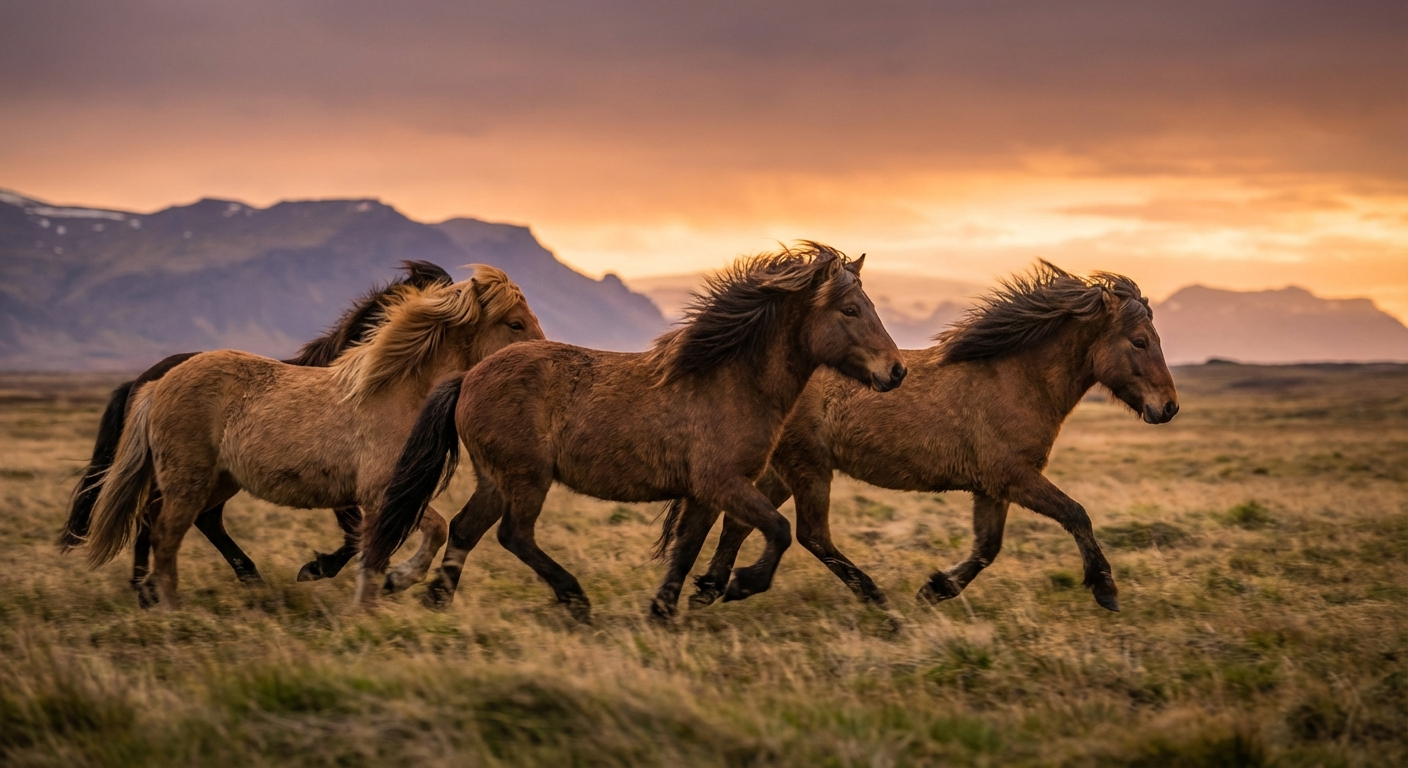
The same applies to locomotion choices. One horse might trigger a collective movement in one scenario; another might be the one others gravitate toward in a separate scenario.
If you're concentrating on "voice recognition" in a comprehensive sense—identifying who is who—this is significant. Because identity within a herd isn't a singular characteristic. It's interconnected. It varies based on who is around and what matters.
So rather than attempting to link each vocalization to a permanent social position, allow the herd to demonstrate connection-by-connection who reacts to whom, who advances, who pauses, and who continues grazing.
A simple, respectful way to practice recognition
You don't require a structured program to improve at identifying individuals.
You require peaceful moments, and awareness that remains centered.
- Dedicate several minutes to observing without approaching them.
- Notice recurring partnerships during rest periods.
- Notice reciprocal grooming when it occurs, and who starts it.
- Notice who can move nearby at hay or water without friction.
- Notice the subtle cues that forestall escalation: ear positioning, head rotations, body orientations, a solitary step that transforms everything.
If a whinny-type call occurs, don't pursue it. Allow it to settle, then watch what unfolds.
Eventually, you may discover that what you term "recognizing a voice" is actually recognizing an entire individual—through their preferences, their forbearance, and the manner in which others reliably respond to them with proximity, separation, or peaceful disregard.
Equine Notion
https://equinenotion.com/