When an Algorithm Watches the Ears: Mood Labels vs the Horse’s Actual Day

When an Algorithm Watches the Ears: Mood Labels vs the Horse's Actual Day
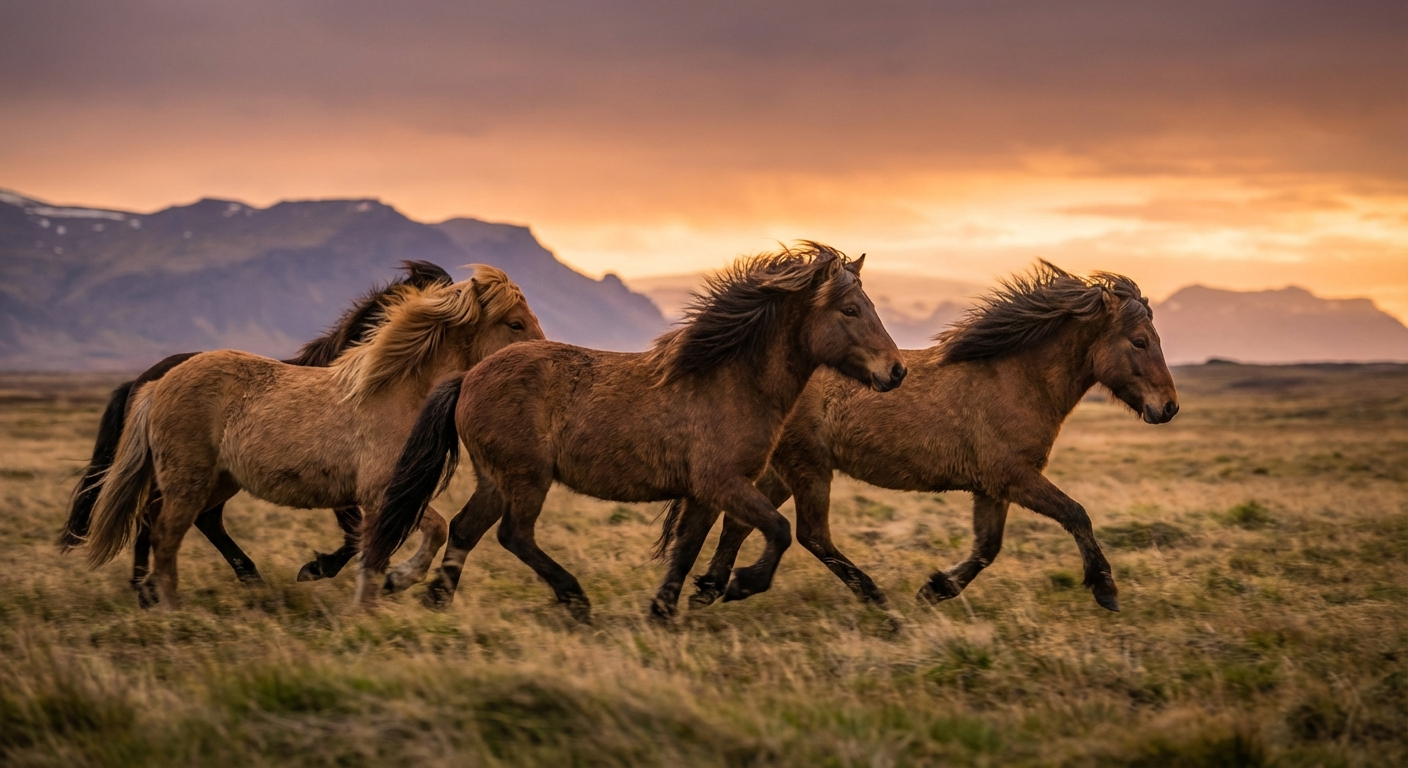
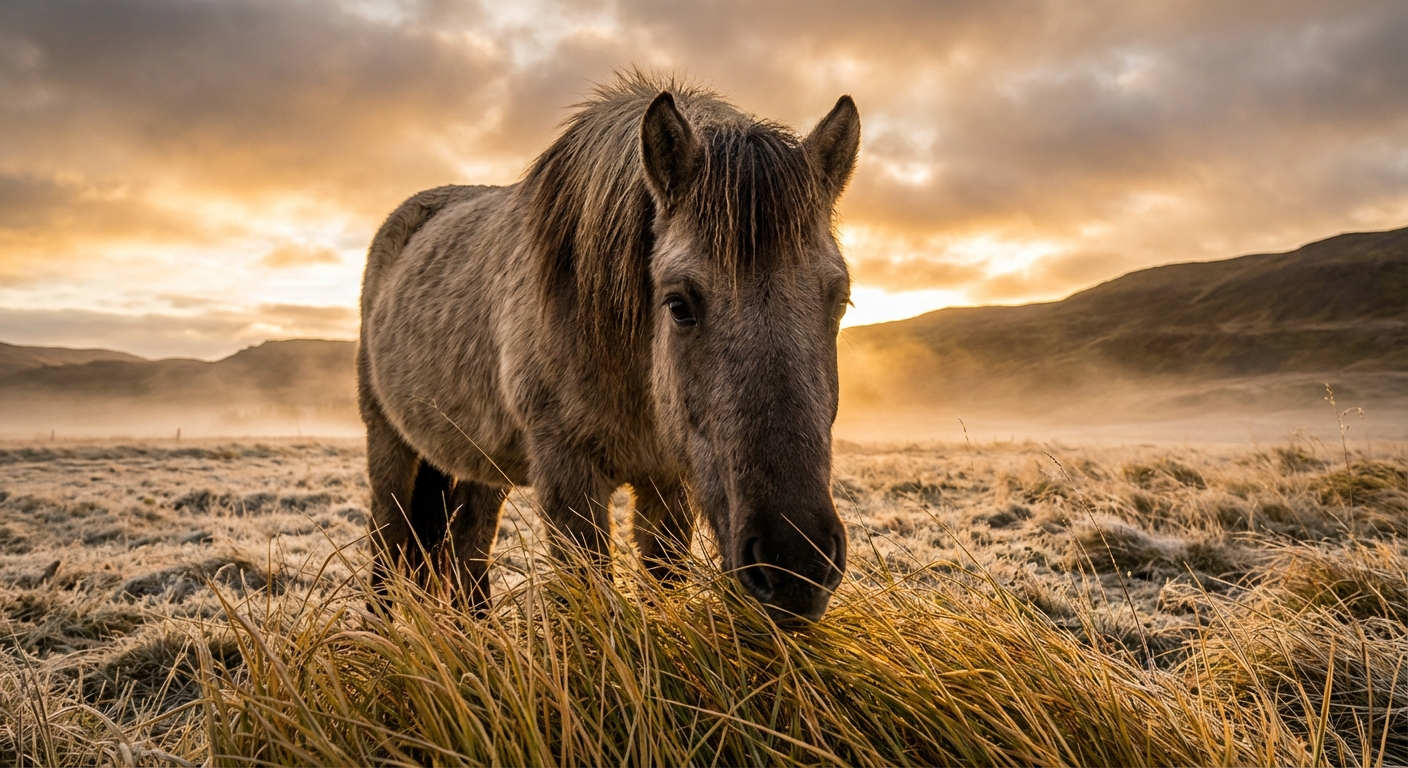
I observed them from the pasture's perimeter, phone lowered discreetly, conscious that even my gaze might register as weight upon them. The herd moved as herds do—meandering, stilling, expanding outward, drawing close once more. Their ears rotated ceaselessly, small sentinels testing the air. There was something almost comforting in the fantasy that a lens might decode those subtle pivots into tidy categories: relaxed, alert, inquisitive, irritated.
We do this too, don't we? We long to be read accurately, yet fear being reduced to a single gesture, a passing expression mistaken for the whole of who we are.
On the glowing rectangle later, that fantasy hardens into certainty. One can nearly sense the human yearning behind it: if we can interpret the auricular muscles, we can decipher the emotional state. If we can decipher the state, we can control the animal.
Yet the more years I spend alongside these creatures, the clearer it becomes how readily we mistake a sliver for the entirety. An ear position divorced from the day's context is akin to assessing a meadow by examining a single stem. A horse may wear one face while the body navigates an entirely different negotiation—proximity politics, yielding at the feeding station, the choice to accompany or the choice to remain still. These are not permanent identities etched into features; they shift with the resource at stake, with the instant, with the accumulated history between two living forms.
How often we do the same—assuming we understand someone from a snapshot, forgetting the invisible architecture of their day, their relationships, their unspoken negotiations.
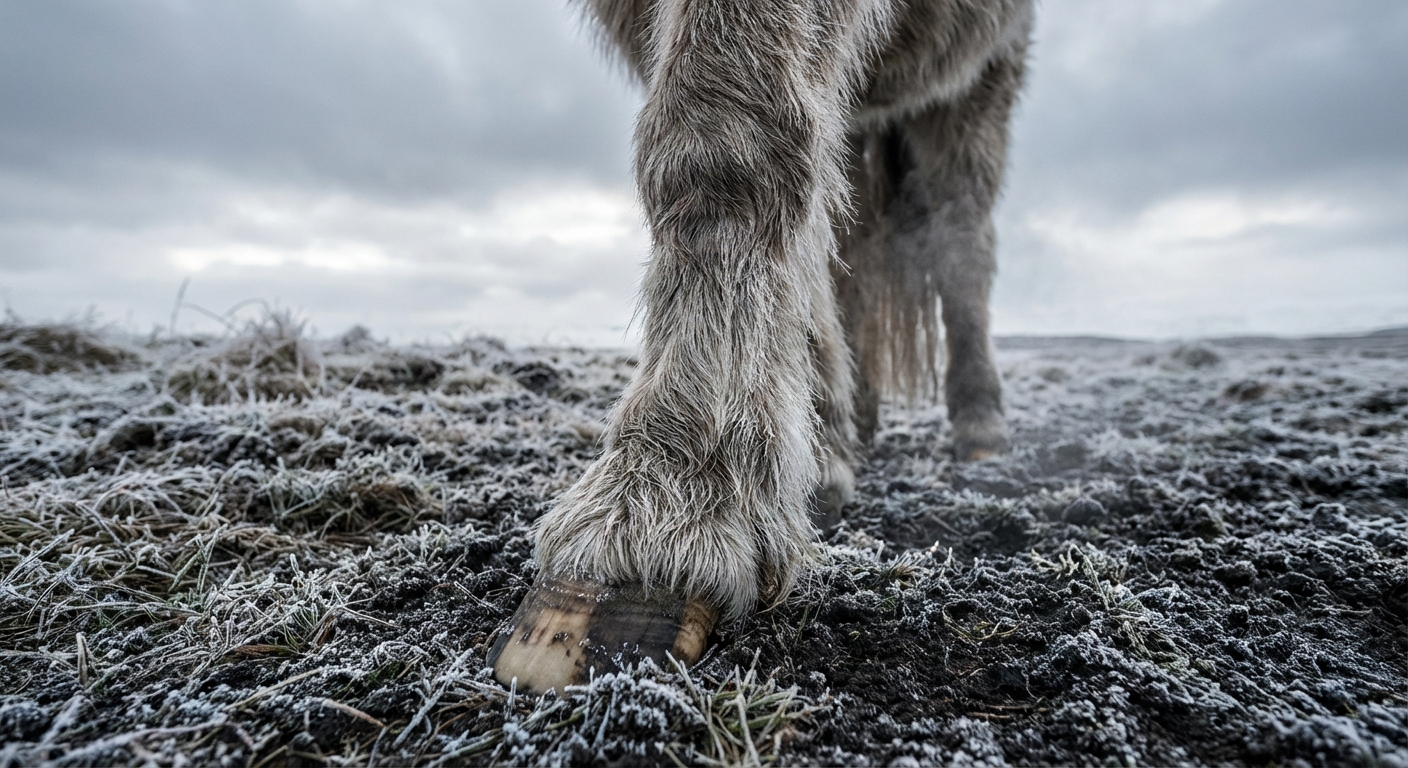
And the "emotional state" we seek to identify is frequently one we ourselves have manufactured by disrupting the fundamentals. When grazing ceases, the stomach—indifferent to schedules—continues its acid production regardless. When locomotion is compressed, a frame engineered for sustained, unremarkable travel finds no outlet for its inherent drive to roam. When social bonds are splintered, we may achieve an orderly enclosure alongside a disordered psyche. What we name a behavioral problem is often merely the surroundings voicing what the horse cannot articulate.
Perhaps our own restlessness, our anxieties and unnamed frustrations, are similarly the environment speaking through us—the unmet needs we've learned to silence rather than address.
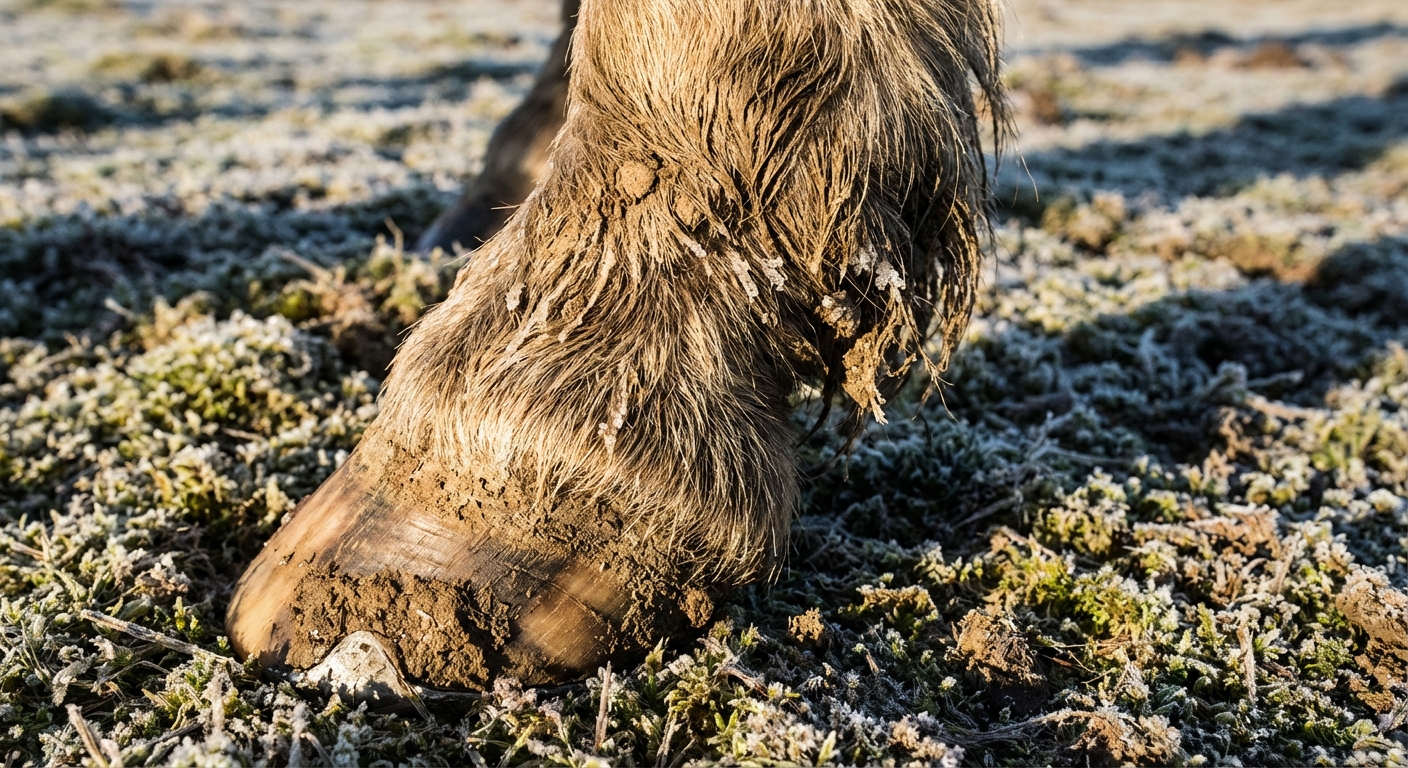
When an artificial intelligence marks a horse as "distressed" due to restless ears, how does it account for the enforced delay before feeding? Or the recent reorganization of companions? Or the altered terrain beneath hooves that now demands deliberate placement? Such truths do not reside in the ear. They reside in the stewardship.
The ears remain valuable to me—exquisite, even—as one element within the larger portrait. But living alongside them keeps returning me to a more demanding, more compassionate inquiry: not "what feeling is this," but "what circumstances have we constructed that compel a horse to signal so urgently?"
It is a question worth turning on ourselves: not what is wrong with us, but what conditions have we accepted that make our own distress inevitable?
Equine Notion
https://equinenotion.com/