When Chewing Takes Longer, Arguments Get Shorter

When Chewing Takes Longer, Arguments Get Shorter
What caught my attention first wasn't the hay itself—it was the moments just before the horses reached it.
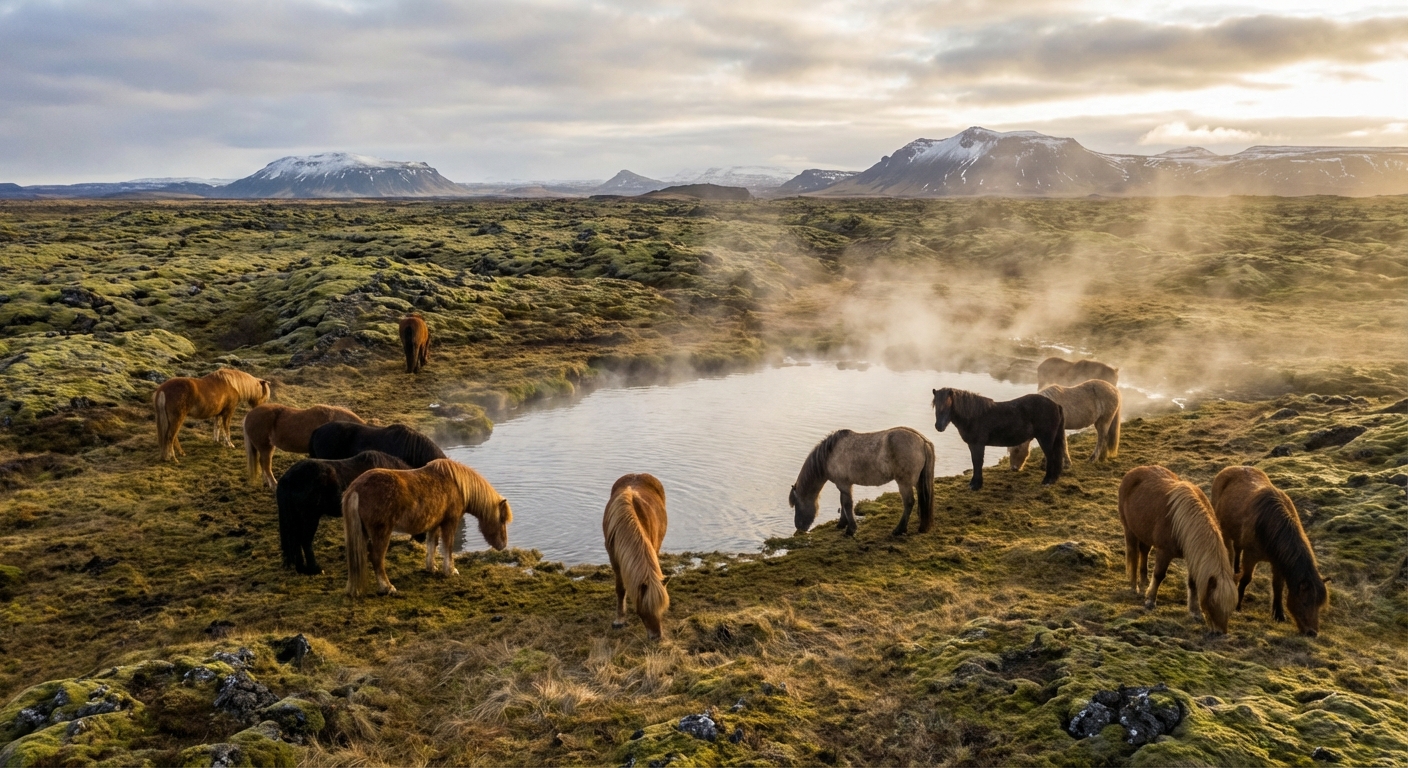
When forage seemed scarce, there was a distinct edge to how horses approached. One would arrive already braced to protect its right to the meal. Another would linger at an oblique angle, anticipating an opening. Minor displacements unfolded swiftly: a shifted shoulder, a pointed glance, a single step declaring "this space is taken." Nothing theatrical—just a persistent hum of tension.
Then we extended the duration of eating. Not by increasing portion sizes, but by distributing the day into more chewable stretches—so horses weren't left in long empty windows where gastric acid keeps flowing while the mouth remains idle. As those gaps narrowed, the atmosphere around feeding transformed. The same horses retained their preferences and still worked out their spatial arrangements, but the underlying urgency dissolved. How often do we, too, mistake the friction born of scarcity for something fundamental in character—when really, we are simply responding to the pressure of not-enough-time?
Competition is often a time problem, not a personality problem
Much of what we label "dominance" reveals itself most starkly when a resource feels like it's running out. When a horse perceives the window for eating as brief, tardiness carries consequences. Patience becomes expensive. Giving way feels like a gamble.
Yet when eating can stretch on—when sufficient time exists to graze and continue grazing—the herd no longer needs to treat every bite as a fleeting chance. More measured spacing emerges: one horse selects a different location rather than contesting the prime spot. Another moves aside without triggering a cascade of reactions.
This is precisely where our human narratives about rigid hierarchies lead us astray. The "winner" is not a fixed identity; it bends with circumstance. Alter the pressure of time, and you alter the very nature of the exchange. Perhaps our own conflicts—in families, workplaces, communities—deserve the same reframing: not who is difficult, but what is scarce.
A coexistence checklist: watch the minutes, not the manners
To assess whether prolonged eating time is reducing rivalry, resist the urge to evaluate attitudes first. Begin instead by observing patterns.
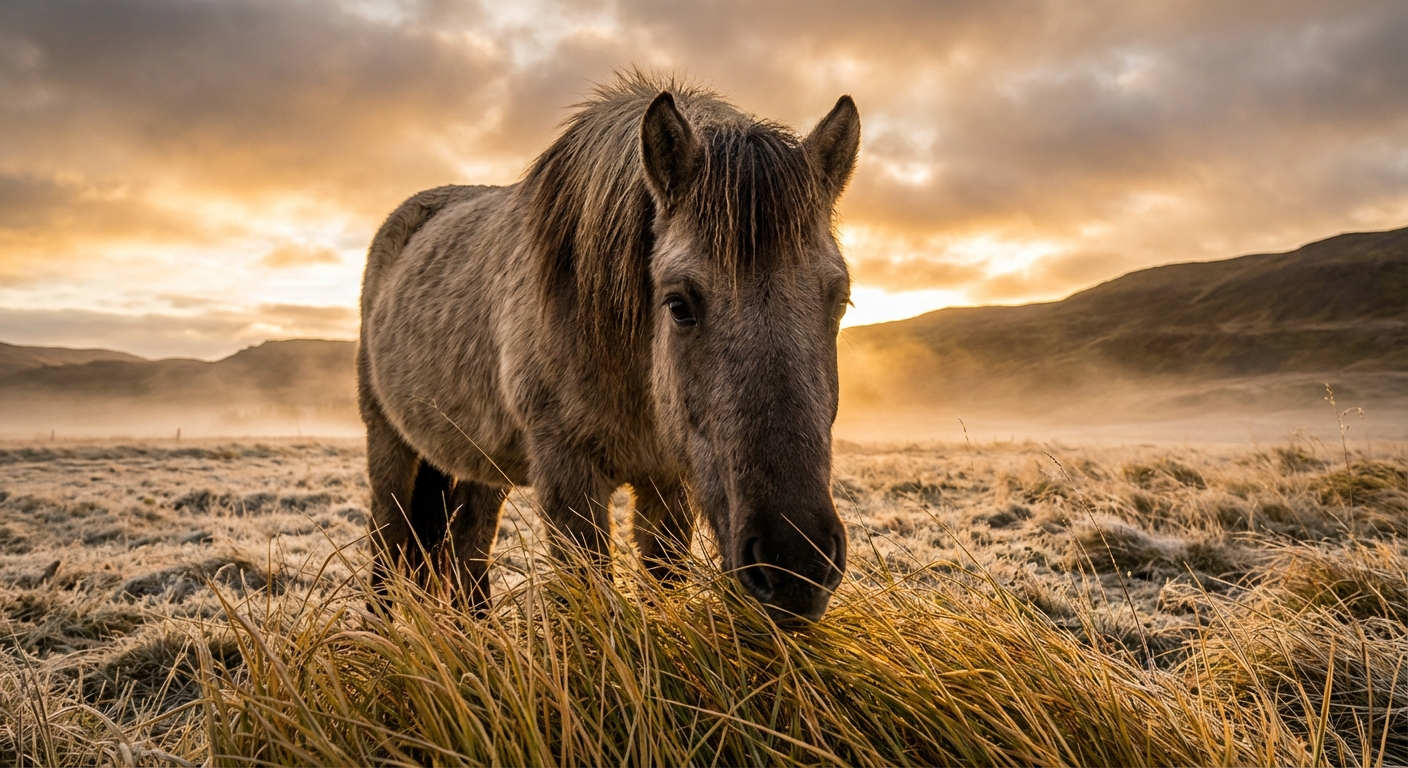
- Observe the actual duration your horses spend foraging. Grazing is not a pastime squeezed into the schedule; it is the foundation upon which the entire day rests.
- Pay attention to what unfolds after eating is cut short. The clock of acid-related damage starts ticking the moment chewing stops; behavior frequently mirrors biology.
- Examine the approach itself. Do horses walk toward food with relaxed posture, or do they arrive already charged? Have the rapid displacements diminished?
- Identify where tension accumulates. Does it cluster around particular spots—a single feeder, a specific corner—hinting that the real issue is access and movement rather than a "problem horse"?
- Consider what happens overnight. A horse standing motionless in a stall is not necessarily resting. When prevented from fulfilling what their physiology demands—movement and foraging—pressure gathers somewhere, and often surfaces in social friction.
These observations hold wisdom for human caregivers too: when we notice recurring tension in our own environments, the question worth asking is not "who is behaving badly?" but "what structural constraint is producing this stress?"
Design for time: make scarcity harder to believe
Coexistence redefines the human role. It becomes less about "providing meals" and more about safeguarding continuity—ensuring food remains sufficiently present that the herd ceases behaving as though it might vanish at any moment.
When the day permits extended chewing, the herd requires less vigilance and guarding. Space transforms from something defended into something negotiated. The social atmosphere settles—not because the horses grew kinder, but because the environment no longer demanded they remain perpetually alert. In our own lives, we might find that generosity of time accomplishes what no amount of correction ever could: it lets us—and those we care for—finally exhale.
Equine Notion
https://equinenotion.com/