When Eucalyptus Meets a Horse’s Breath: Scent, Space, and What Actually Supports Respiratory Ease

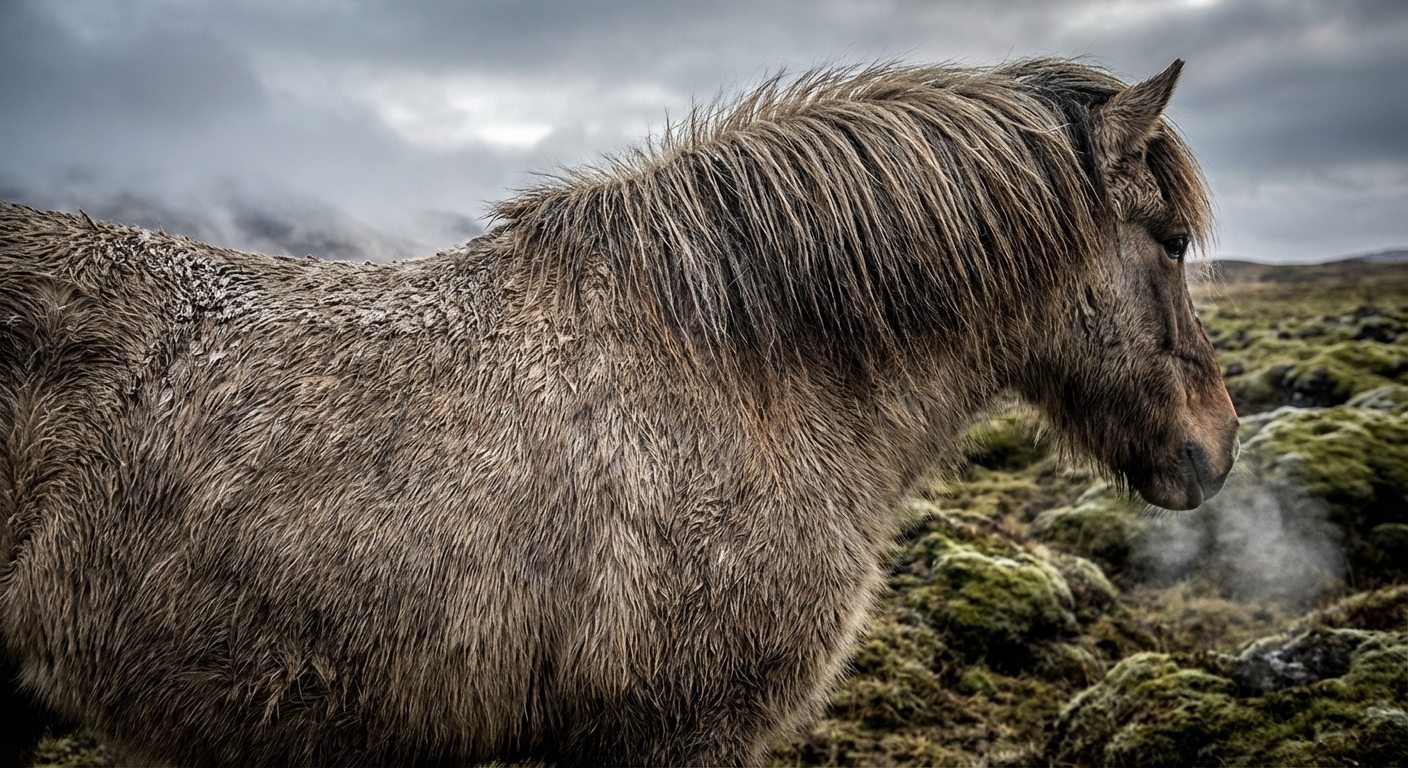
When Eucalyptus Meets a Horse's Breath: Scent, Space, and What Actually Supports Respiratory Ease
The first time I became aware of it, there was nothing remarkable about the moment. Someone had placed a modest gathering of fragrant herbs—eucalyptus and thyme—beside the tack-room entrance, a gentle declaration to everyone present: the quality of air is honored here. The fragrance arrived immediately, bringing order with it. People stopped, breathed deeply, and lowered their voices, as though scent itself could carry a covenant.
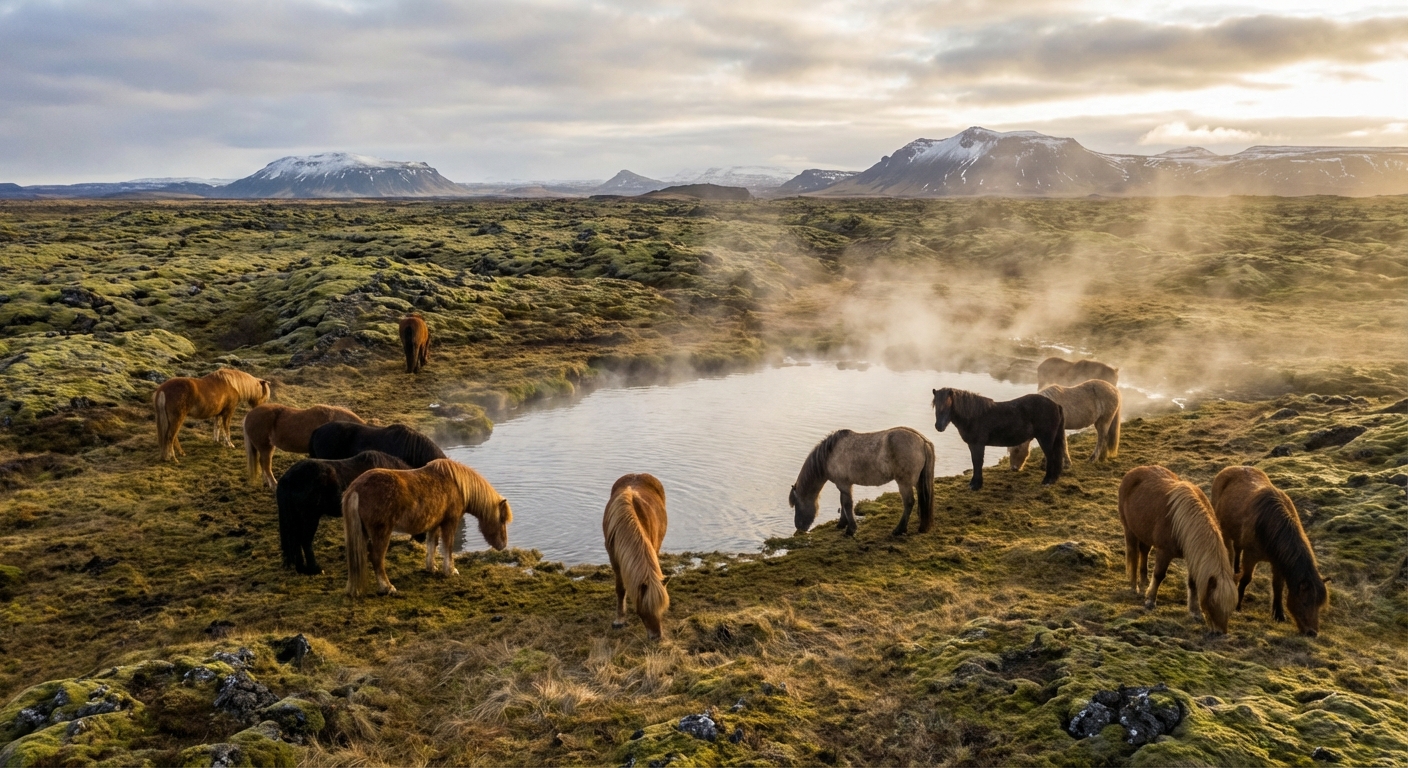
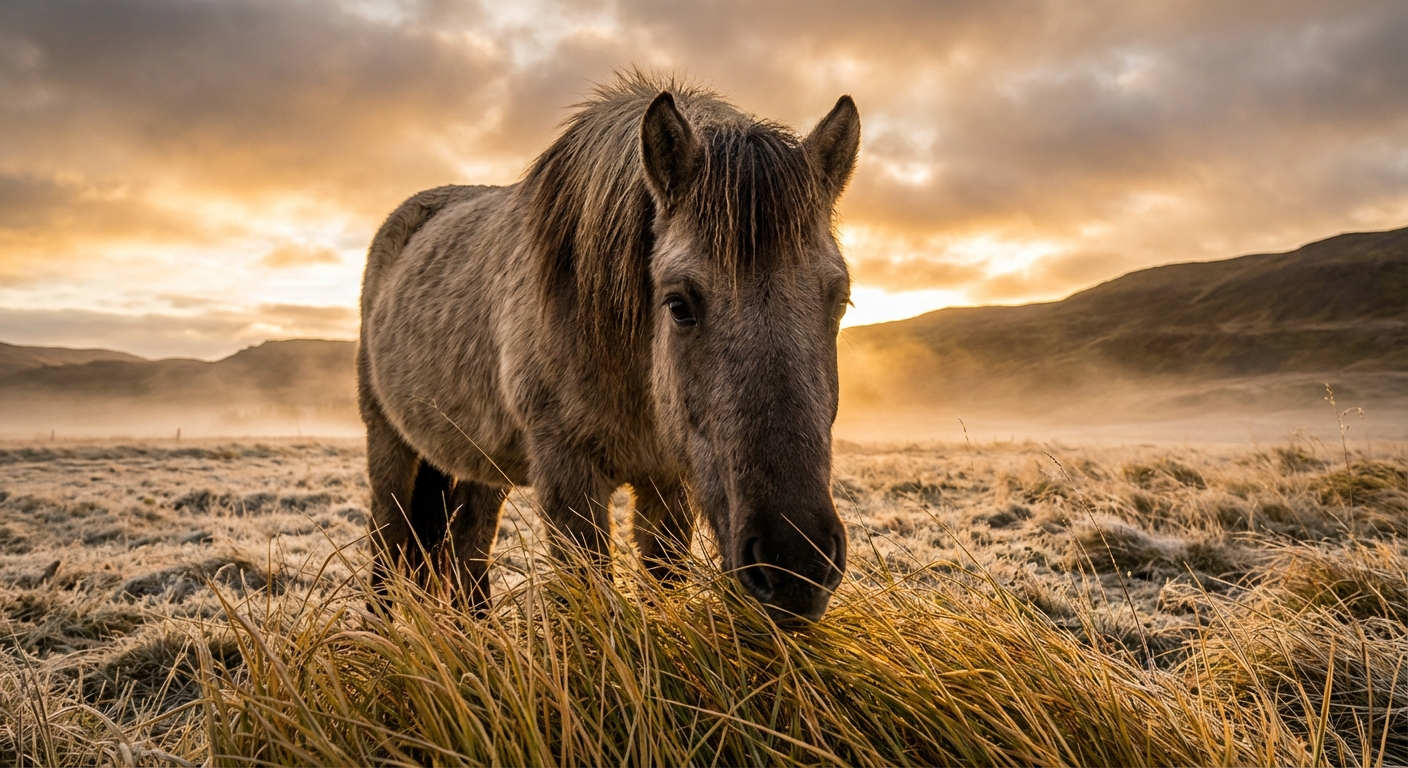
Meanwhile, out in the pasture, the horses showed no interest in the doorway. They continued doing exactly what they had been doing: wandering, eating, repositioning themselves, selecting breeze or cover without fanfare. Their focus remained where it always settles when they feel content enough to be unremarkable—on forage that never becomes spectacle, on ground beneath their feet, on the company of others, on whatever comes next. How often do we humans mistake drama for meaning, when the truest signs of wellness are often the most ordinary?
The Human Need to "Add Something"
Fragrant plants hold a unique sway over us precisely because they generate a distinct, tangible moment. They signify intention. Eucalyptus and thyme become care made perceptible through the nose.
Yet so much of caring for horses—particularly their respiratory health—does not arrive as a singular event. It emerges as an ongoing arrangement. It is not one beneficial item; it is the reliable backdrop that prevents the body from ever needing to complain.
When we are not in the saddle or engaged in training, we still yearn to contribute. We seek some lever we can pull. Fragrance serves as that lever, diminishing our sense of powerlessness, and it can even soothe the human nervous system. This matters, because our own calm reshapes the shared atmosphere.
Even so, a danger hides within that sweetness: scent can transform into the symbol that substitutes for the actual environment. When we instinctively reach for what we can position, suspend, or tie together, we may bypass the subtler inquiry of what the horse might choose for itself. We do this in our own lives too—reaching for visible gestures of wellness while neglecting the foundational conditions that would make such gestures unnecessary.
Breath as an Environmental Agreement
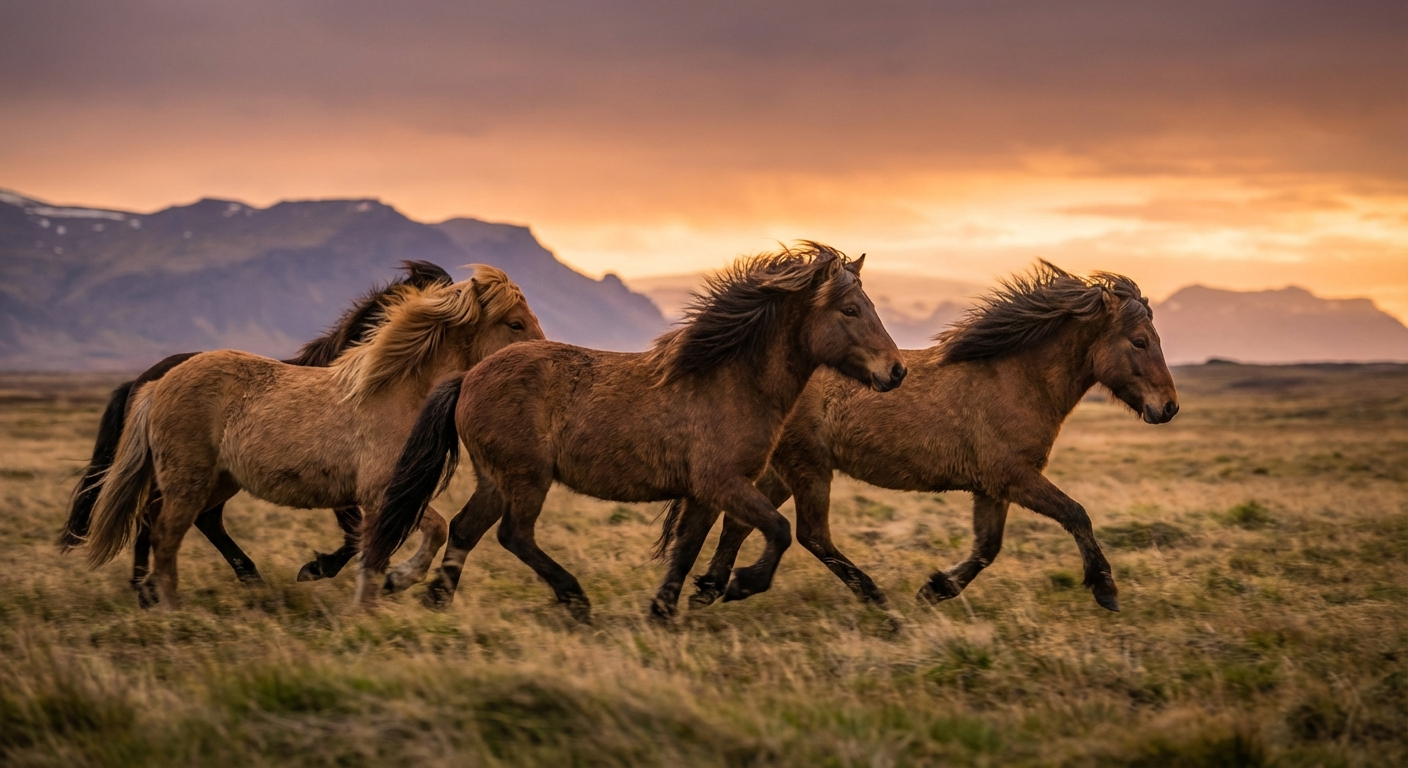
Horses evolved for lives in perpetual motion, not for existence managed in fragmented intervals. Their bodies anticipate movement and unstructured time, and their ordinary daily requirements are substantial.
Breathing exists within that context. Not as a clinical measurement in this discussion, but as lived reality: lungs engaged while hooves continue forward, airways encountering whatever the surroundings present hour upon hour.
Thus the most considerate respiratory support often appears almost mundane. It means uninterrupted access to forage instead of prolonged empty stretches. It means life outdoors rather than enclosure. It means the kind of terrain where a horse can maintain motion and situate themselves in relation to weather, particulates, and herd mates.
When a fragrance gives us the satisfaction of having "done something," it is worth asking whether we also accomplished the less conspicuous work: establishing conditions that do not require the horse's body to compensate throughout the day. The same principle guides human flourishing—our deepest support systems are often invisible, woven into the fabric of how we structure our days rather than concentrated in any single intervention.
Self-Selection: The Horse's Own Pharmacy
Among the most humbling concepts in horsemanship is the recognition that animals may actively pursue what benefits them, provided the terrain permits it. Self-medication behavior—zoopharmacognosy—is not a fashionable supplement to care; it is a testament that the animal's body possesses inclinations, and those inclinations require opportunity.
This reframes my entire perspective on eucalyptus and thyme.
I need not determine what those plants "accomplish" for a horse to grasp the more profound truth: if I am perpetually delivering remedies, I may be diminishing the horse's chance to make selections independently. When "assistance" arrives exclusively through human intervention, the horse's own agency becomes marginalized, as does the environment's function as a living repository of resources.
A pasture is not merely a place for turnout. It constitutes a constellation of possibilities—locomotion, botanical diversity, earth, microclimates, and the social architecture of the herd—that can either foster equilibrium or maintain the body in a state of alertness. How much of our own healing might we reclaim if we remembered that our environments, too, can be pharmacies rather than just backdrops?
Herd Life and the Cost of Constant Vigilance
Respiratory comfort cannot be separated from social comfort.
A well-functioning herd does not depend on perpetual conflict to appear cohesive. Much of what binds the group operates quietly: who defers in one instance, who asserts space in another, who elects to stand beside whom, who can graze without being pressed. These subtle negotiations influence stress, and stress shapes bodies.
When we reduce equine society to a simplistic "alpha" narrative, we frequently overlook what genuinely sustains peace: relationships that permit daily existence to unfold without continuous escalation.
Why raise this in an essay concerned with eucalyptus and thyme?
Because fragrance can divert attention from the more fundamental respiratory inquiry: is this horse living in a manner that chronically triggers watchfulness—whether socially or environmentally? If the answer is yes, the air may not be the sole source of constriction. The entire organism may be laboring excessively. We might ask ourselves the same question—whether our own breathlessness stems not from the air we breathe but from the relational and environmental tensions we inhabit daily.
The Protection Paradox and the Temptation to Over-Manage
A paradox lies at the heart of protection: the more intensely we attempt to govern every variable, the more upkeep the arrangement demands, and the simpler it becomes to overlook the horse's inherent capacity for self-regulation.
Bundles of aromatic herbs align perfectly with the "protective" instinct. They are tidy. They are bounded. They feel more secure than the complex labor of cultivating an environment capable of sustaining a horse across seasons without perpetual correction.
Yet nature's form of maintenance—consistent forage, room for movement, a herd that can settle into rhythms, land that is nurtured rather than exhausted—does not emerge from a single act. It emerges from embracing a way of life that places fewer demands on the horse's adaptive mechanisms.
So if eucalyptus and thyme occupy your thoughts, I would suggest keeping them as a prompt for human reflection rather than an equine prescription. Allow the fragrance to redirect your attention toward the larger, less glamorous dedications: open atmosphere, continuous nourishment, purposeful movement, social steadiness, and stewardship of the land that cultivates health rather than pursuing symptoms. Perhaps this is the invitation for all of us—to let small, beautiful gestures remind us of the deeper, quieter commitments that truly sustain life.
Equine Notion
https://equinenotion.com/