When My Pulse Slows Beside Them: Trust as the Quietest Kind of Company
Hook
The awareness arrives most clearly in moments of stillness.
No lead rope in hand. No agenda. No objective waiting to be fulfilled.
I enter the territory the horses call their own, and something in my body responds before thought can catch up. My breath seems to deepen and lengthen. The urgency in my heartbeat softens. It is as though the nearness of a trusted companion—one who asks nothing of my performance—whispers to my nervous system that vigilance is no longer required.
This sensation marks where coexistence truly begins for me: not as something I do, but as something we inhabit together.
1) A "heart rate drop" without measuring anything
I am cautious about making grand declarations, since I carry no instruments into the pasture. Yet the experience repeats itself with such reliability that it deserves acknowledgment: the way my body finds equilibrium when standing near a horse who feels secure in my presence.
This settling does not come through dominance. It emerges through mutual permission.
When the horse carries no tension, does not regard me as an authority figure, shows no sign of waiting for instruction—my own nervous system releases its anticipation as well. Within that shared stillness, trust transforms from an abstract idea into something bodily: shoulders releasing, thoughts quieting, awareness expanding outward.
Living alongside horses without riding or training creates space for this to happen. When there is nothing to "accomplish," the relationship remains unbroken by tasks.
Perhaps this is what we all seek in our human connections too—the rare gift of presence without agenda, where simply being together becomes enough.
2) The land is open; the pressure is smaller
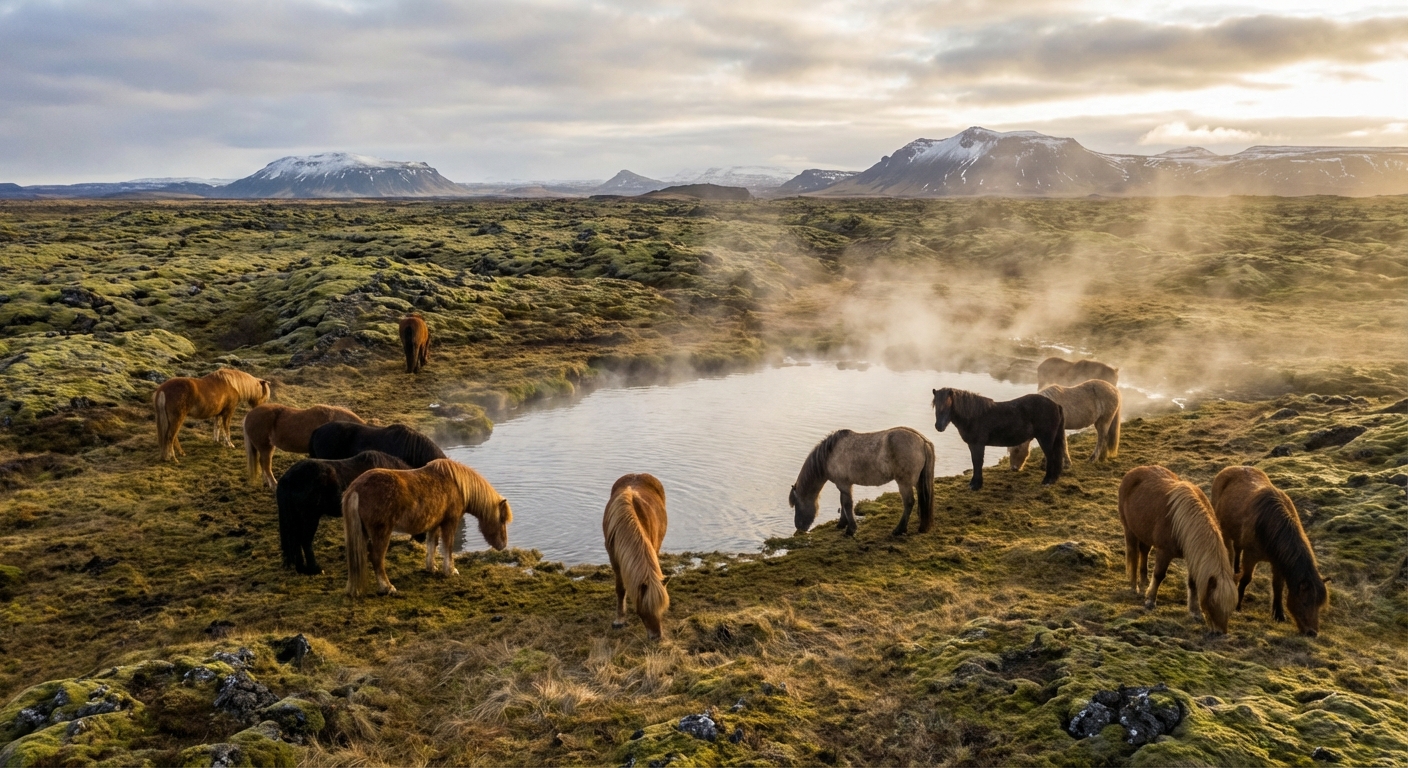
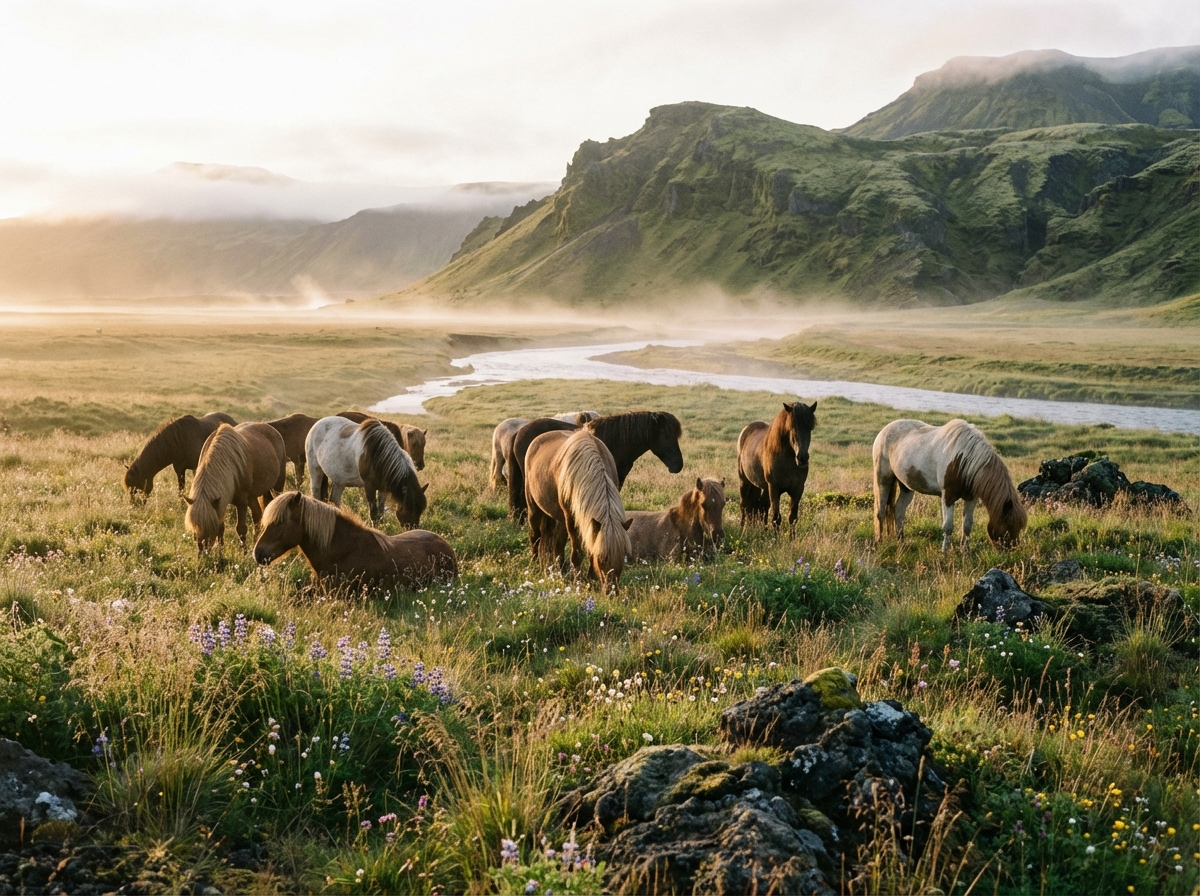
Countless horses spend their lives in cramped stalls. Our arrangement inverts this pattern entirely: we have given over the majority of our property to the horses, enclosing only a modest section near the dwelling for ourselves. One might say we are the ones occupying the small pen.
This arrangement profoundly shapes what I feel in my body.
When horses possess adequate room, the entire atmosphere transforms. The pasture no longer resembles a holding area; it becomes a genuine habitat. And when the surroundings are not designed around restriction, my arrival can take on a lighter quality. I am not the gatekeeper who "releases them" or "confines them." I am simply present, stepping into the world they already occupy.
Trust flourishes naturally in environments where every being retains genuine choices.
How often do we humans also find ourselves more open, more trusting, when we sense we are not trapped—when the door remains unlocked and leaving is always possible?
3) A trusted friend is also someone who doesn't schedule your hunger
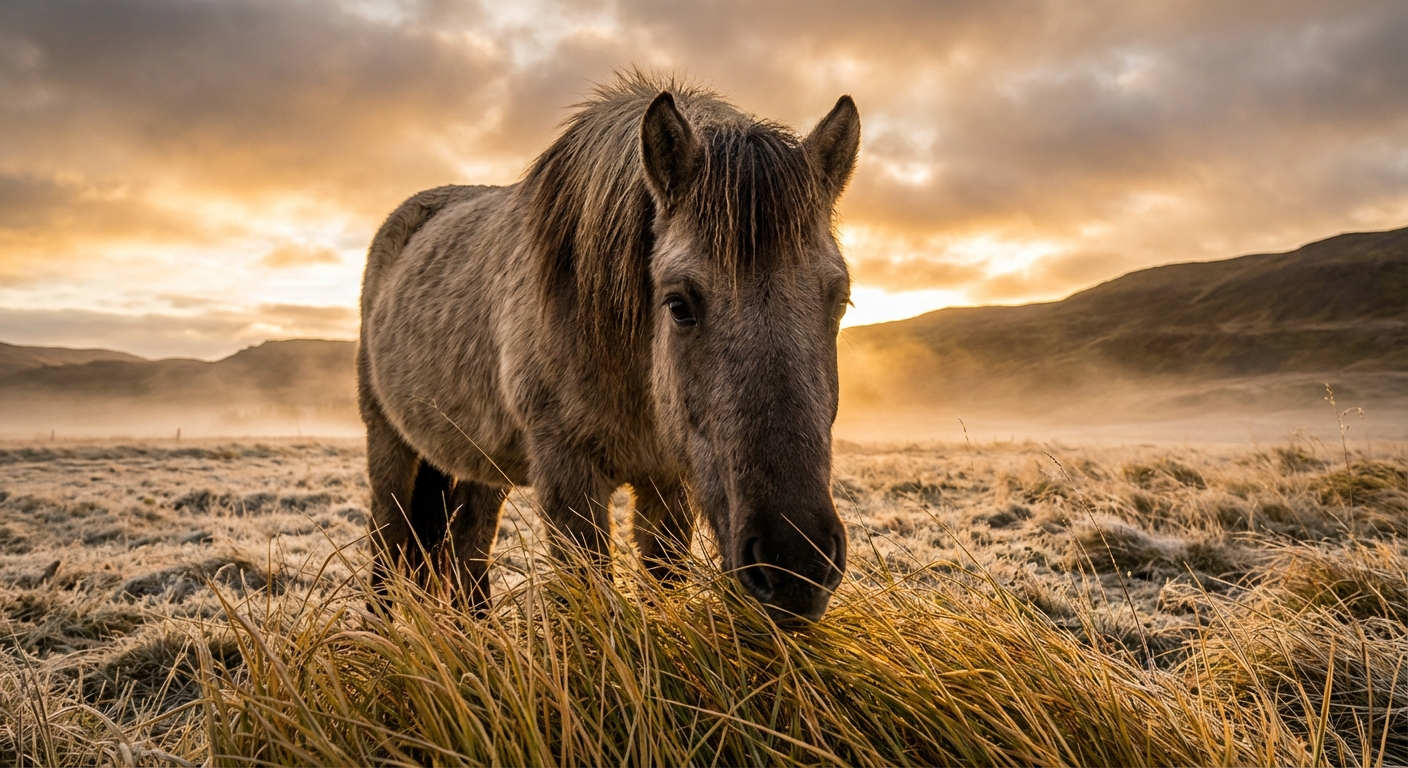
Among the subtlest ways we honor the nature of horses is through our approach to nourishment. I avoid feeding on a rigid schedule. My intention is to nurture their instinct to forage as they would in the wild.
This translates into an environment offering various types of hay and native plants, allowing them to seek what their bodies require.
The impact extends beyond nutrition into the emotional realm. When sustenance does not arrive like clockwork, the day loses its grip on time. The pasture need not carry that particular strain: the anticipation, the surveillance, the readiness for the appointed hour.
Within this gentler cadence, companionship itself grows gentler. I am no longer synonymous with "the feeding moment." I can exist as a familiar figure without becoming a stimulus. And here, once more, my own internal rhythm tends to ease.
We might ask ourselves: in what ways do our own rigid schedules—the tyranny of appointments and expectations—prevent us from experiencing the softer rhythms of genuine relationship?
4) Trust looks like choice, not closeness on demand
There exists a distinctive peace in standing beside a creature who remains entirely free to depart.
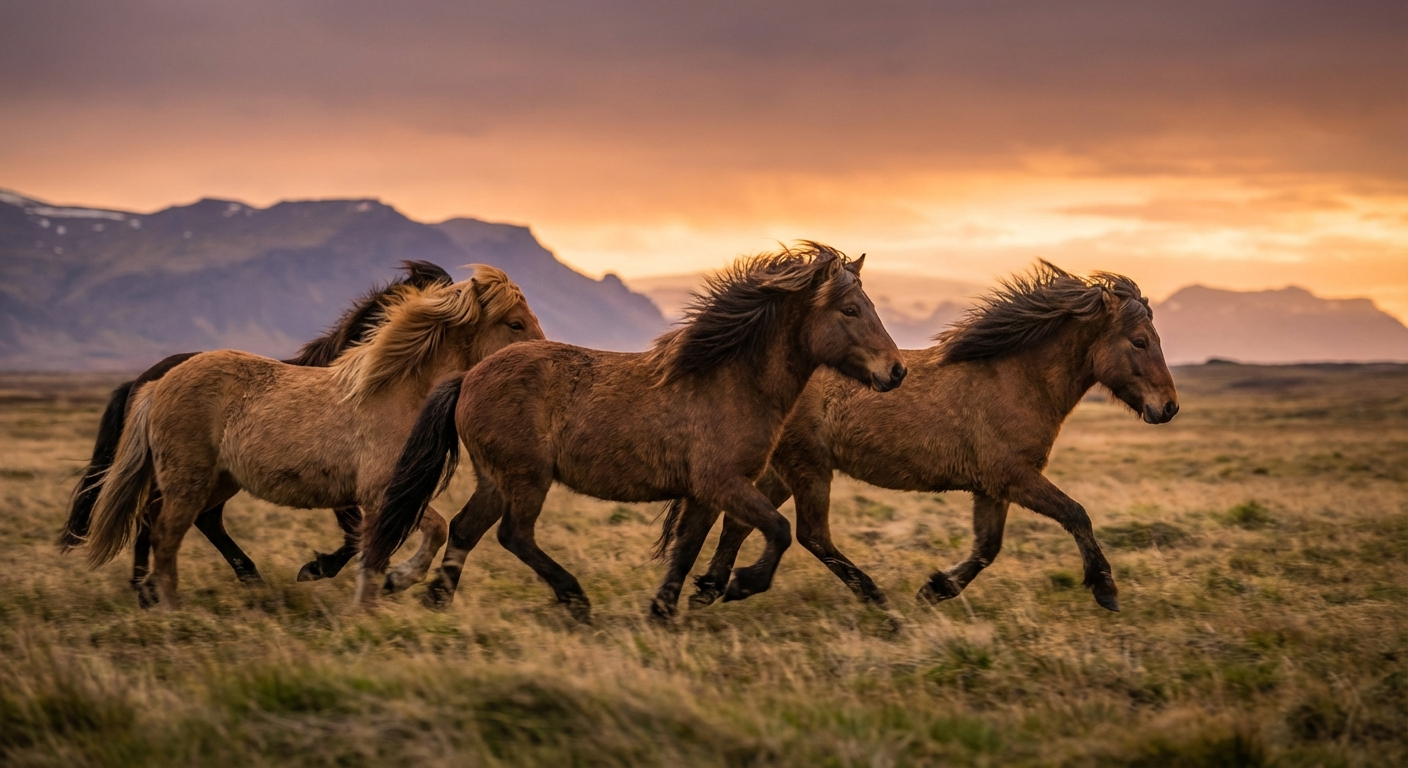
When nearly all the land lies open to the horses, their decision to stay carries meaning. If they position themselves near me, it is not for lack of alternatives. If they wander off, the bond does not fracture; it merely continues across a greater distance.
Here the notion of a trusted friend reveals its surprisingly concrete dimension. A friend is not someone you confine into companionship. A friend is someone capable of leaving—who nonetheless returns, not from duty, but from comfort.
In an arrangement where horses can exercise this freedom, I feel less compulsion to demonstrate my worth. I can cease striving for connection and begin accepting it when it is freely given.
The same truth echoes through our human bonds: love that cannot leave is not love at all, but captivity wearing tenderness as a mask.
5) Being "the calm place" without doing anything at all
Sharing life with horses outside of training demands a different form of human satisfaction.
Not "Observe what I can compel a horse to perform," but "Observe how little intervention I require."
When I stand among the pastures and allow the horses to exist—wandering through their domain, choosing their hay, sampling herbs—my role is primarily to witness. I look for the unremarkable indicators that the environment is functioning: bodies moving without haste, decisions made without coercion, time flowing unbroken by schedules.
And when a horse I have known deeply is simply at ease with my presence, I recognize this as companionship in its most essential form. This is not closeness manufactured through method. This is intimacy that emerges because nothing is being asked.
In that moment my own restlessness dissolves. The settling of my heart rate becomes, in its way, the gift received for seeking nothing.
What if our greatest offering to those we love—human or otherwise—is simply our unhurried, undemanding presence?
6) The human learns to live at the horse's pace
If I were to distill the essential teaching, it would be this: the horse has no need for my fervor.
What they require is room. They require access to diverse forage. They require an existence that belongs to them.
When these foundations exist—expansive territory rather than tight enclosure, food that invites foraging rather than clock-watching—the relationship finds space to become uncomplicated. And within that simplicity, trust becomes something I perceive in my own flesh.
Not as something dramatic or momentous.
Simply as a quiet coming to rest, beside a trusted friend who is permitted to be wholly themselves.
In learning to match the horse's unhurried tempo, we discover something essential about our own nature: that we too were never meant to live at the frantic pace we have imposed upon ourselves.
Equine Notion
https://equinenotion.com/