When Protection Becomes a Limitation: What a Shoe Changes in a Horse’s Hoof Life

The protection trade-off
What purpose does a hoof serve, if not to encounter the earth repeatedly—hour upon hour—until the body discovers ease within its own rhythm of motion?
Horseshoes are frequently selected with the best of intentions: to safeguard the foot. Yet a recurring paradox emerges in equine care—when we "shield" something by isolating it from its natural function, we risk undermining the very structure we seek to preserve.
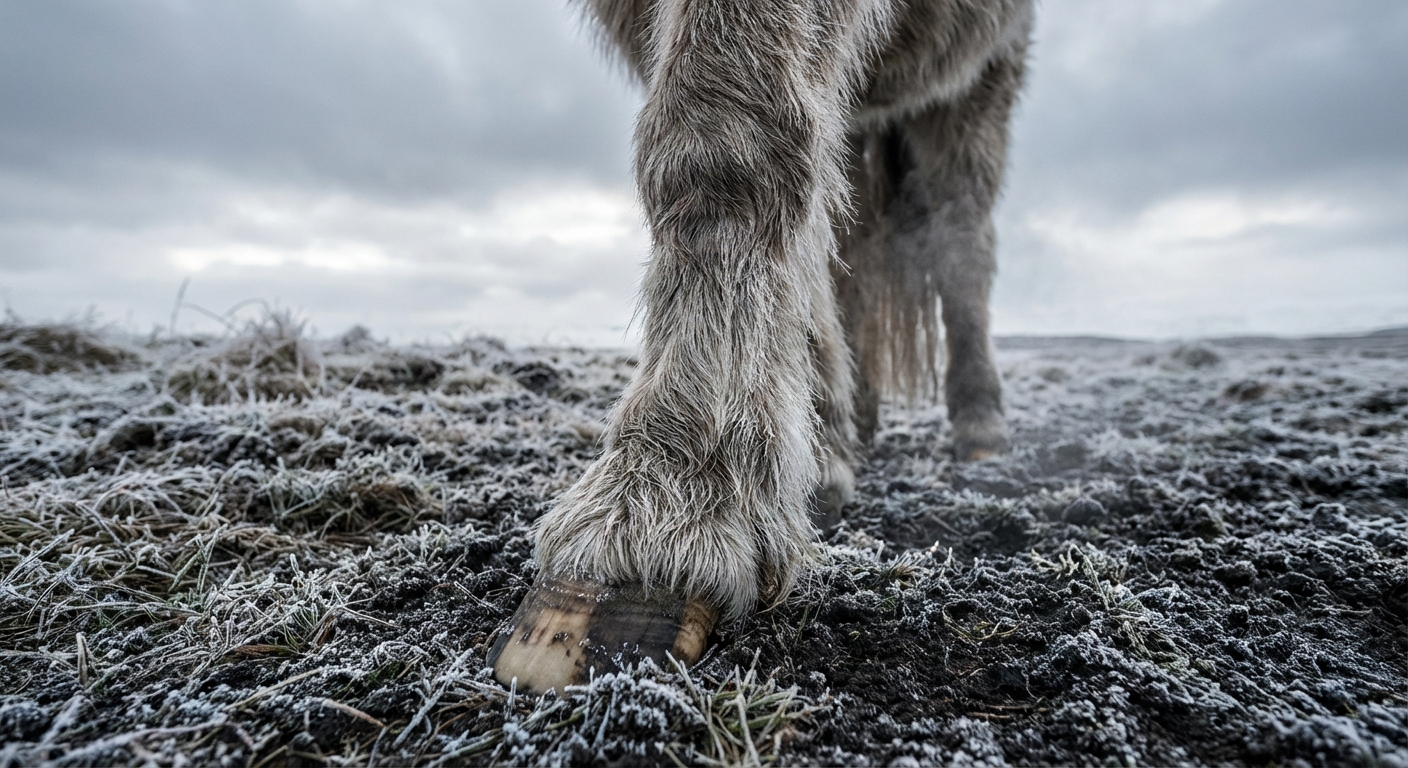
A hoof is far more than a surface requiring rescue. It participates in a continuous dialogue between horse and terrain: the patterns of wear, the texture of footing, the presence of moisture, the accumulation of daily miles, and the fundamental truth that equines are designed for sustained movement as their default state. When this dialogue is dampened or distorted, the hoof's purpose narrows—less sculpted by the landscape, more dictated by human intervention.
Here is where coexistence becomes tangible: before entering debates about the foot itself, examine the life that foot is expected to inhabit.
We might ask ourselves the same question in our own lives—before troubleshooting the symptoms of our discomfort, perhaps we should first examine the conditions we've created around ourselves.
What gets compromised when the hoof can't "participate"
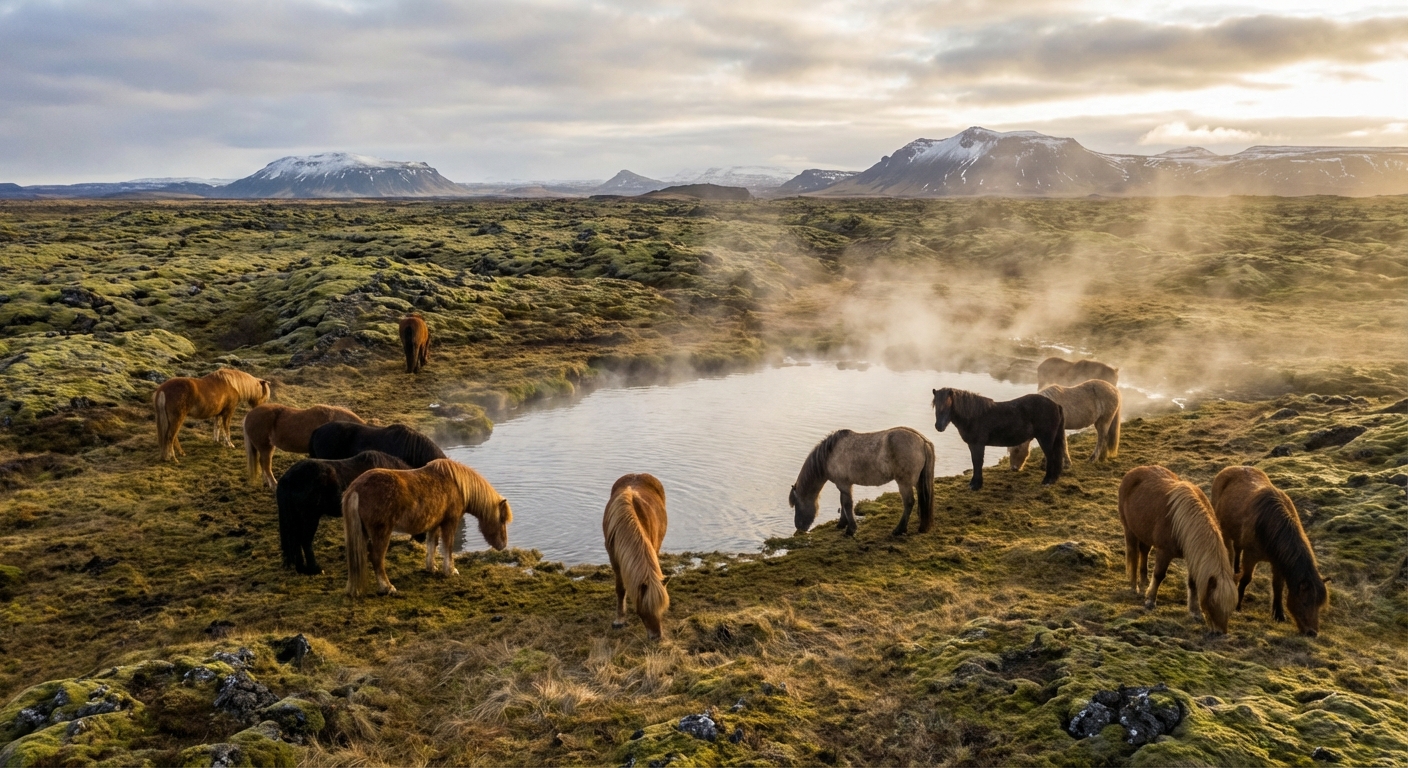
In environments where horses roam and graze without interruption, their hooves encounter natural diversity—varied terrain, shifting weather patterns, and the steady, gentle accumulation of miles that allows the body to regulate itself.
When shoeing restricts the hoof, one consequence is that it ceases to adapt organically to the daily surfaces that would otherwise mold it. The horse gains protection from certain immediate hardships, yet simultaneously loses access to the very stimuli essential to a fully outdoor existence.
A further consequence is that hoof maintenance becomes a stand-in for thoughtful lifestyle architecture. When a horse's movement is constrained—spending extended periods stationary rather than engaged in continuous foraging and wandering—the foot must endure circumstances misaligned with its biological design. Under these conditions, the shoe transforms into one component of a broader apparatus for "keeping things intact," rather than allowing the natural world to perform its inherent maintenance.
How often do we, too, reach for interventions and fixes when what we truly need is a fundamental redesign of how we're living?
Coexistence-first adjustments to consider
This is not an argument to cast shoes as the antagonist. Rather, it serves as an invitation to situate hoof decisions within the broader context that horses genuinely require:
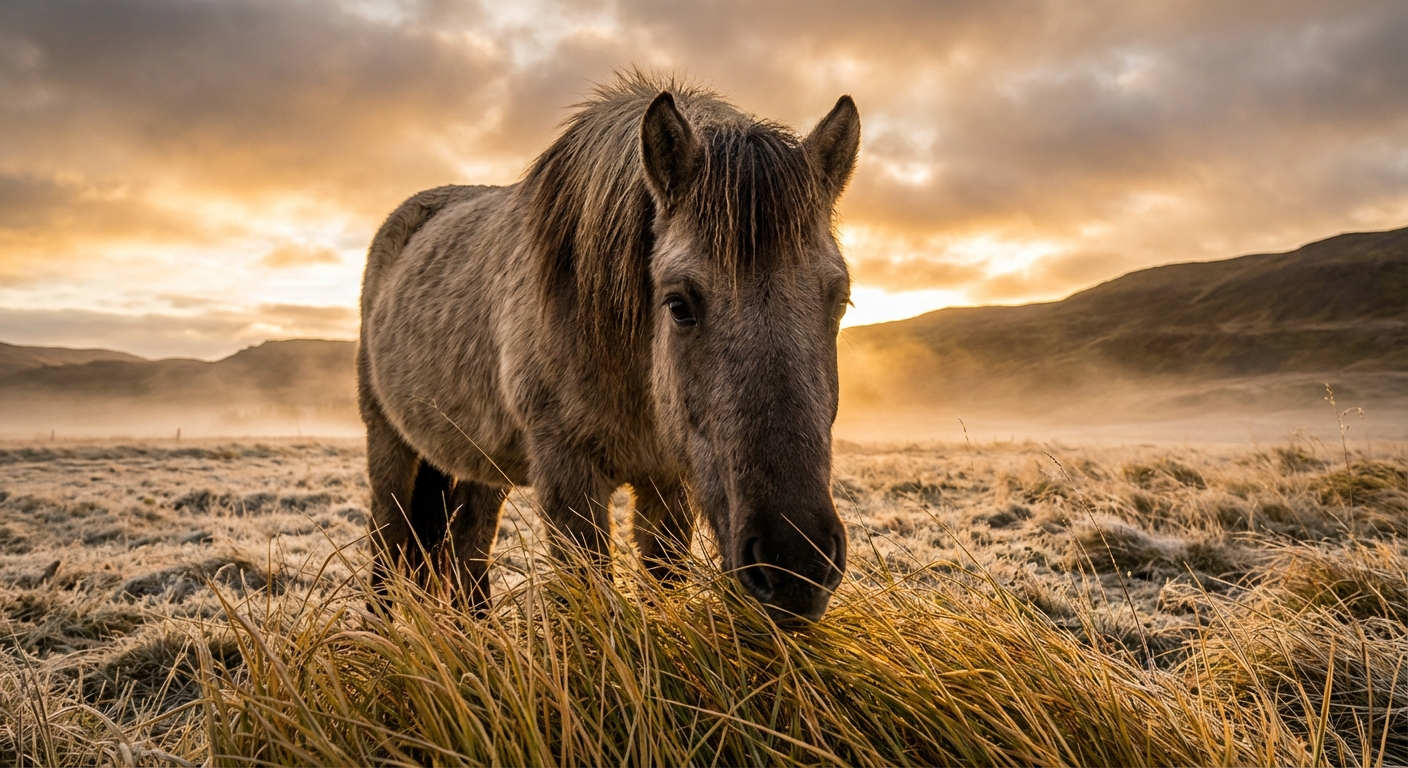
- Orient daily existence around uninterrupted access to grazing, recognizing that foraging is not a pastime—it is the foundational rhythm of the day.
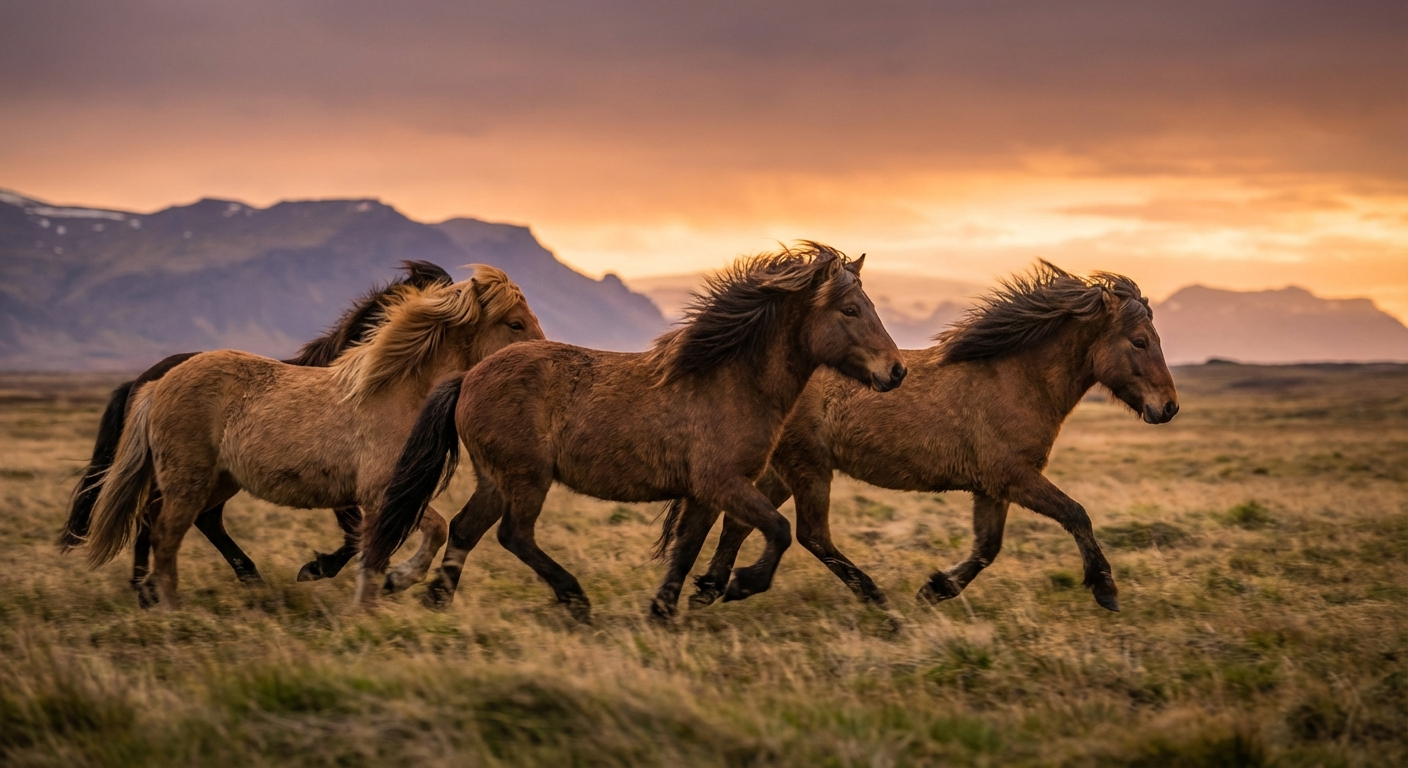
- Preserve opportunities for movement and adequate space, understanding that the body anticipates distance as ordinary life, not a sporadic occurrence.
- Attend to what the land provides: the vitality of soil, the stewardship of pastures, and the diversity of terrain are not merely "property matters"—they constitute the means by which a horse's body sustains itself.
When we prioritize living conditions above all else, "hoof restriction" transcends a narrow debate about materials and crystallizes into a more luminous question: are we permitting the hoof to perform the work it was designed for, or are we supplanting that work with apparatus and perpetual intervention?
This same inquiry extends to human flourishing—are we creating conditions where our bodies and minds can do what they evolved to do, or are we endlessly compensating for environments that work against our nature?
Equine Notion
https://equinenotion.com/