When the Air Does the Work: Noticing Breath Settle on Outdoor Turnout

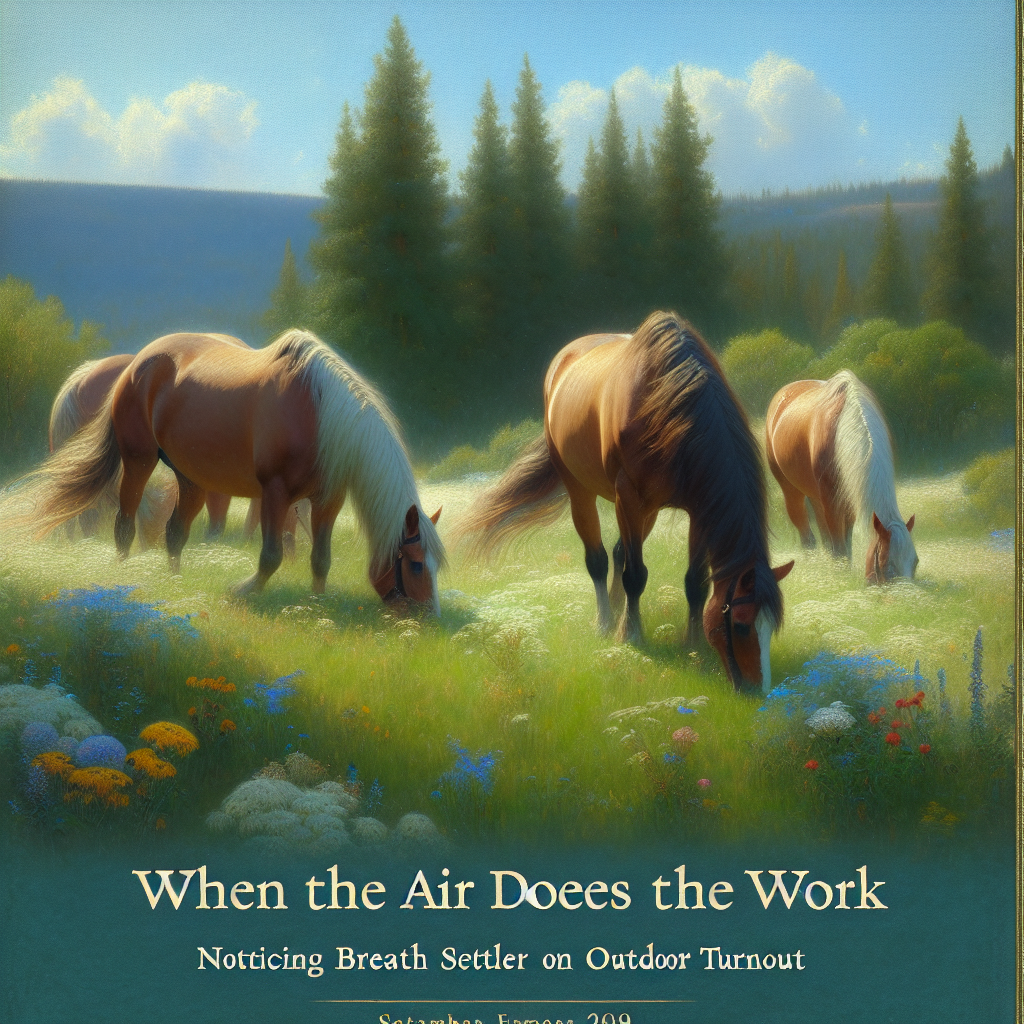
Hook
On a particular afternoon, a horse positioned themselves apart from the herd, head gently dropped, sides heaving with greater labor than normal. Nothing alarming—simply a breath that appeared "labored." Nobody demanded anything from them. No halter materialized. No schedule emerged.
And then turnout accomplished what turnout occasionally accomplishes.
Not as a remedy. Not as a guarantee. Simply as an environment where the horse could select what provided relief—where to position themselves, when to travel, how long to rest—until the breath appeared less labored.
1) The Coexistence Choice: "We'll Keep You Company, Not Manage You"
Sharing space with horses without riding or training frequently means we respond to distress with restraint. That restraint might seem like inaction, but it isn't inaction. It's a choice to remain present without transforming the horse into a task.
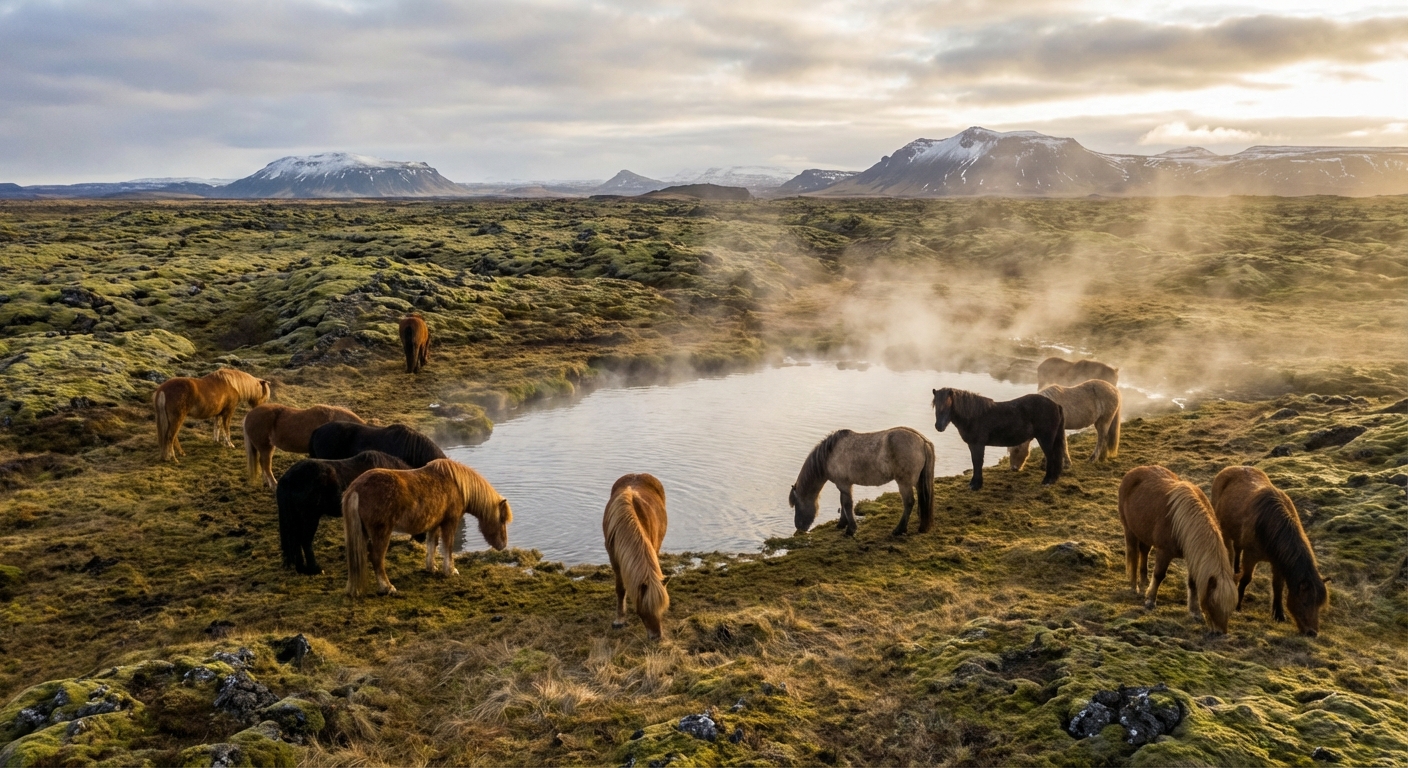
Outdoor turnout, from this perspective, isn't an instrument we "use." It's an environment we preserve so the horse can navigate their own comfort. We observe. We maintain a stable setting. We refrain from adding stress when the body already appears burdened.
This method doesn't reject care—it merely distinguishes support from control.
2) Turnout as Permission: The Horse Chooses the Microclimate
Within an open setting, the horse can make minor, significant modifications that no human can perfectly dictate. Several steps toward or away from a wind current. A transition from wet terrain to firmer ground. An adjustment in stance without disruption.
When respiration appears troubled, even slight alterations can be the horse's method of testing: position here, wait, then relocate there. The outdoors provides space for these self-guided experiments.
As people, we can respect that by not directing the horse toward one "ideal" location because it seems ideal to us. We can observe what the horse repeats—where they gravitate, what they shun—without converting those observations into an inflexible guideline.
3) Movement Without a Plan: Letting Walking Happen (Or Not)
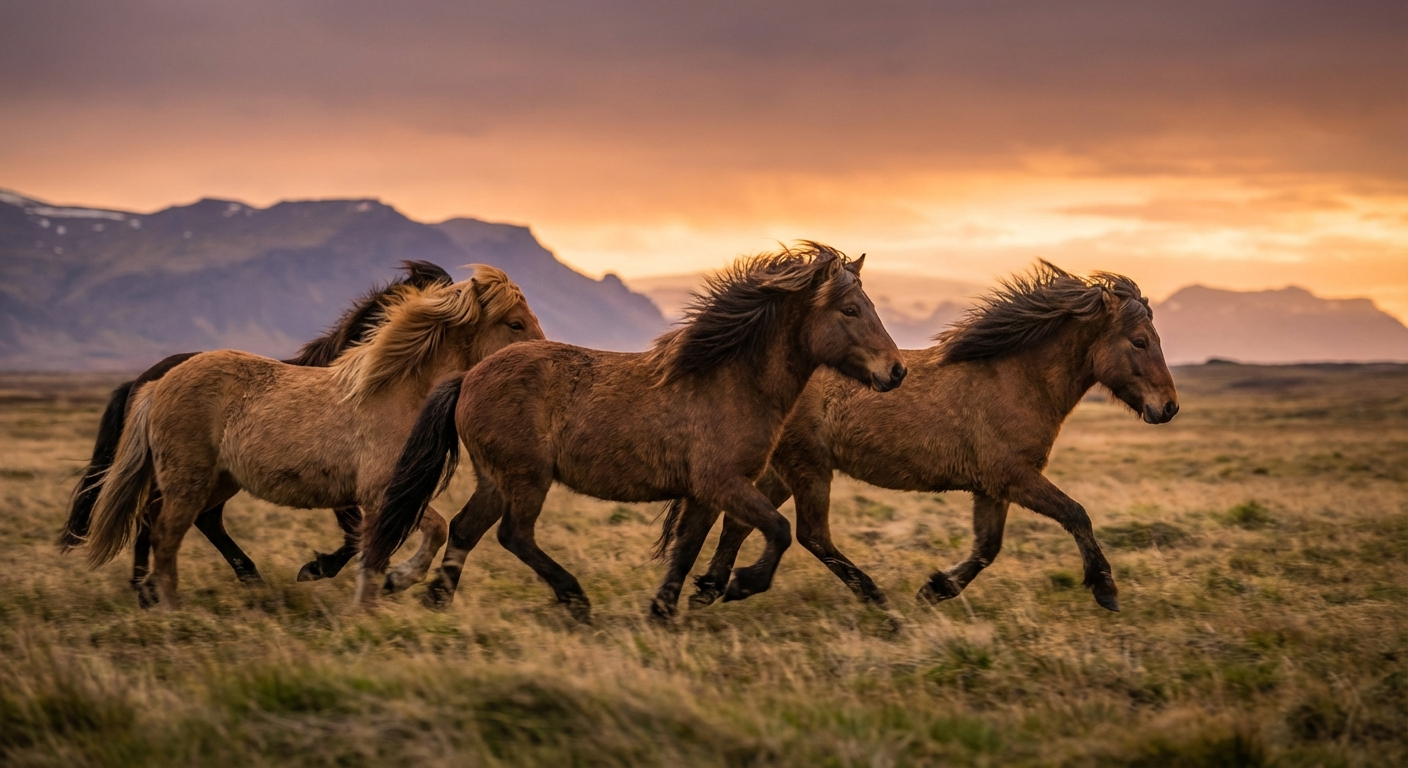
A horse with freedom can travel in a manner that suits the present: a brief stroll, an extended meander, a halt, a nibble, another halt. There's no pressure to "continue on." There's no human dictating the rhythm.
That's significant for coexistence because the horse stays the director of their exertion. If a breath appears constricted, they can decelerate. If remaining motionless feels uncomfortable, they can wander ahead. Sometimes the greatest benefit is that movement isn't required, so it can be selected.
The human contribution is minimal: maintain the day uncomplicated enough that the horse needn't expend energy on human agendas.
4) Social Buffering: Company Without Interference
Horses don't merely inhabit locations; they exist alongside companions. Outdoor turnout can provide a subtle form of comfort that isn't physical—just the reliable continuation of herd existence.
Coexistence in this context means observing whether the horse with the "labored" breath desires proximity or favors distance, and accepting either as legitimate. Some horses relax when another horse browses close by, undisturbed. Others relax when the herd provides them space.
The essential point is that nobody must orchestrate it. We can preserve the possibility for social comfort by preventing disturbances that compel separating, pursuing, or clustering.
5) Time as the Quiet Ingredient: Recovery That Isn't Performed
One explanation for why turnout can align with breathing becoming easier is that time grows less divided. There's no routine of being fetched, relocated, stabled, released again—no recurring changes that can maintain a horse on edge.
When a horse is given extended, continuous periods, the body gets an opportunity to recalibrate without constant disruption. This isn't a clinical assertion—merely a straightforward recognition of how differently a day unfolds when it isn't perpetually restarted.
For people, it can be unexpectedly difficult to permit that sort of duration. We wish to inspect. We wish to modify. We wish to "confirm." Coexistence invites us to weigh attentiveness against the likelihood that the horse may calm best when we cease disturbing the stillness.
6) What We Can Do Without Taking Over: Gentle Stewardship
If we're not riding, not training, and not converting every instance into an intervention, what remains?
Much—just more subdued effort.
We can maintain turnout areas peaceful and stable. We can minimize needless disruption. We can watch breathing from a considerate distance rather than demanding proximity. We can retain specifics: how the breath appeared before, what shifted after the horse selected a new location, how the horse positioned their head, how long they remained before relocating.
This is coexistence as guardianship: ensuring the horse's possibilities remain available.
7) Letting the Outcome Belong to the Horse
The most remarkable aspect of sharing existence with horses this way is acknowledging that some transformations occur without our involvement. A breath that appeared labored can ease after an hour outside, with no apparent "explanation" beyond the horse being permitted to exist at their own rhythm.
We don't have to craft that into a narrative where humans resolved it. Sometimes the gentlest reality is simpler: we offered fresh air, extended time, unrestricted choice—and the horse handled the remainder.
Equine Notion
https://equinenotion.com/