When the Belly Goes Quiet: Making Space for a Horse’s Own Digestive Repair


Hook
How should we respond when we sense a horse's body sliding toward distress—when the belly becomes an unanswered question and every human impulse urges us to seize control?
In our philosophy of living alongside horses, the most profound response is often this: offer them space, present them with choices, and resist transforming time into urgency. Not from indifference, but from the deepest form of caring.
This is neither a veterinary manual nor an assertion that nature invariably heals all wounds. It is simply a portrait of a coexistence-centered life where a horse's innate capacity for self-regulation is honored—particularly when the digestive system feels vulnerable.
1) Emergency energy vs. coexistence energy
When digestive crisis strikes, the human reflex is to grasp for control: rigid protocols, strict timelines, predetermined actions. Coexistence invites us into a different state of preparedness.
This readiness begins long before trouble arrives, woven into the fabric of ordinary days. When a horse's routine already involves anticipating meals, tolerating confinement, and existing within a constricted schedule, the body learns to armor itself against human-imposed rhythms. When the gut becomes a source of concern, this chronic bracing becomes significant—for pressure extends beyond the physical into the environmental.
Our foundation, therefore, is straightforward: we strive not to construct a life that perpetually demands the horse submit to human time.
We might recognize this same pattern in ourselves—how our bodies learn to brace against the relentless demands of schedules we never chose, and how that tension accumulates in ways we rarely notice until crisis arrives.
2) Food without the clock: leaving room for the gut to set the pace
Among our most deliberate decisions is how we approach feeding. Meals do not arrive at predetermined hours. Instead, I work to encourage the natural rhythms of grazing and foraging.
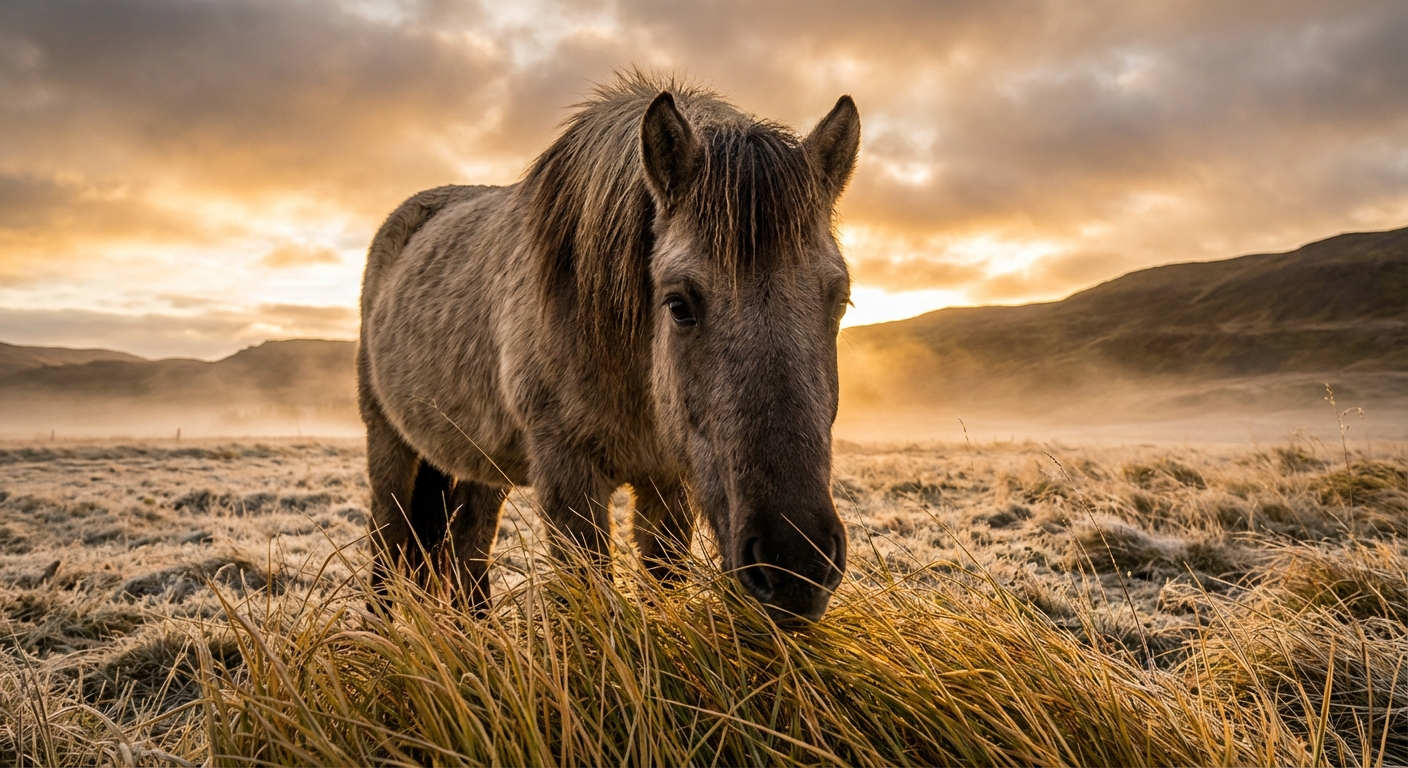
This reshapes the emotional texture of nourishment. Food ceases to be an event on a calendar. The horse is not conditioned to spend hours in anticipation of the single moment when existence becomes tolerable again. Eating becomes what it was always meant to be in a life lived close to the land: something the horse drifts toward, wanders from, and returns to once more.
When digestive worry surfaces, this approach matters profoundly because it shields the horse from the additional burden of expectation. The gut need not contend with the tension of "not yet." The horse need not stand frozen, waiting for a door to swing open or a bucket to materialize. The environment has been crafted from the beginning to prevent such pressure from accumulating.
How much of our own suffering comes from the anticipation of relief rather than its absence—the way we teach ourselves to endure until some future moment when life will finally feel right?
3) Letting choice function like comfort: diverse hay and wild herbs
To be honest, one of the most humbling revelations of intimate life with horses is discovering how frequently they already understand what their bodies require—if only we cease restricting their possibilities.
I endeavor to create an environment offering access to varied hays and wild-growing herbs, allowing horses to follow their instincts toward the nourishment they seek.
This may seem like a modest statement, yet in practice it transforms the entire dynamic between horse and human. Rather than positioning myself as "the one who determines the answer," I arrange the offerings and withdraw. Rather than a single feed the horse must accept without question, there is diversity that beckons toward selection.
And when the gut feels precarious—when you find yourself observing, listening, waiting—the capacity to choose transcends mere nutrition. It becomes a matter of autonomy. A horse who can select, wander, pause, and select again is a horse who is not imprisoned within a single human solution.
Perhaps the deepest comfort we can offer any living being is not the perfect answer, but the dignity of finding their own way toward what heals them.
4) Space as a form of first aid: refusing the small-box life
Across much of the equine world, horses exist within cramped enclosures. We deliberately chose the contrary path.
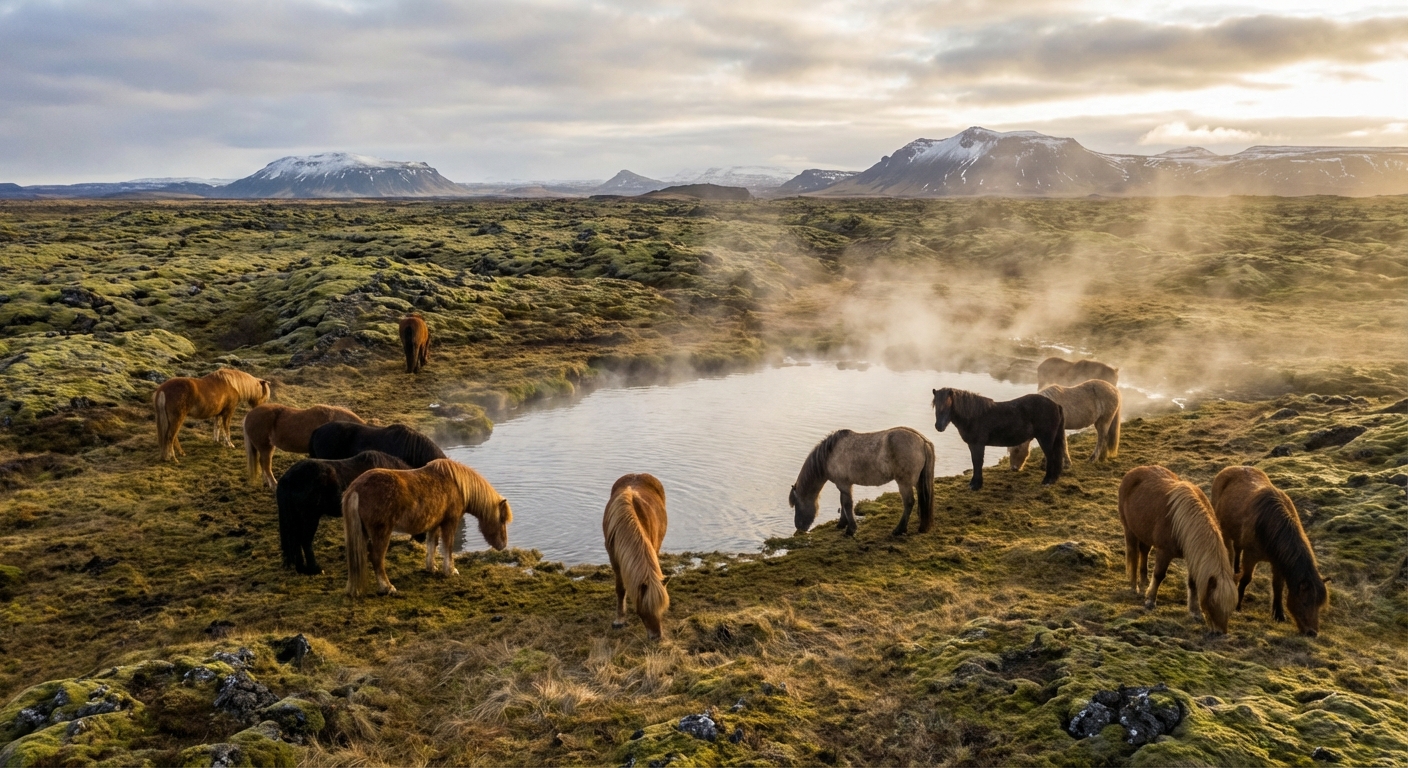
We surrendered the majority of our land to the horses. The outcome borders on absurd: it appears as though we humans have become the confined ones, dwelling within a modest fenced area beside the house, while the horses inherit the wider world.
This inversion carries weight when contemplating digestive crisis, because the environment already exists to permit movement and selection. Not as a structured training regimen. Not as exercise. Simply as the texture of daily existence.
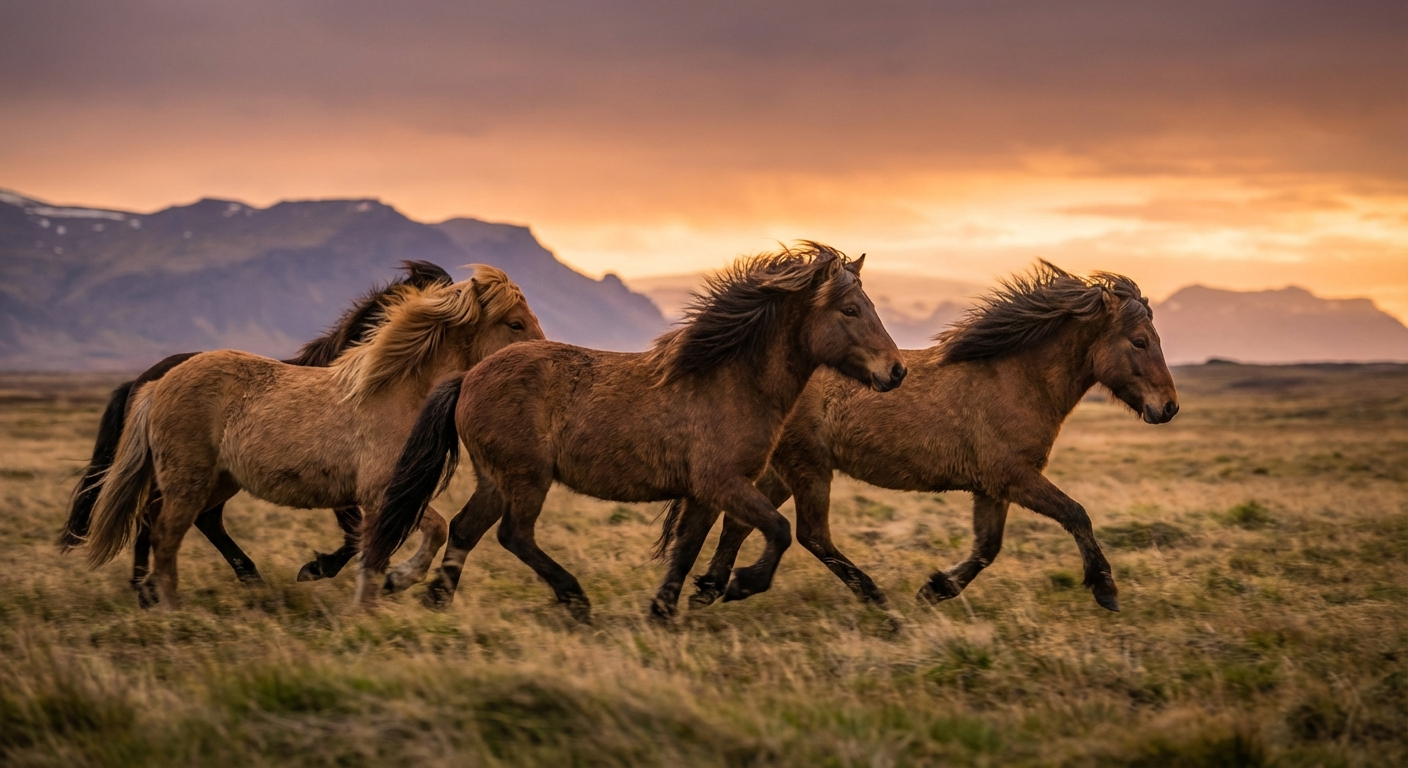
When a horse can traverse space without seeking permission, they can pursue whatever feels necessary in the moment—shadow or sunlight, solitude or companionship, stillness or gentle wandering. Within a confined arrangement, every shift becomes a human-orchestrated occurrence. Within an open arrangement, countless shifts simply remain accessible.
We too know what it means to feel our options narrowing, to sense our world shrinking around us—and we know the quiet relief of doors that remain unlocked, of paths that stay open.
5) The human role: staying near without turning it into a project
Coexistence does not require vanishing. It requires arriving in a different way.
When concern for a horse rises in me, I try to remain present without converting my presence into expectation. No saddle. No lesson. No "let me test whether you will perform this for me." Only quiet attentiveness, patience to wait, and resolve not to introduce additional strain.
Here is where refusing fixed feeding schedules and rejecting small enclosures becomes something greater than a management philosophy. It becomes a practice of emotional care.
Because when everyday life is already constructed around the liberty to graze, the liberty to choose among hays and herbs, and the liberty to roam across open ground, then in a frightening moment you need not suddenly manufacture peace. Peace already inhabits the architecture of each day.
The same might be said of human relationships: presence without agenda, attention without demand—these are the quiet gifts that allow another to find their own footing.
6) A practical kind of trust: setting conditions where self-regulation is possible
Many envision "trust" as something sentimental. For me, it is entirely practical.
Trust means constructing a world where the horse can continue being fully horse even when anxiety grips me. It means selecting an environment that refuses to compress their existence into a stall. It means feeding in ways that nurture natural grazing rather than scheduled appointments. It means presenting varied hays and wild herbs so the horse may choose rather than merely comply.
And yes, it also means accepting that certain moments lie beyond our power to determine. Coexistence encompasses humility. Confronting a digestive emergency, that humility can wound—yet it can also prevent us from heaping human anxiety atop the horse's own struggle.
When the belly falls silent, I refuse to let my fear become yet another enclosure.
Perhaps this is the deepest lesson horses offer us: that love sometimes means stepping back, that trust is built not through control but through the conditions we create—and that the bravest thing we can do is make room for another's healing without demanding it happen on our terms.
Equine Notion
https://equinenotion.com/