When the Fix Becomes the Trigger: Why “Behavior Problems” Don’t Budge

When the Fix Becomes the Trigger: Why "Behavior Problems" Don't Budge
What if the very reason a "behavior problem" refuses to dissolve is that we continue interfering with the exact structure it has formed around?
Not the horse's so-called "attitude."
Rather, the architecture of how their day is organized.
A horse may appear calm on the surface while the internal system runs at a constant simmer. That nervous energy serves a purpose: to keep the body primed for whatever disruption comes next. We see this in ourselves, too—the way chronic stress can masquerade as normalcy until the smallest thing breaks the illusion.
And so we step in once more. Additional management. More choices made on their behalf. Another turn of the screw.
Yet the behavior endures—because the conditions that gave rise to it remain intact, now simply layered with more human activity.
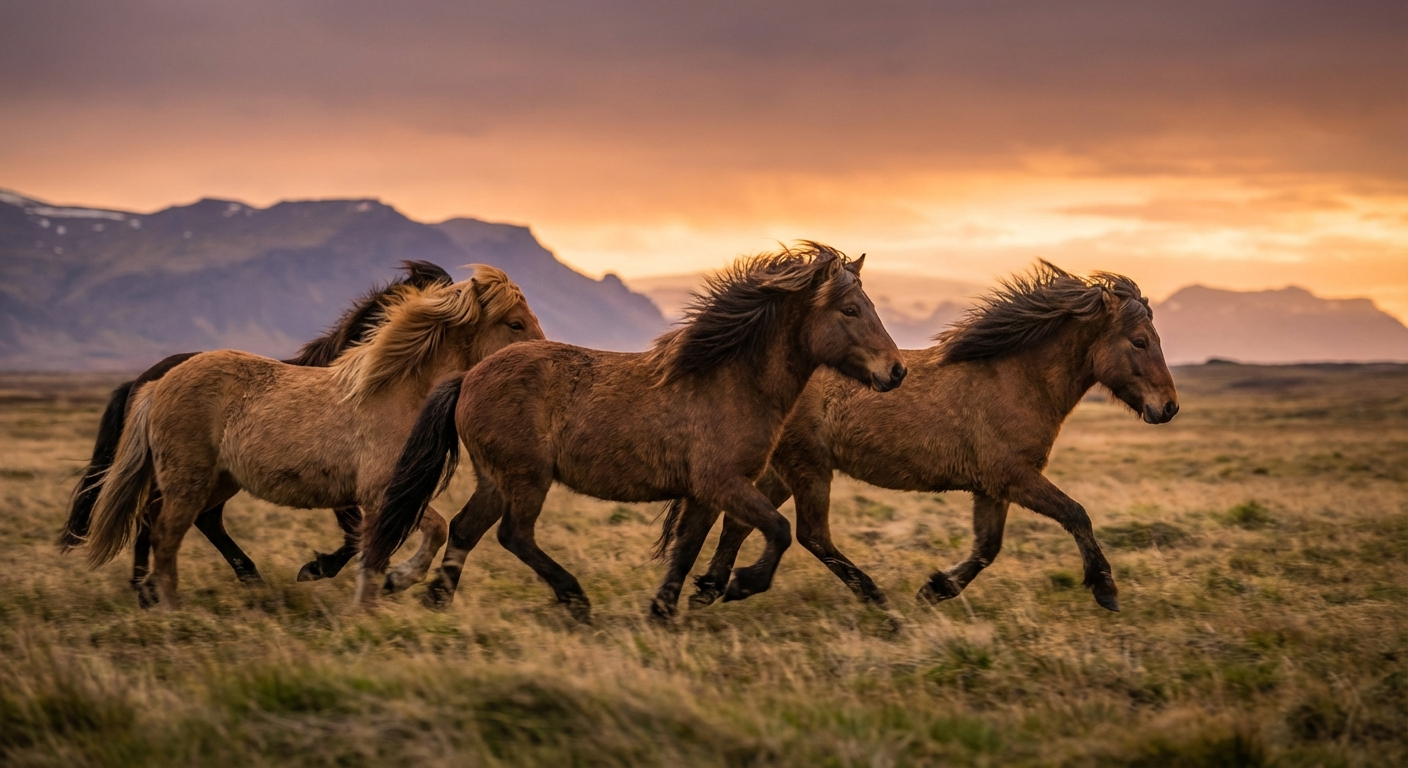
Certain behaviors are not "bad habits" at all. They are signals. The repetition, the rigidity, the endless loop—these often reveal that the horse's world has grown too narrow, too regimented, too frequently disturbed. A body designed for sustained movement and unhurried grazing begins generating its own stimulation when the environment fails to offer it. How often do we, too, create compulsions to fill the emptiness left by lives that have become too controlled, too small?
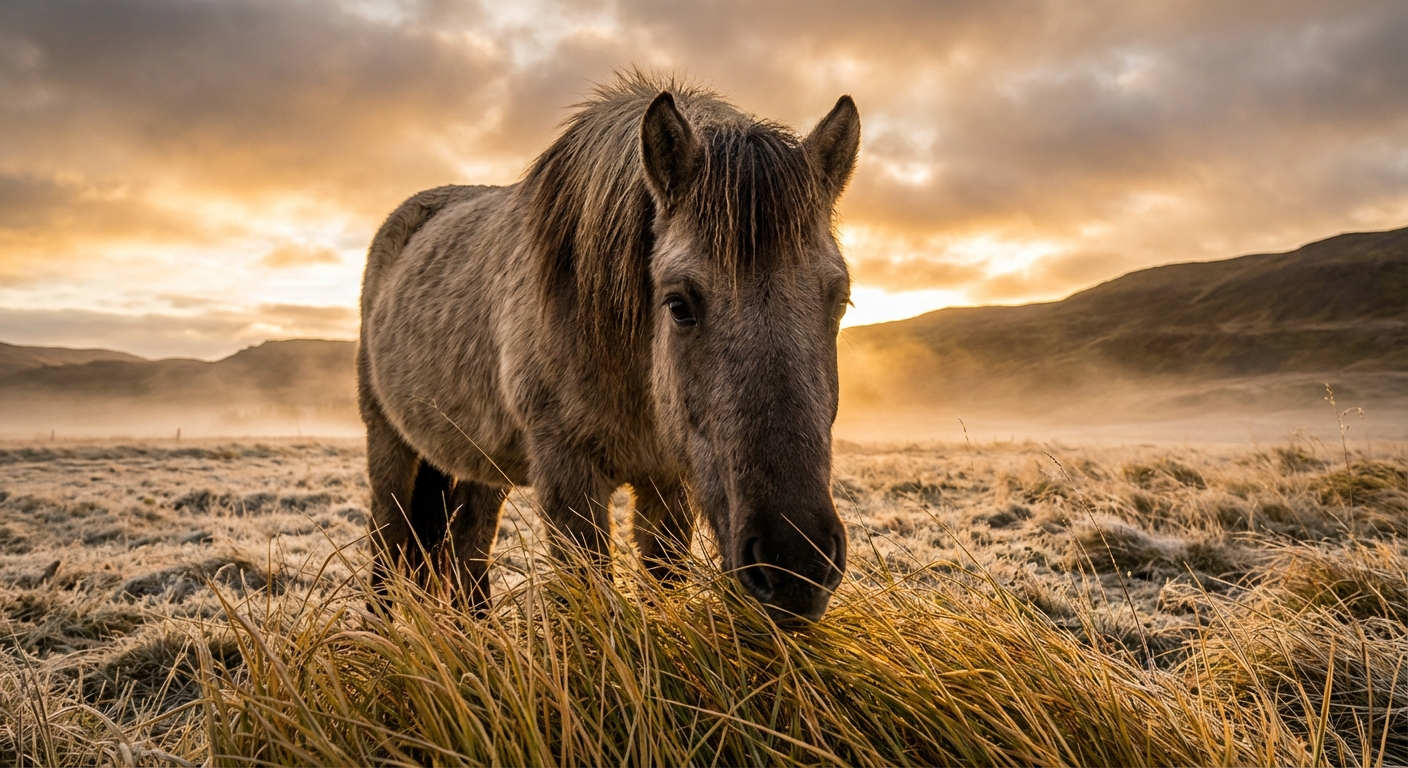
The most challenging truth is also the most straightforward: the horse's stomach does not pause simply because we have. Acid production continues unabated. The moment eating ceases, an internal timer begins. When we repeatedly introduce gaps—through travel, medical procedures, schedule shifts, even well-meaning care—the body learns to brace for the void. The mind soon follows.
Then arrives the paradox of protection: we intervene to shield the horse from harm, and in doing so, we eliminate the very challenges that cultivate resilience. We attempt to engineer flawless comfort. What we receive is fragility. The horse grows reliant on perpetual adjustment, and any deviation surfaces as "behavior." This mirrors our own tendency to over-shelter what we love, only to discover we have weakened it.
True coexistence demands a different form of support.
Less saving.
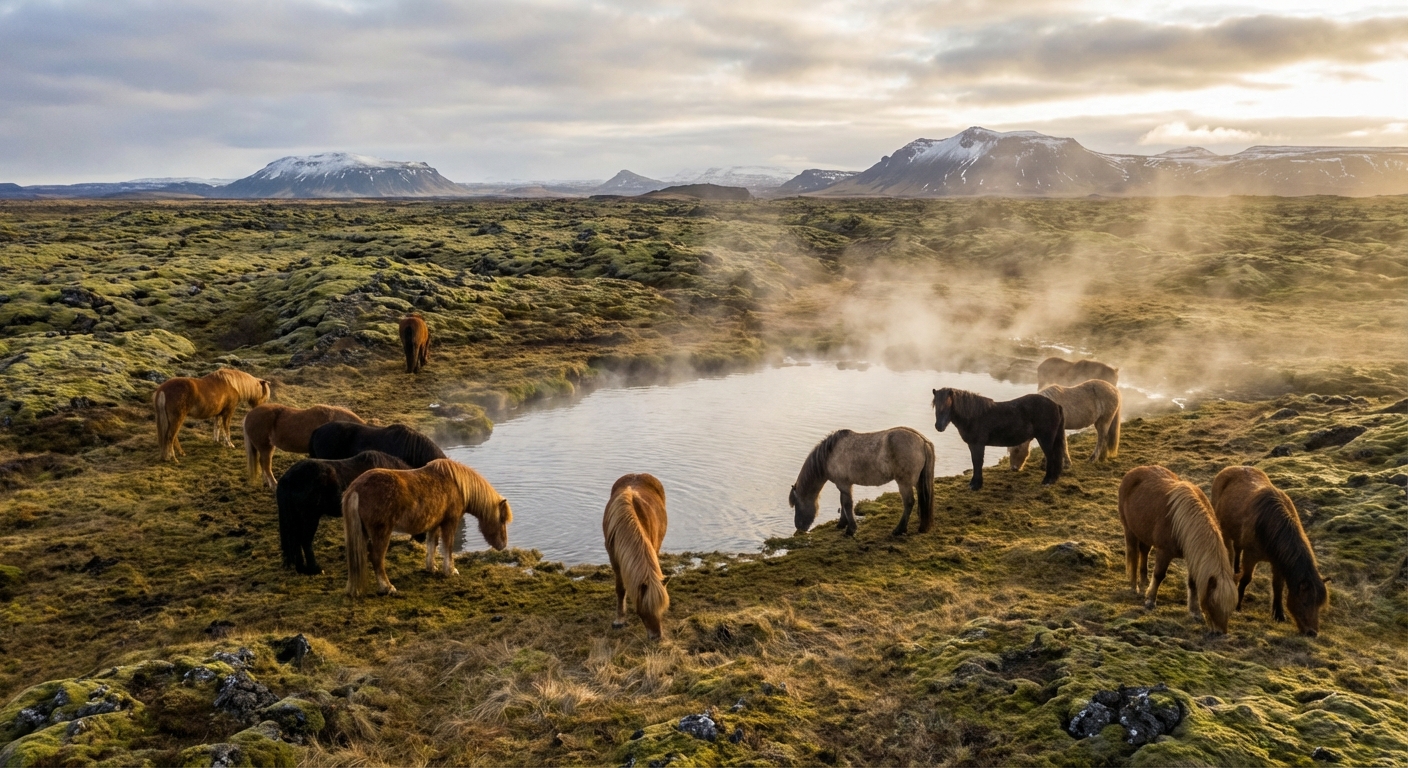
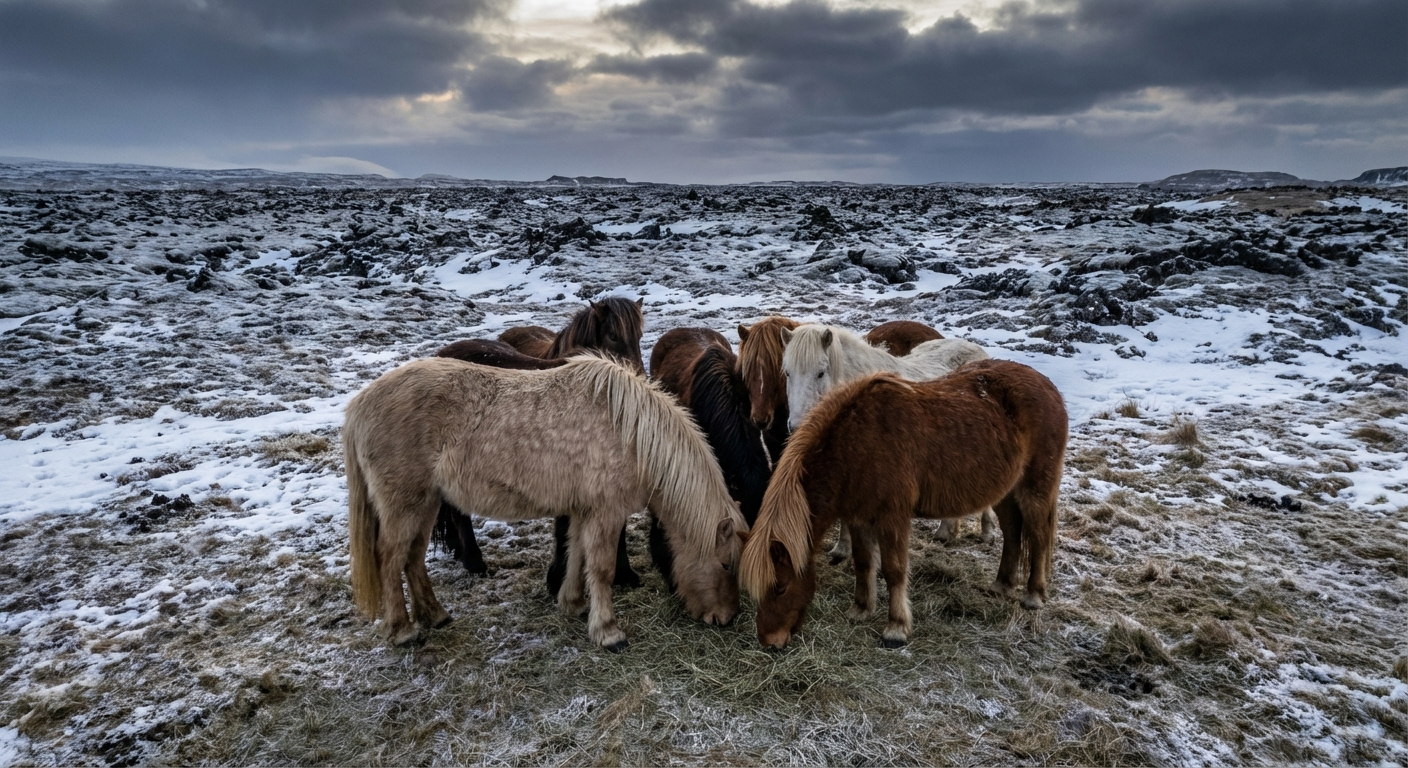
More foundational constants: near-continuous access to forage as the default, space to move as a daily necessity, and authentic social existence where relationships—not assigned roles—determine who defers, who leads, who finds peace.
Sometimes the most powerful intervention is to cease treating intervention itself as a way of life, and allow neutral nature to accomplish what it has always done: create a life that sustains itself without our hands perpetually holding it aloft. Perhaps the deepest care we can offer—to horses, to others, to ourselves—is the wisdom to step back and trust what was never broken to begin with.
Equine Notion
https://equinenotion.com/