When the Food Doesn’t End, the Herd Stops Counting Mouthfuls
When the Food Doesn't End, the Herd Stops Counting Mouthfuls
What first caught my attention wasn't flattened ears or overt aggression. It was the way every member of the herd seemed to monitor an invisible timepiece we had unwittingly constructed for them.
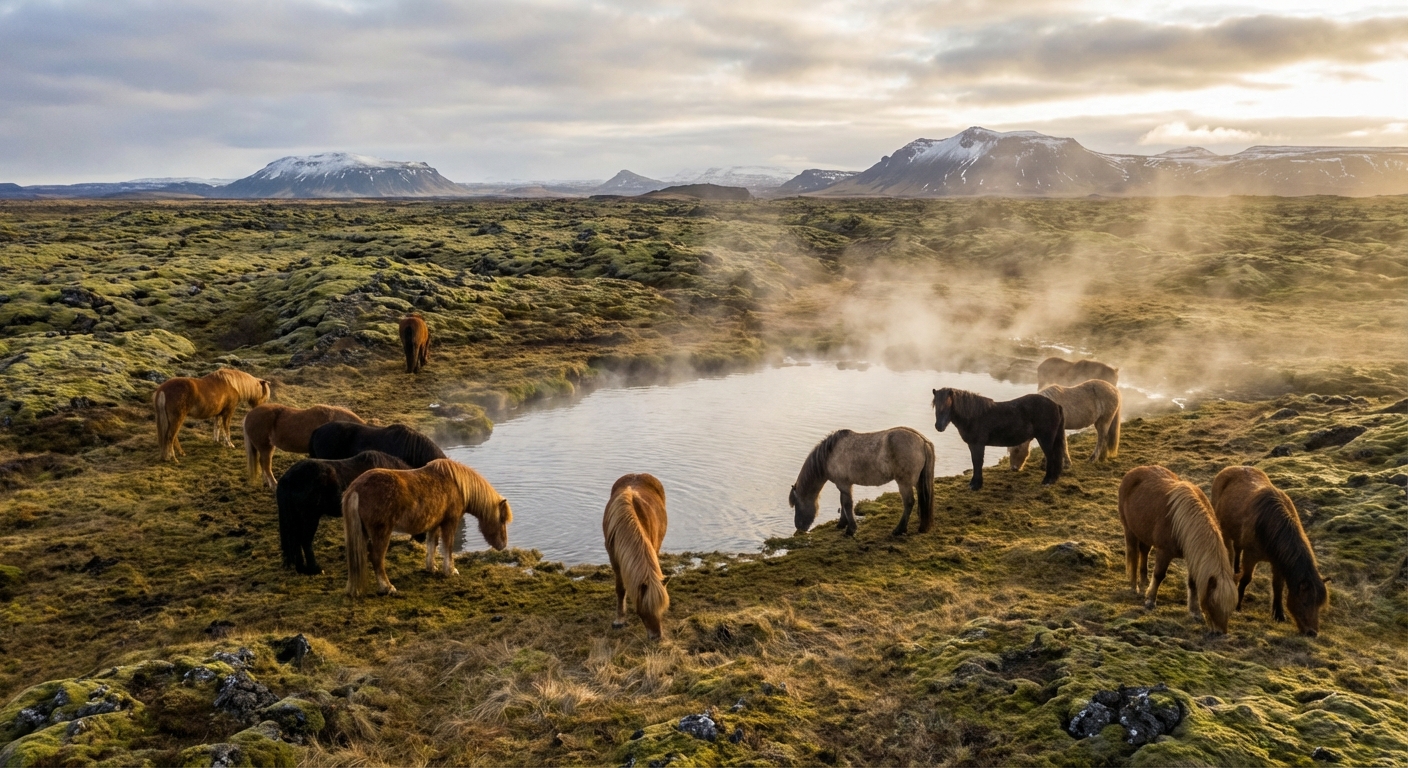
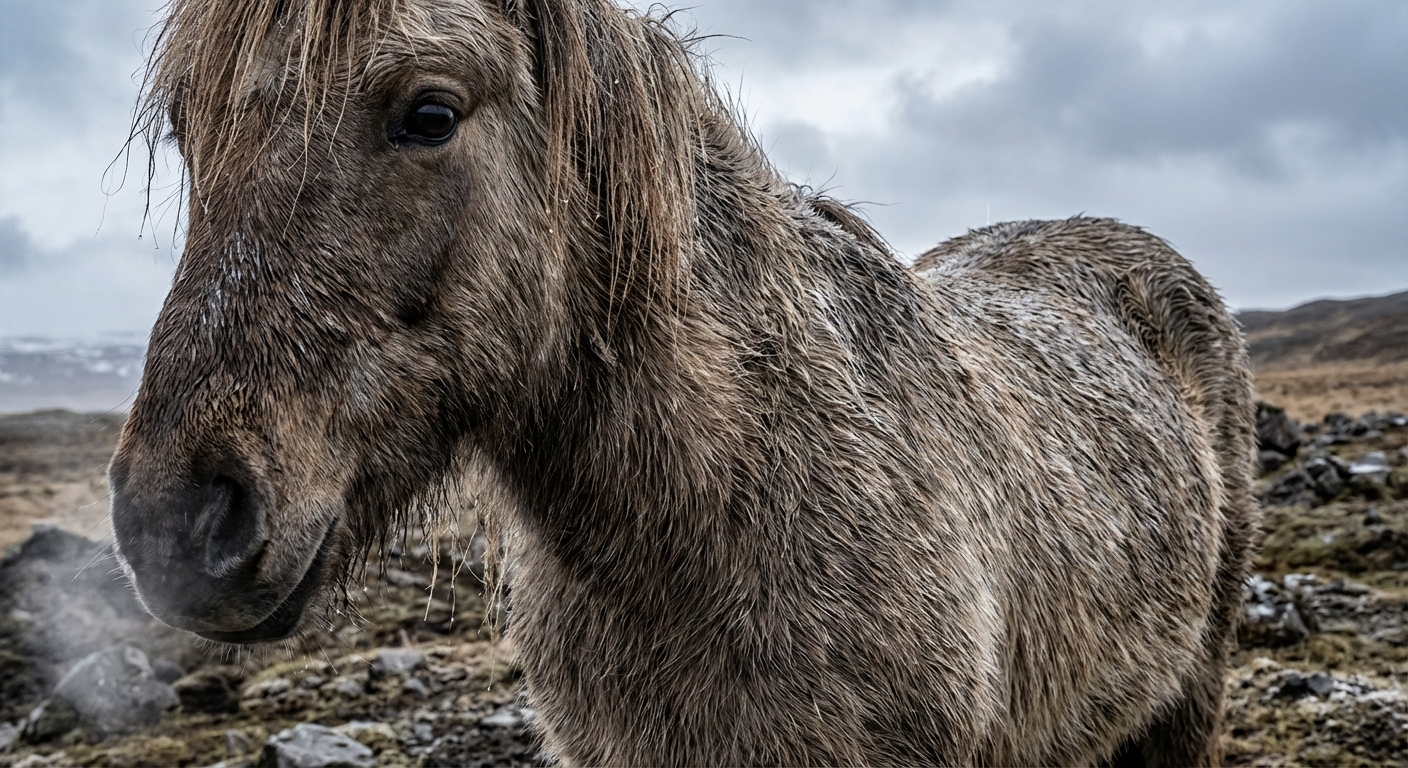
When hay appears as a discrete occasion, time itself transforms into something to be hoarded. The horses don't merely consume—each individual simultaneously calculates the rate at which the supply diminishes, notes who stands closest, anticipates who might wander nearer, and registers who has already claimed the superior position. Even in the absence of any aggressive moves, there exists a perpetual reshuffling, a quiet mental ledger being kept. A horse that would ordinarily graze with loose, meandering focus becomes meticulous. Not panicked—simply exacting. We humans know this arithmetic intimately: when any resource feels scarce, we too begin measuring portions, watching others, and calculating our share before we've even begun.
That morning I remained motionless and observed how the concept of "limited" rippled through the group. One horse departed after only a handful of bites, then circled back with suspicious haste, as though uncertain the opening would remain. Another held back until the rest had dropped their heads to eat, then eased in alongside them with a rigid neck—a gesture that fell somewhere between warning and petition. The entire herd appeared industrious despite their stillness. How often do we, too, perform this invisible labor—managing, positioning, calculating—even when we appear to be at rest?
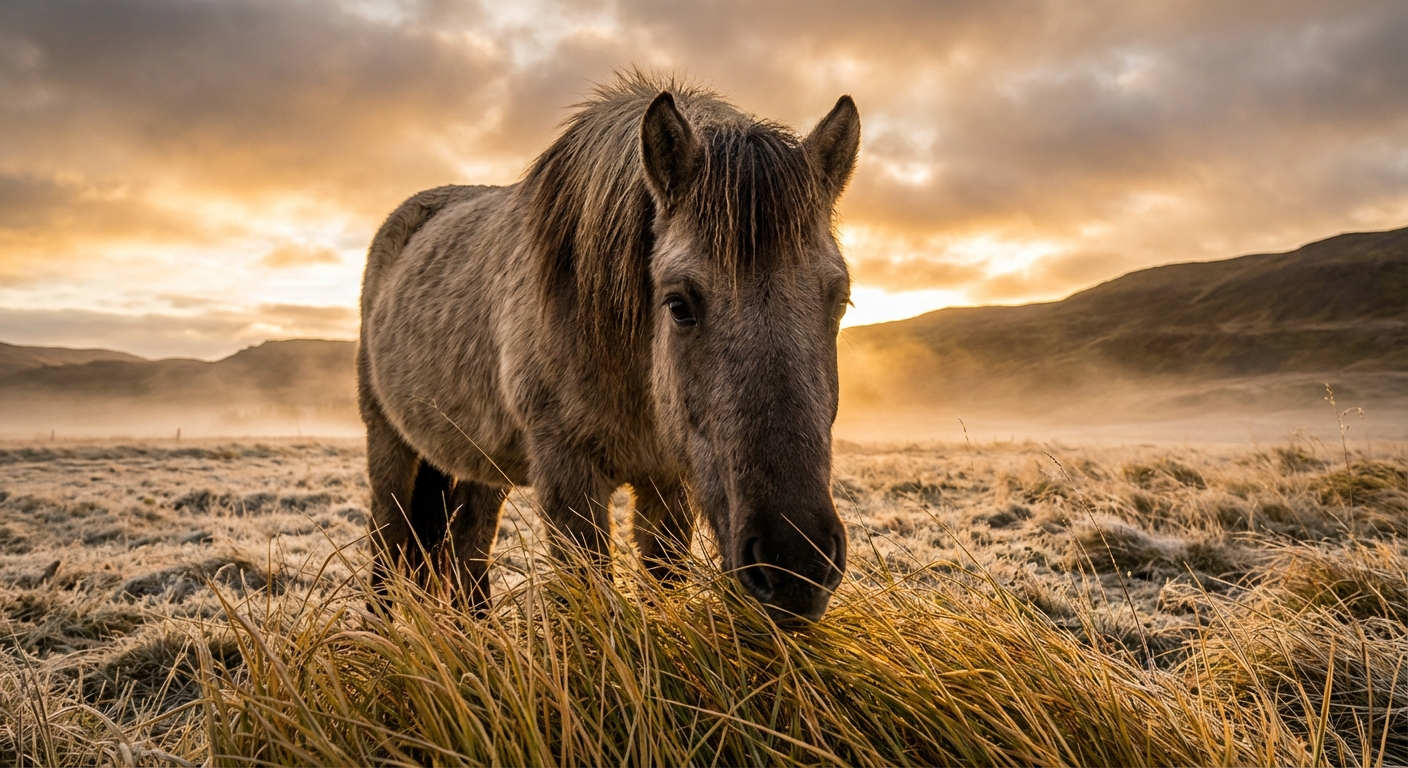
As the day unfolded, everything shifted once eating lost its urgent boundary. Unlimited access did not breed indolence. Instead, it diminished the need for constant oversight. Given ample time to chew and meander between bites, they ceased treating each passing moment as a potential deficit. A horse could wander off for water and return without the act feeling like capitulation. A horse of lower standing no longer had to weigh whether approaching was worth the risk, because the food was no longer vanishing in quite the same manner. There is a lesson here for our own lives: when we trust that enough will remain, we stop guarding and start simply living.
The atmosphere among them transformed. Acts of yielding became gentler and less fraught: a single step aside, a brief hesitation, then a quiet return. Choices were no longer broadcast through body language; they were simply enacted and adjusted as needed. The prolonged opportunity to eat did not dissolve the hierarchies, but it reduced how frequently those bonds required examination. Perhaps our own relationships, too, would soften if we weren't perpetually testing them against the pressures of scarcity.
This also prompted me to consider the unseen clock ticking within each horse. When feeding ceases, the body carries on regardless. If the natural state involves nearly continuous grazing, then extended interruptions are not benign pauses—they are accumulating tensions. And as that tension mounts, the herd must contend with more than simple hunger. They must manage discomfort, a sense of urgency, and the unsettling awareness that sustenance arrives at another's discretion. We might recognize this feeling in ourselves: the quiet stress of depending on systems and schedules beyond our control, the way our bodies keep their own time even when circumstance demands we wait.
Living together peacefully, in this context, was never about devising a superior method of distribution. It was about relinquishing the position of rationing authority and embracing a more fundamental commitment: nourishment remains accessible, so no one must bargain for every morsel. In our human communities, too, the deepest form of care may not be better management—but the quiet assurance that there will always be enough.
Equine Notion
https://equinenotion.com/