When the Hoof Can’t Negotiate: What a Horseshoe Quietly Switches Off

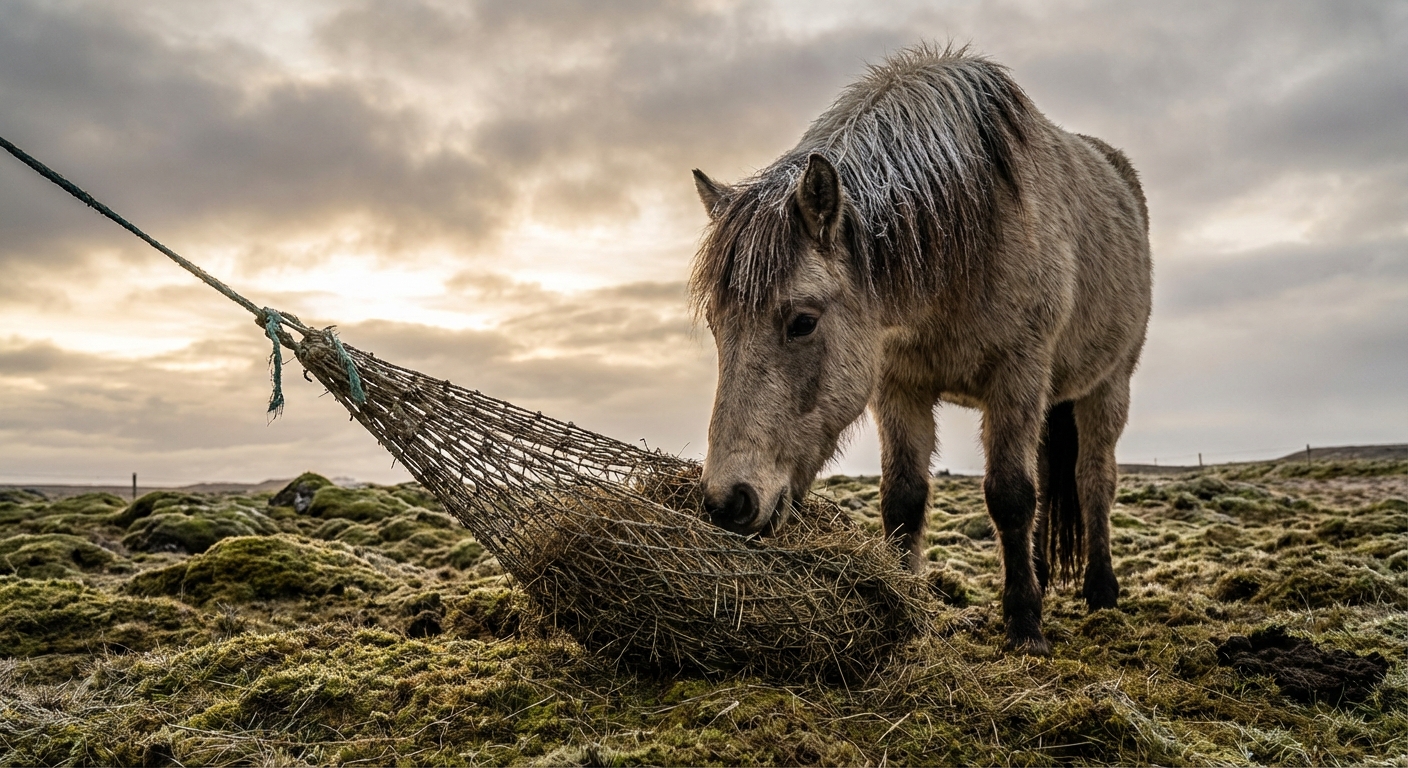
When the Hoof Can't Negotiate: What a Horseshoe Quietly Switches Off
Once, I believed the horseshoe represented a straightforward bargain: a protective barrier inserted between hoof and earth, security granted, matter resolved. Yet the more time I spend observing horses dwelling in open pastures—truly inhabiting their days at their own rhythm, covering their own distances—the more I recognize a subtler exchange taking place. This isn't merely a question of "hoof against rock." It is capability traded for ease. It is an entire self-regulating system forced to operate while fundamentally constrained.
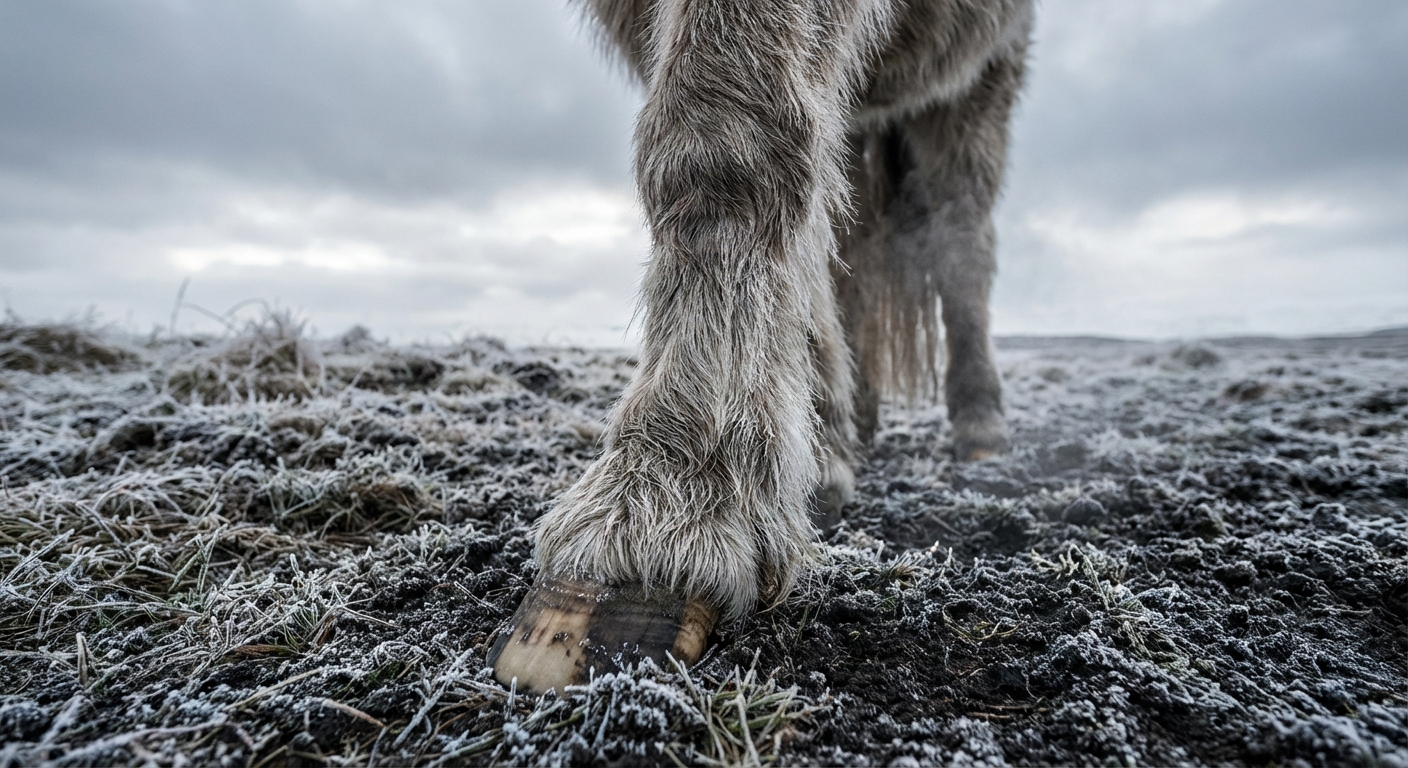
The hoof is not an inert structure requiring defense. It is a living boundary designed for dialogue. Each day, it interprets the ground beneath it, responds through wear and adjustment, and continuously recalibrates as the horse travels. That foundational pattern of movement—those unremarkable, essential miles the horse was designed to traverse—does not simply "deplete" the hoof. It is integral to how the hoof maintains its own integrity. Remove the complete exchange with the terrain, and you alter more than what contacts the soil. You alter what the hoof is permitted to understand from that contact. We might ask ourselves how often we, too, have been shielded from discomfort in ways that quietly diminished our capacity to navigate it.
Here the paradox of protection reveals itself most tangibly. When we guard one surface, we frequently undermine the very system that evolved to manage that surface. A shoe can silence the daily conversation of feedback: what registers as sharp, what clings, what calls for a shortened stride, what suggests an alternate path, what requests fewer miles today and more tomorrow. The horse continues to move, to choose, to attempt self-governance—yet the hoof's capacity to fully participate in those decisions becomes diminished. How often do our own protective measures, well-intentioned as they are, quietly erode the very resilience they claim to preserve?
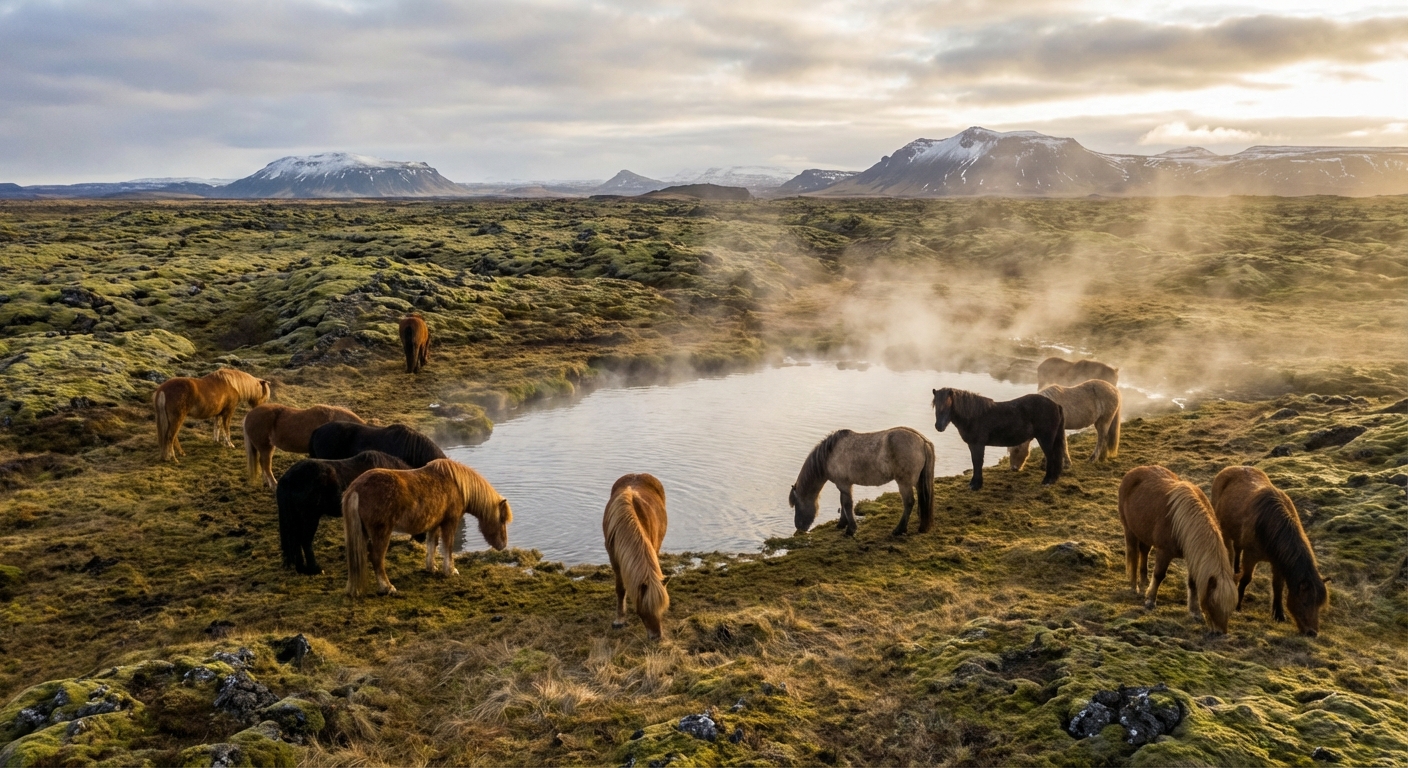
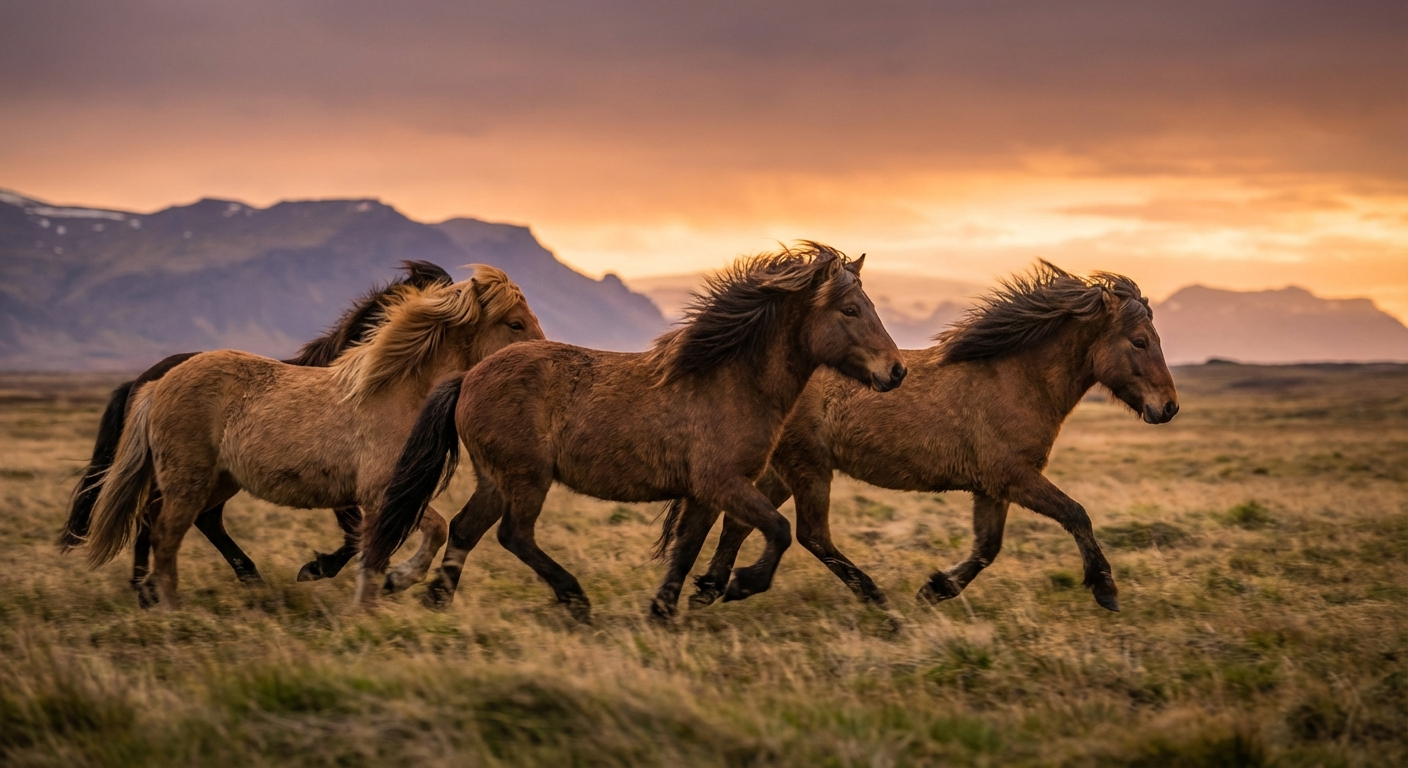
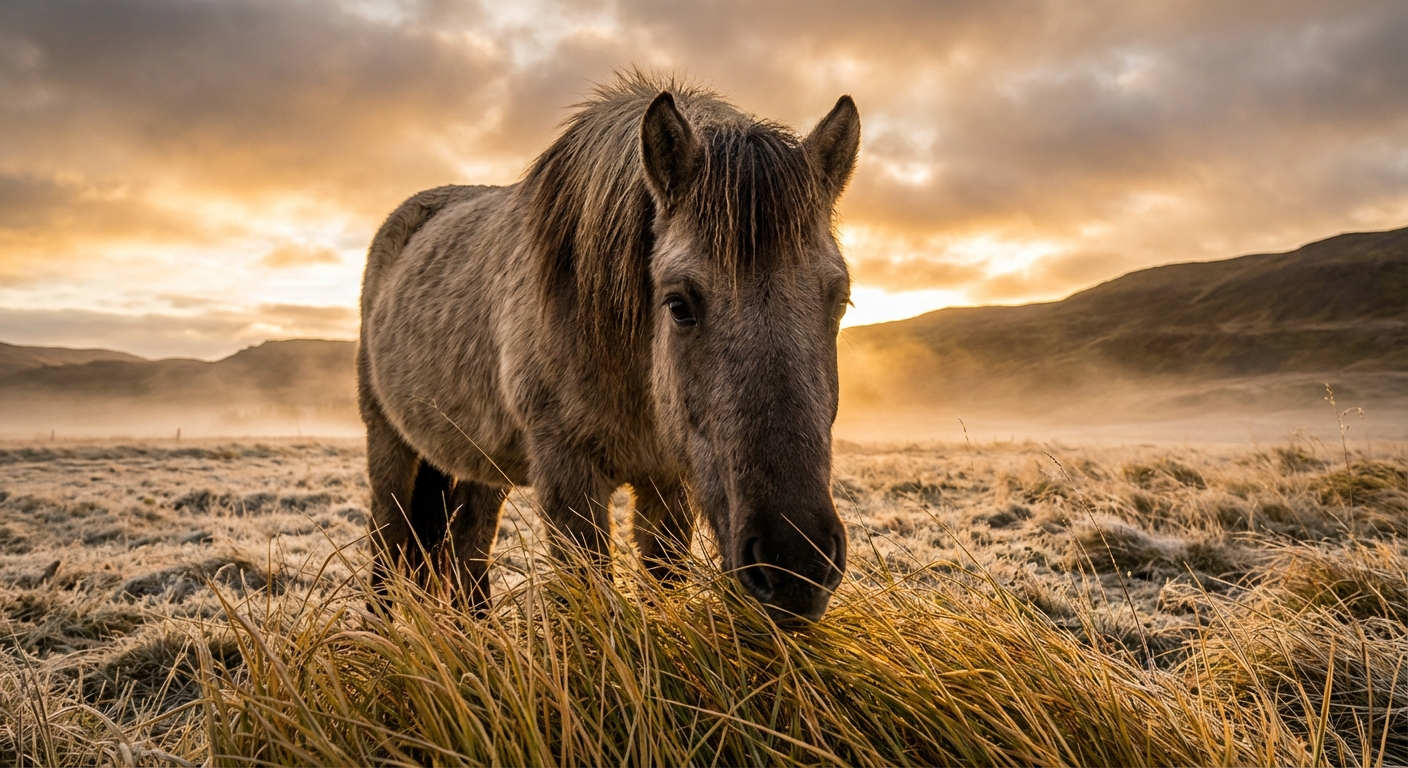
When we remove the rider from this equation, the inquiry sharpens. If the horse's sole purpose is simply to exist as a horse—grazing throughout the day, maintaining digestive balance through continuous forage, moving alongside the herd, wandering, resting, journeying onward—then the hoof ceases to be a "performance component." It becomes essential to the architecture of wellbeing. Natural hoof management and barefoot conditioning begin to appear less like a stylistic preference or passing movement and more like a reclamation of autonomy: permitting the foot to fulfill its evolutionary purpose beneath a creature designed for perpetual motion. Perhaps what we call "care" deserves regular examination—whether it truly serves the one we care for, or merely soothes our own uncertainty.
I find myself returning to this question: what shifts in a horse's entire experience of comfort when the hoof is once again permitted to converse with the world, rather than being ferried across its surface?
Equine Notion
https://equinenotion.com/