Where the Dust Settles: Coexisting With a Horse’s Skin Relief While Keeping Air in Mind

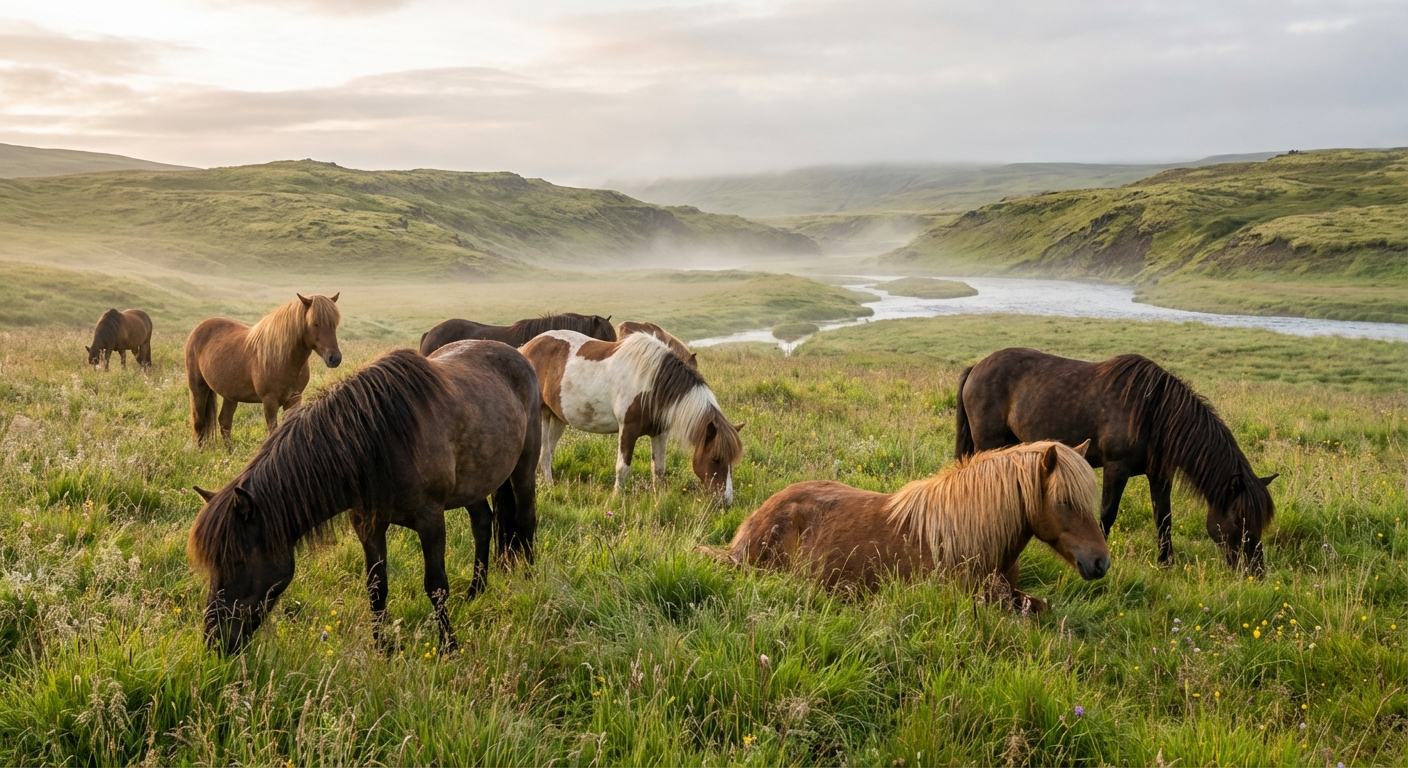
Hook
A horse lowers its shoulder and sinks into the earth as though this moment had been anticipated since morning. Dust rises, suspends itself briefly, then wanders away. The roll appears to be pure release—uncomplicated, intentional, whole. Yet there is another dimension to this scene: the air you must also breathe, the same air the horse will draw into its lungs long after the last particles have come to rest.
Coexistence can dwell precisely within that friction. There is no need to halt what the horse is doing. Nor is there reason to pretend that every choice arrives without consequence. So it is with many of our own decisions—we live among competing goods, and wisdom lies not in eliminating the tension but in holding it honestly.
1) Dust as a choice the horse keeps returning to
When a horse continually gravitates toward a specific patch of earth, it is worth receiving that as meaningful communication rather than defiance or a quirk requiring correction. A dusty spot can become a deliberately chosen sanctuary—sought with a consistency that implies it provides something the horse genuinely desires.
From the standpoint of coexistence, the goal is not to decode the roll into one tidy explanation. The goal is to observe the rhythm: where it occurs, how frequently, and what shifts when the horse gains access to varied terrain. We might ask ourselves the same question about our own recurring patterns—what need is being quietly met by the places and habits we return to again and again?
2) The tradeoff we can't ignore: comfort on the skin, load in the air
Rolling on parched ground can appear as instant, bodily solace, while the plume that follows can resemble a minor tempest. Both perceptions can hold truth simultaneously.
This is the juncture where people tend to hurry—either prohibiting the dust to safeguard the air, or idealizing it to preserve the instinctive act. Coexistence calls for a third path: allowing the horse to retain its choice while accepting accountability for what the surrounding conditions are becoming. In our own lives, we face similar crossroads—moments when protecting one value means acknowledging the cost to another, and maturity asks us to hold both without collapsing into easy answers.
3) Reading the environment instead of managing the horse
When dust becomes part of the landscape you share, the most effective point of influence is typically the landscape itself.
Observation can remain grounded and useful:
- Which zones turn to fine powder most rapidly.
- Which zones retain weight and density underfoot.
- Where the breeze carries a cloud onward and where it settles swiftly.
- What hour of day causes dust to hang longest in the air.
None of this demands controlling the horse. It is simply the practice of attending to how your space behaves and how a horse engages with what it provides. There is a quiet lesson here for human living: often the wisest intervention is not to manage another being, but to shape the conditions in which both of you move.
4) Offering options without turning it into a program
Coexistence tends to flourish when the horse encounters more than a single "yes." If only one appealing rolling site exists, the horse's choice grows constricted and foreseeable. When multiple suitable places are available—varying in texture, exposure, and footing—the horse's preference gains room to wander.
The human contribution here can be understated and architectural: sustaining a space where diversity persists, without orchestrating a remedy or attempting to dictate where the horse must go. We might reflect on how this applies to the people we live alongside—how offering genuine options, rather than scripted solutions, honors autonomy while still caring for the whole.
5) Living with the cloud: small decisions that change the day
Dust is not solely a concern for horses. It is a matter of shared atmosphere. If you spend time near the pasture, you inhabit the same air.
Sometimes coexistence manifests as selecting where you position yourself and how long you remain. Sometimes it means recognizing that a preferred dusting ground also lies near a gate, a water source, or a corridor horses naturally traverse—so the cloud touches more than just the instant of rolling.
Rather than disrupting the horse, you can modify your own rhythms and the geography of your presence. You can also notice whether the horse seeks dust most intensely when the ground reaches its driest state, which may shape how you conceive of the space as a whole. In this way, coexistence becomes a practice of self-awareness as much as environmental awareness—adjusting ourselves before demanding change from others.
6) Letting the question remain open
With dust bathing, there is a temptation to insist on a final ruling: beneficial for the skin, harmful for respiration—so which verdict prevails?
Coexistence does not always deliver a singular resolution. It invites you to hold both truths in your field of vision at once, and to keep circling back to what you can genuinely witness: where the horse elects to roll, how the air responds afterward, and what transforms when the surroundings transform.
In that sustained attentiveness, you are neither erasing the horse's agency nor forsaking your responsibility for the shared conditions of this place. Perhaps the deepest wisdom lies here: that living well with others—human or animal—means remaining present to unresolved questions rather than forcing premature closure.
Equine Notion
https://equinenotion.com/