Where the Snow Refuses to Melt: Reading Insulation Without Interfering

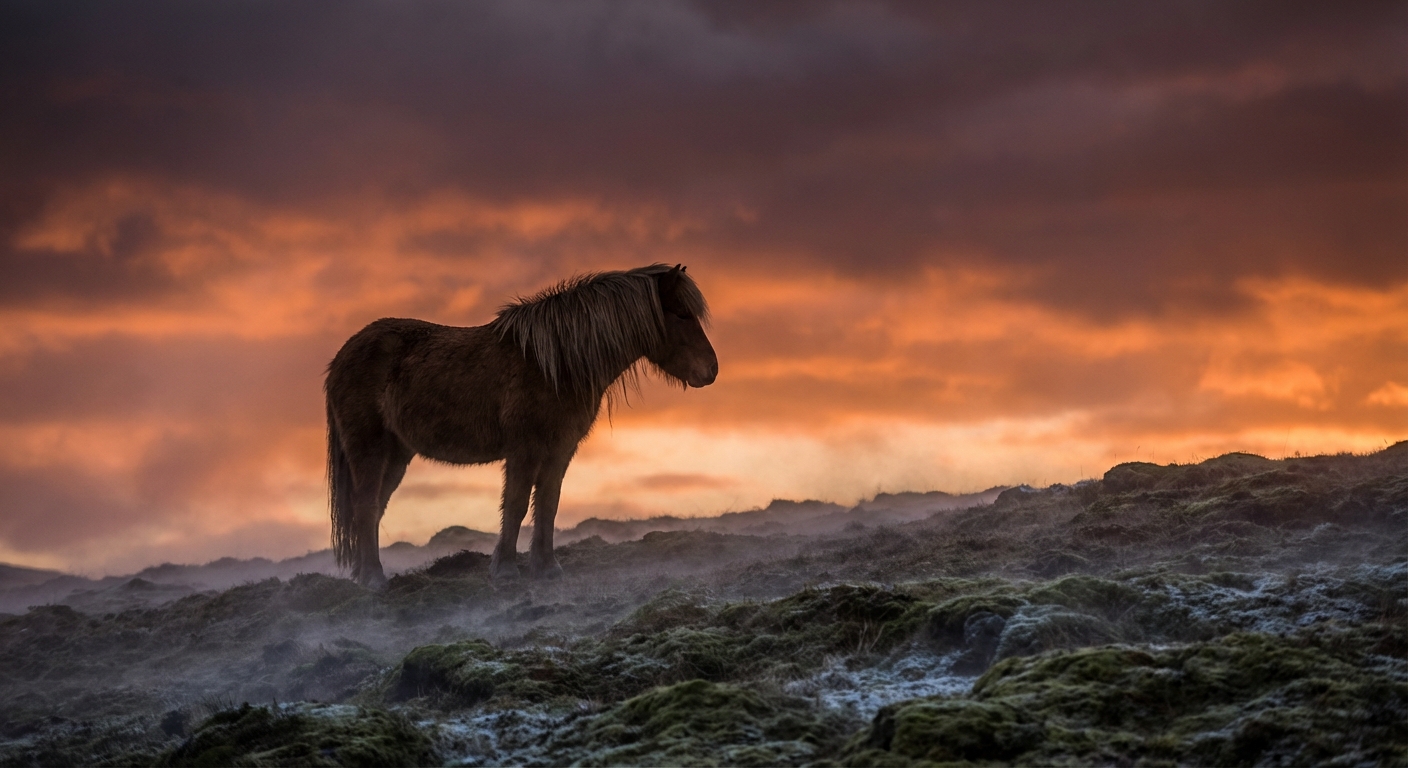
Where the Snow Refuses to Melt: Reading Insulation Without Interfering
What if winter is not something we attempt to control, but rather a fleeting interval when the earth becomes readable?
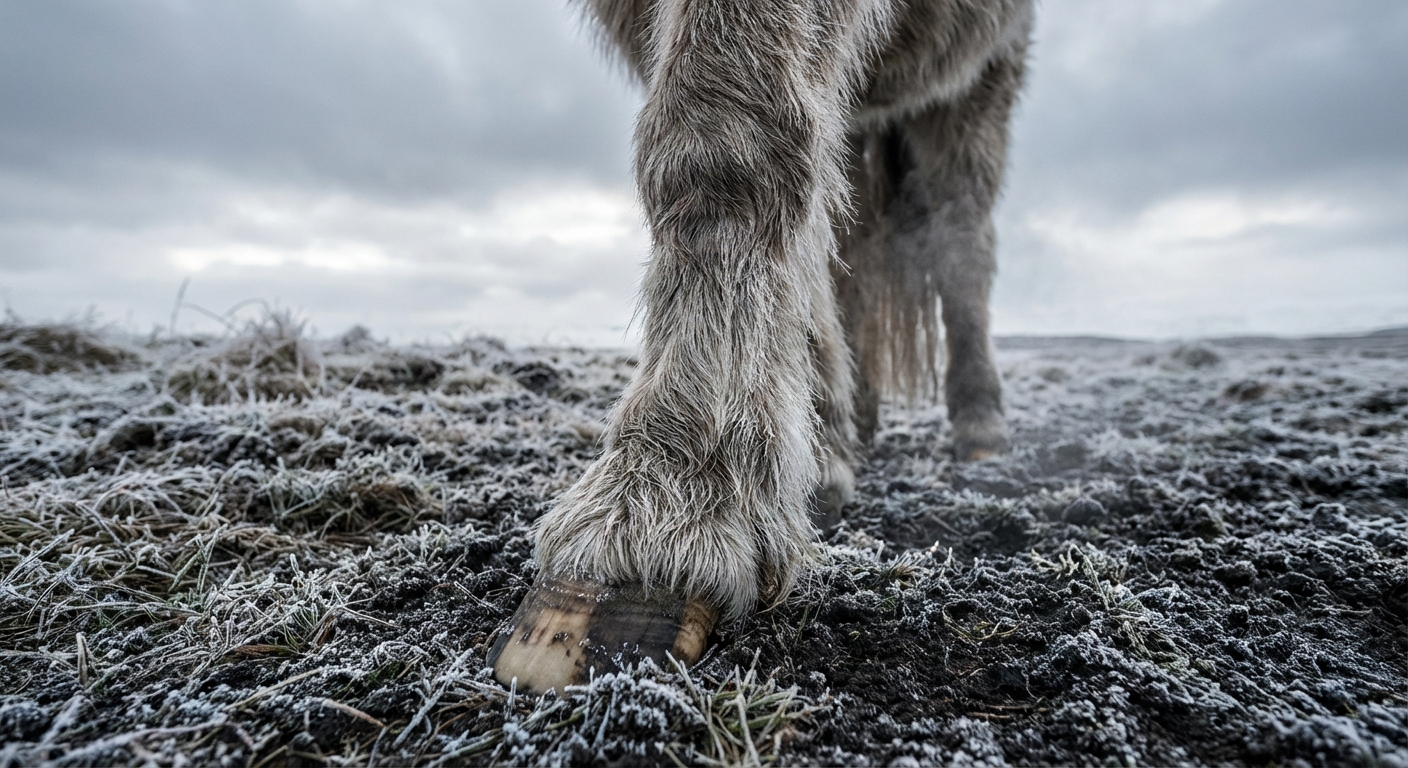
Following a snowfall, I often step outside anticipating a blank canvas of white. What greets me instead is a narrative. Certain areas surrender their covering swiftly—turning dark, damp, or exposed—while others hold their frozen blanket with quiet persistence, like bedding that resists being disturbed. My instinct is to interpret these variations as a checklist of problems: repair this soggy section, supplement that bare spot, redirect something elsewhere. Yet the more time I spend alongside horses, the more I discipline myself to let the initial observation remain simply that—observation. In our own lives, we might consider how often we mistake noticing for an obligation to act, when sometimes the wisest response is patient attention.
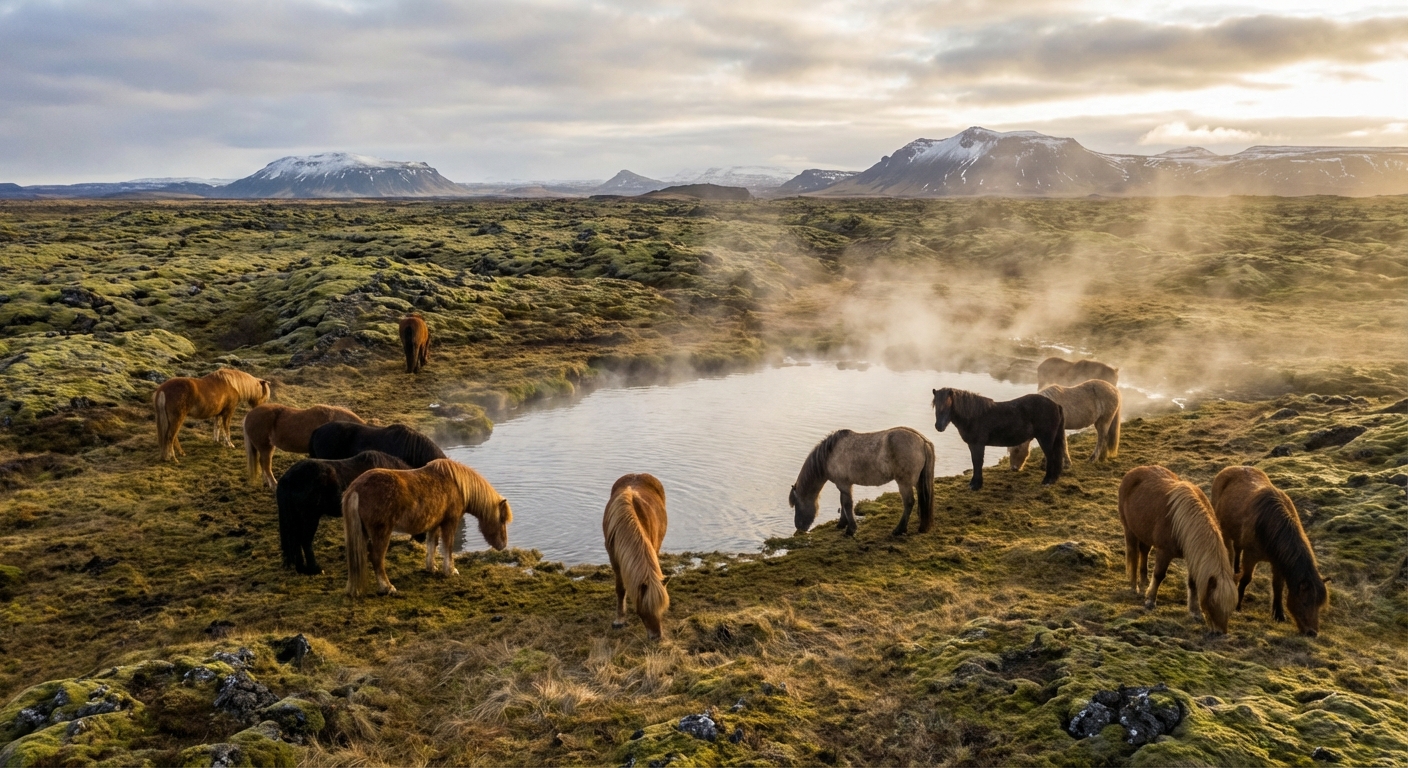
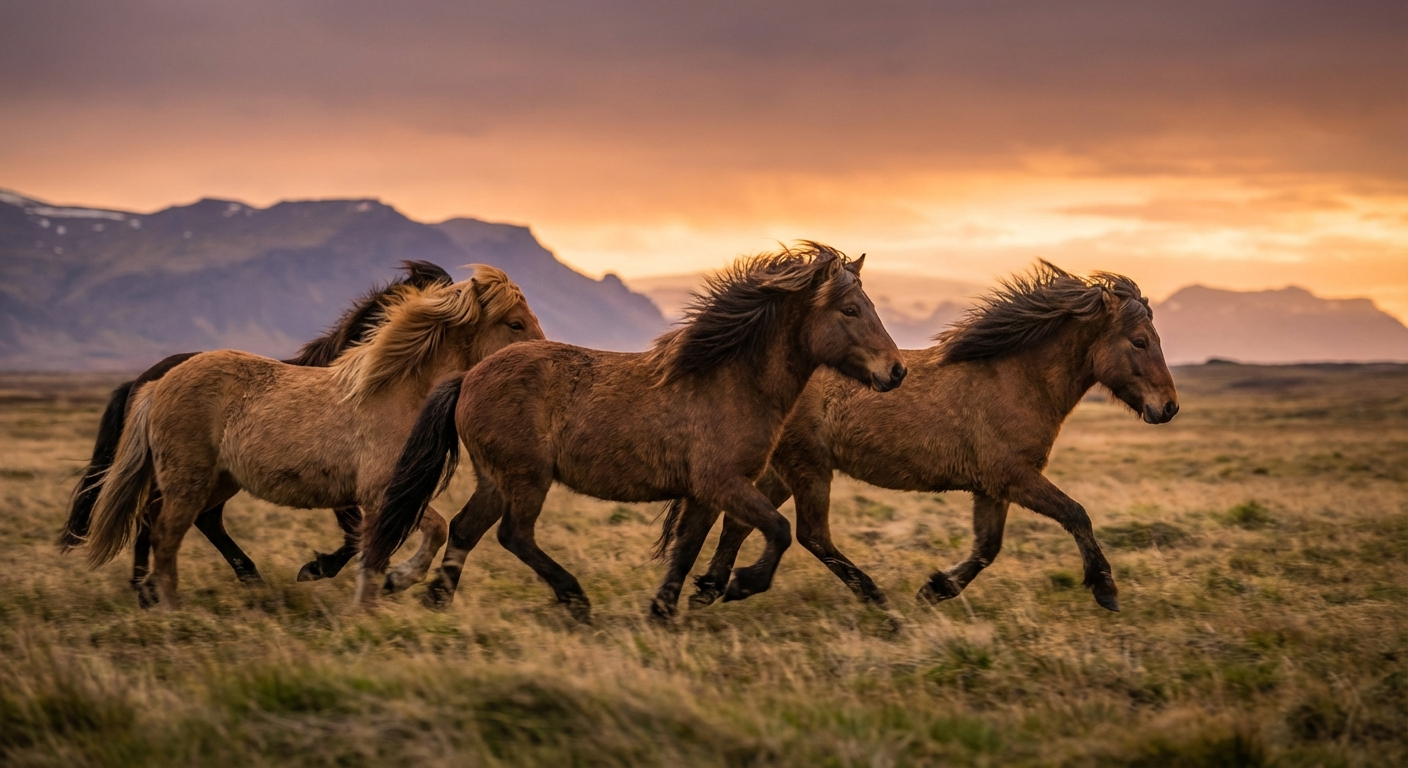
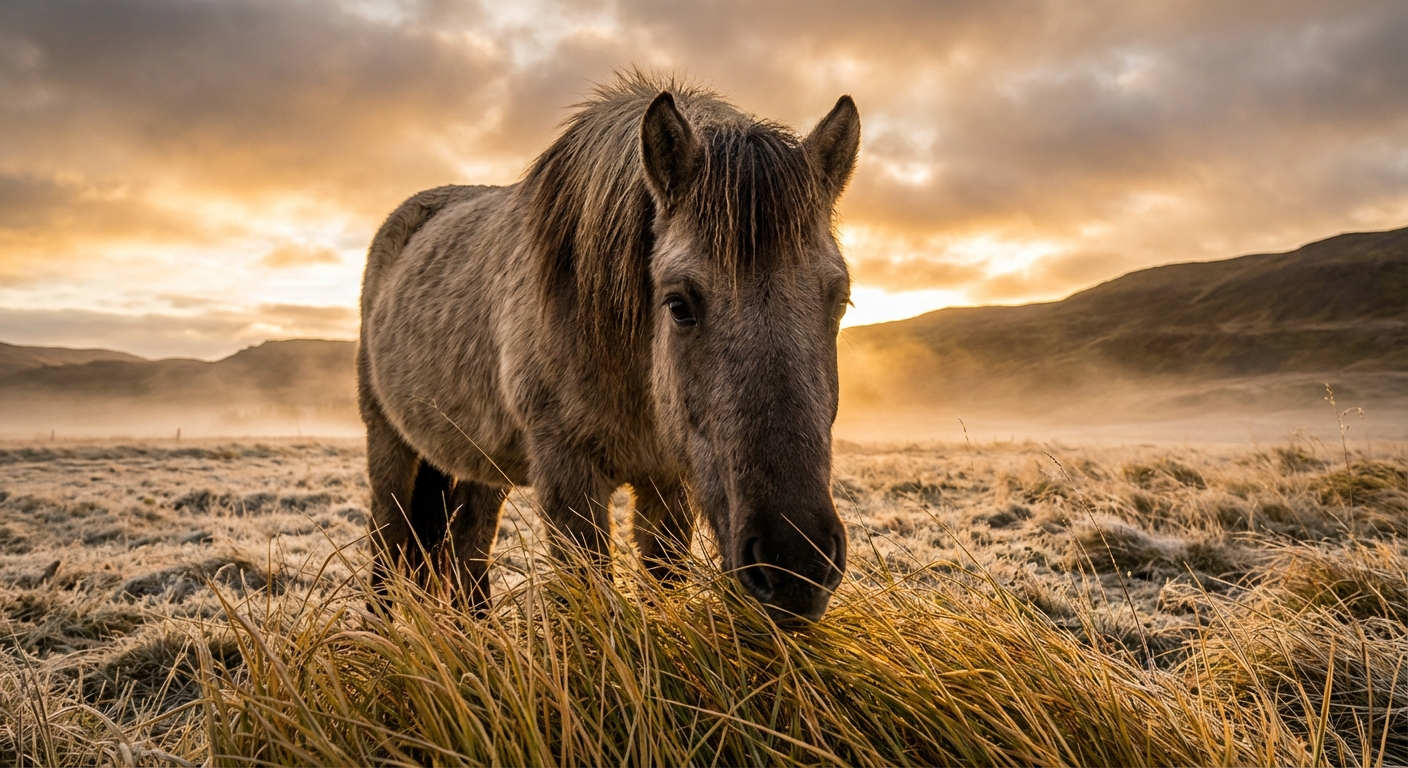
That persistence of snow can appear as insulation, but it equally serves as testimony to how the ground has been treated across time. The white covering reveals where vegetation shields the soil and where repeated traffic has left it vulnerable. It traces the corridors the herd naturally chooses when granted freedom of movement, and it exposes where they linger without any instruction to do so. Viewed this way, snowfall becomes a fleeting assessment of our arrangement: whether we have cultivated an existence where locomotion remains unobstructed, where grazing continues without interruption, and where the horses need not endure prolonged, famished intervals that transform their days into mere anticipation. Perhaps we too might ask ourselves what temporary revelations—moments of clarity or disruption—expose about whether our own lives allow for natural rhythm or force us into patterns of waiting.
This also illuminates what might be called the guardian's paradox. When I hasten to shield the land from every indication of habitation, I risk shielding the horses from the very resistances that preserve their physical resilience. Undisturbed nature is not a cushioned, sanitized environment; it is a landscape capable of communication. The cold season communicates through juxtaposition: yielding ground against compacted paths, sheltered surfaces against stripped ones, tranquil zones against worn circuits of anxious movement that may reveal pressures I myself have imposed. We humans face a similar tension—our efforts to eliminate all friction from life can inadvertently strip away the very challenges that keep us strong and responsive.
Snow resolves nothing on my behalf. Yet it extends a rare form of candor—one that dissolves the moment sunlight and hoofprints reshape the terrain. If I allow those persistent white patches to serve as communication rather than crisis, what wisdom might the land share about what the horses are already sustaining through their own instincts? The same question echoes in our human experience: what might we learn if we treated the evidence of our lives as information rather than alarm?
Equine Notion
https://equinenotion.com/